



Every dog food format has genuine trade-offs, and honest owners deserve the trade-offs, not a declared winner. Dry kibble, wet canned food, fresh (gently cooked) food, and raw diets all get marketed as "the best" way to feed a dog, but each was built around different priorities, shelf stability, palatability, digestibility, or a return to less-processed ingredients, and none of them wins on every axis at once. Here's what each format actually offers, where the trade-offs are, and where raw feeding specifically needs a clearer-eyed look than most sales pages give it.
Dry Food (Kibble), The Practical Default
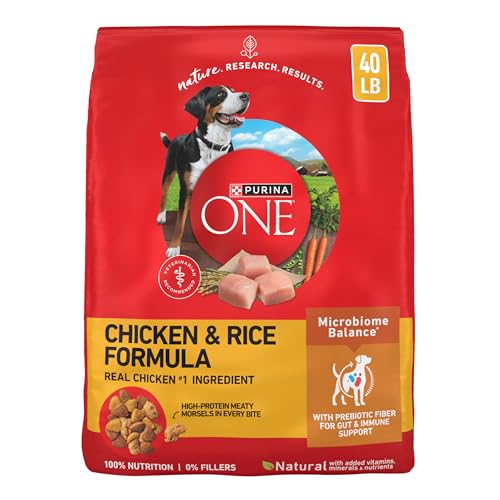
Kibble dominates the market for reasons that have little to do with being nutritionally superior: it's shelf-stable at room temperature for months, cheap to produce and ship, easy to portion, and it doesn't spoil quickly once a bag is opened. For most healthy adult dogs, a complete-and-balanced kibble formulated to AAFCO standards meets nutritional needs without much fuss.
The trade-offs are real, though. Kibble runs roughly 8-12% moisture, so dogs eating only dry food get essentially none of their water from meals, they need to drink proportionally more. The extrusion process (high heat and pressure) that makes kibble shelf-stable also degrades some heat-sensitive nutrients, which manufacturers compensate for by adding synthetic vitamins back in after cooking. And kibble is generally the least palatable format for dogs with a poor appetite, picky dogs, or dogs recovering from illness.
Wet (Canned) Food, Hydration and Palatability
Canned food runs 75-85% moisture, which meaningfully helps dogs who don't drink enough water on their own, and it's typically more palatable, useful for picky eaters, senior dogs with dental discomfort, or dogs who need to eat more to maintain weight. Canning is also a form of heat processing, but the sealed, oxygen-free environment usually means fewer preservatives are needed.
The downsides: it's more expensive per calorie than kibble, spoils quickly once opened (typically within a few days refrigerated), and doesn't offer the mild dental-abrasion kibble is sometimes credited with (more on that myth below). It's also messier and less convenient for travel or free-feeding setups.
Fresh (Gently Cooked) Food, The Middle Ground
Fresh food, cooked at lower temperatures than kibble extrusion, usually delivered refrigerated or frozen, sits between kibble and raw in processing intensity. Proponents point to less nutrient degradation from heat and ingredient lists that read closer to a home-cooked meal. It's a genuinely reasonable middle-ground option for owners who want less processing than kibble without taking on raw feeding's specific risks.
The catch is cost and storage: fresh food needs refrigeration or freezer space, has a shorter shelf life, and tends to be one of the most expensive per-calorie options outside of home-prepared raw. As with any format, "fresh" isn't a nutritional guarantee on its own, check that the product still carries a complete-and-balanced AAFCO statement for your dog's life stage.
Raw Diets, The Appeal and the Real Risks
Raw feeding (commercial or home-prepared) has genuine appeal: no heat processing, ingredient lists that are often shorter and more recognizable, and many owners report improvements in coat condition, energy, or stool quality. Those reported benefits are worth acknowledging honestly rather than dismissing outright, plenty of dogs do well on properly balanced raw diets.
But raw feeding carries two well-documented risks that deserve equal weight, not an afterthought:
Bacterial contamination. Raw meat can carry Salmonella, Listeria, and E. coli. This is a risk to the dog, but also to people in the household, through handling, shared food bowls, or a dog's saliva after eating. The FDA and AVMA have both published cautions about raw diets specifically because of this, particularly for households with young children, elderly members, or anyone immunocompromised.
Nutritional imbalance. A raw diet that isn't formulated to complete-and-balanced standards, commercial or home-prepared, can be seriously deficient in calcium, phosphorus, or other nutrients, especially over months of feeding, where small deficiencies compound. This is the same complete-and-balanced concern that applies to any homemade diet, raw or cooked, that hasn't been professionally formulated.
None of this makes raw feeding reckless by definition. Commercial raw products carrying an AAFCO complete-and-balanced statement, and using pathogen-reduction steps like high-pressure processing (HPP), address a meaningful share of the risk. Home-prepared raw diets, by contrast, should be formulated with a veterinary nutritionist rather than assembled from a recipe found online, the margin for error on calcium-to-phosphorus ratios and micronutrient balance is smaller than most home recipes account for. If you're considering raw feeding, it's worth discussing with your vet first, especially if your dog has an existing health condition.
The Dental Myth That Won't Die
Kibble is widely credited with "cleaning teeth" as it's chewed, but this is mostly marketing shorthand rather than dental fact. Most dogs crunch kibble into fragments rather than chewing it thoroughly enough to produce meaningful mechanical cleaning, and kibble still leaves starch residue that contributes to plaque. Dental health is driven far more by daily brushing, dental-specific chews or diets tested for plaque reduction, and regular vet dental checks than by the format of a dog's regular meals. Don't choose a food format based on dental benefits alone.
Cost, Convenience, and Making the Call
Cost per calorie generally runs kibble < canned < fresh < raw, though this varies widely by brand and region. Convenience runs in the same direction, reversed: kibble travels and stores easiest, while raw and fresh need the most planning around refrigeration and portioning.
There's no universally "best" format, a healthy adult dog can thrive on a well-formulated version of any of these. What matters most, regardless of format, is that whatever you're feeding carries an AAFCO complete-and-balanced statement appropriate to your dog's life stage (or has been formulated by a veterinary nutritionist if home-prepared), and that any major diet change, especially a switch to raw feeding, or a change prompted by a health condition, is something you discuss with your vet first, both for the format itself and for how to transition gradually.