
Dental Brushing & Hygiene for Dogs
Comprehensive technical analysis of material density, anatomical weight distribution, Indentation Load Deflection (ILD) thresholds, and veterinary standards for dental brushing & hygiene.


Recommended Products
See the full ranking →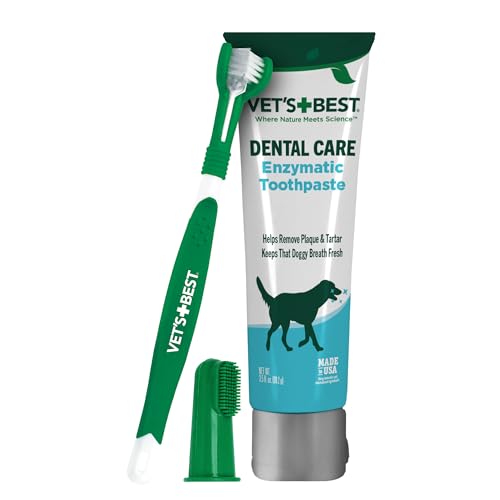

Dental disease is one of the most common health problems vets see in dogs, and most of it is preventable. By around three years of age, a large share of dogs already show signs of periodontal disease, the progressive inflammation and infection of the tissues that hold teeth in place. It starts quietly: a soft film of plaque builds up along the gumline within hours of eating, hardens into tartar within a couple of days, and eventually drives the gums to recede, the roots to weaken, and the teeth to loosen. Advanced periodontal disease is painful, and the bacteria involved don't stay politely in the mouth.
The single most effective thing you can do at home to slow this down is mechanical: physically removing plaque with a brush before it hardens. Dental chews, water additives and dental diets all have a place, but none of them match a brush and dog-safe toothpaste for actually disrupting plaque along the gumline. Daily brushing is the gold standard that veterinary dentists point to. That said, be clear-eyed about what home care can and cannot do: brushing slows the build-up, but it does not replace a professional veterinary dental cleaning. Once tartar has hardened below the gumline, only a vet can safely remove it, usually under anaesthesia.
This matters more than any product choice on this page, so it comes first. Never brush your dog's teeth with human toothpaste. Human toothpaste commonly contains fluoride, which is toxic to dogs if swallowed in enough quantity, and many "sugar-free" human pastes contain xylitol, which is dangerously toxic to dogs even in small amounts and can cause a rapid, life-threatening drop in blood sugar. Dogs cannot rinse and spit; they swallow whatever you put in their mouth. Always use a toothpaste made specifically for dogs.
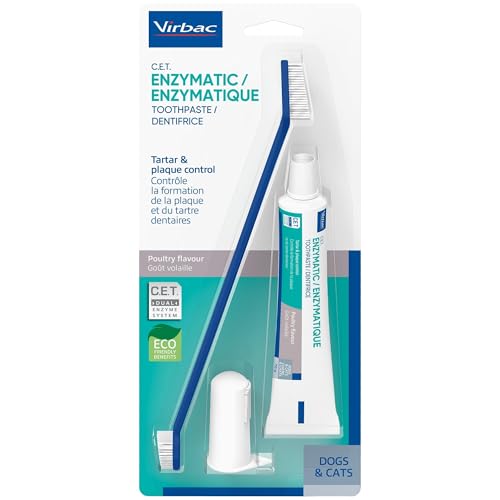
Dog toothpastes are built for swallowing. The best of them are enzymatic, they contain enzymes intended to help break down plaque chemically as you brush mechanically, and they come in flavours dogs like (poultry, beef, malt) so the whole thing feels more like a treat than a chore. Every toothpaste we recommend on this page is a dog-specific enzymatic formula.
There is no single best brush, only the best brush for your dog's mouth and temperament.
Dual-ended handled brushes are the workhorse. A large head handles the big back molars where tartar loves to collect, and a smaller head reaches the front teeth. The long handle keeps your fingers away from the back of the mouth. This is what most all-in-one kits include, and it is the right default for medium and large dogs.
Finger brushes slip over your fingertip like a thimble. They give you fine, gentle control and feel far less threatening to a nervous or first-time dog, which makes them excellent for the introduction phase. The trade-off is real: your finger ends up near the back teeth, so a finger brush is a poor choice for any dog that might bite, even accidentally. They are also gentler, so they shift stubborn tartar less aggressively than a firm handled brush.
Small-head soft-bristle brushes exist because toy and small breeds have tight mouths and delicate gums that a full-size adult brush simply cannot fit or treat gently. If you have been struggling to fit a standard brush around a Chihuahua or a Yorkie's back teeth, a smaller head is the fix.
Whatever the style, look for soft bristles. Dog gums are thin, and hard bristles cause more harm than the plaque you are removing.
The Veterinary Oral Health Council (VOHC) awards a Seal of Acceptance to dental products that have met a standard for reducing plaque or tartar in controlled trials. The seal appears mostly on chews, treats, diets and some pastes and gels. It is not a guarantee and it does not cover every good product, plenty of effective brushes will never carry it because a brush's effectiveness depends on how you use it, but when you are choosing between dental chews or a paste, a VOHC-accepted product has cleared a bar that most have not. Treat the seal as a useful tie-breaker, not a substitute for brushing.
Go slowly. A dog that has never had a brush near its mouth will not tolerate a full session on day one, and forcing it teaches your dog to dread the whole routine.
Keep every session short and end on a positive note with praise or a small reward. Consistency beats duration.
Daily is the gold standard, because plaque re-forms within about 24 hours. If daily is genuinely not achievable, three times a week is a meaningful, worthwhile improvement over nothing, but aim for daily.
Home care is prevention, not treatment. See your vet if you notice persistent bad breath, red or bleeding gums, visible brown or yellow tartar, a reluctance to eat or chew, pawing at the mouth, or loose teeth. Bad breath in particular is easy to shrug off, but it is one of the earliest signs of periodontal disease and warrants a check. Only a veterinary dental exam and cleaning can address disease that has already taken hold. Think of brushing as the daily maintenance that stretches the gap between professional cleanings, not as a way to avoid them entirely.
We have not run these products through a hands-on testing lab; our picks are based on formulation, design, brand track record and the weight of verified owner reviews. For most people the right move is simple: buy a complete kit so you have a dog-safe enzymatic paste and a matching brush in one go, then adjust the brush style to your dog. A nervous dog gets a finger brush to start; a toy breed gets a small soft head; a food-motivated dog gets the flavour it likes best. The best dental product is the one you will actually use every day.
Go Deeper
Detailed companion guides for dental brushing & hygiene.
How to Brush Your Dog's Teeth, A Step-by-Step Guide for Beginners
A beginner-friendly, step-by-step walkthrough for introducing tooth brushing to a dog who has never had it done before, covering the right dog-safe…
Signs of Dental Disease in Dogs & When to See the Vet
A clear guide to spotting the warning signs of dental disease in dogs, from bad breath and tartar to bleeding gums, loose teeth, and pain signals, plus…