
Dog Grooming Guides for Brushing, Bathing, Nails and Dental Care
Canine skin pH balance, undercoat rakes vs slickers, ear cleaning, and quick-safe nail grinding. Authoritative veterinary guidelines, anatomical parameters, and sub-category master breakdown.
- 4
- Sub-Categories
- 8
- In-Depth Guides
- 24
- Products Reviewed
- May 2026
- Last Reviewed

Recommended Products


Sub-Category Micro Hubs
In-depth technical analyses, material specifications, and comparative evaluation.
Coat Brushing & De-Shedding
Detailed evaluation of anatomical parameters, safety standards, and practical recommendations for coat brushing & de-shedding.
Bathing & Skin Care
Detailed evaluation of anatomical parameters, safety standards, and practical recommendations for bathing & skin care.
Nails & Ears
Detailed evaluation of anatomical parameters, safety standards, and practical recommendations for nails & ears.
Dental Brushing & Hygiene
Detailed evaluation of anatomical parameters, safety standards, and practical recommendations for dental brushing & hygiene.
Dog grooming is the routine care that keeps a dog's coat, skin, nails, ears, and teeth healthy between vet visits. Brushing controls shedding and prevents mats. Bathing with dog-safe products protects the skin barrier. Trimming nails and cleaning ears avoids pain and infection. Brushing teeth slows the plaque and tartar buildup that leads to dental disease. None of it needs to happen at once, and none of it needs professional equipment to start. Most of what matters is frequency and using the right tool for your dog's coat and body, not a single expensive session at the groomer. This page is a map of the whole routine. Each section below links out to a full guide on that specific task: how often to do it, what tools work best, and the warning signs that mean it is time to call a vet instead of reaching for a brush.
A full grooming routine breaks into four habits. Most dogs need all four in some form, just at different intervals depending on coat type, age, and health.
Coat brushing and de-shedding is the most frequent task for most dogs, and the one owners most often get wrong by using the wrong tool. A good dog brush for shedding, usually a slicker brush, pulls out loose topcoat. An undercoat rake gets down to the dense insulating layer that double-coated breeds blow out twice a year. A simple bristle brush is often all a short, single-coated dog needs. Skipping brushing does not just mean more fur on the couch. It lets loose undercoat mat against the skin, which traps moisture and can lead to painful hot spots. The full routine, including how often to brush by coat type and how to work through an already-matted coat safely, is covered in our Coat Brushing & De-Shedding guide.
Bathing and skin care comes next, and it is the task most owners over-do. Too-frequent bathing with the wrong shampoo strips the natural oils that protect a dog's skin barrier. That can trigger the exact dryness and itching owners are trying to bathe away, and using the wrong flea shampoo for dogs makes it worse. Getting the interval and the product right matters more than the bath itself. See our Bathing & Skin Care guide for wash frequency by coat and skin type, water temperature, and how to spot a reaction before it becomes a full skin problem.
Dog nail trimming and ears are the pair owners tend to avoid, usually because a dog has had one bad clipping experience and now resists the whole process. Overgrown nails change how a dog's foot strikes the ground and can eventually affect gait and joint stress. Unchecked ears, particularly on floppy-eared or heavy-shedding breeds, are a common site for a dog ear infection or ear mites in dogs. Our Nails & Ears guide walks through trimming technique, how to avoid the quick, and what a normal ear looks and smells like versus one that needs dog ear infection treatment.
Dog dental care through brushing and hygiene is the habit most owners skip entirely, yet dental disease is one of the most common health problems seen in adult dogs. Daily brushing is the gold standard, but even a few sessions a week with the right technique makes a measurable difference. The Dental Hygiene guide covers how to introduce brushing to a dog who has never had it done, what a VOHC-accepted routine actually requires, and which visible signs point to disease under the gumline that brushing alone will not fix.
The right grooming tool is dictated by coat type, not by what is cheapest or most popular. A slicker brush that works beautifully on a Golden Retriever's feathering will do almost nothing for a Frenchie's short, dense coat. An undercoat rake dragged through a curly coat can tear the hair rather than lift loose undercoat. Match the tool to the coat first. Use pin and slicker brushes for long or feathered coats, undercoat rakes and de-shedding tools for double coats blowing their seasonal undercoat, rubber curry brushes or grooming mitts for short single coats, and wide-tooth combs or slicker brushes worked in sections for curly and wool coats prone to matting. Our best dog de-shedding brush guide compares tools directly for heavy-shedding double coats.
Shampoo and toothpaste are the two products where using a human version is an actual safety issue, not just a lesser choice. Human shampoo is formulated for human skin pH, which is more acidic than a dog's. Using it regularly disrupts the skin barrier and can worsen dryness or trigger flaking. Always reach for a shampoo formulated for dogs, and if your dog has diagnosed skin sensitivities, ask your vet about a medicated option or a gentle flea shampoo for dogs rather than guessing. Our best dog shampoo guide breaks down formulas by coat and skin need.
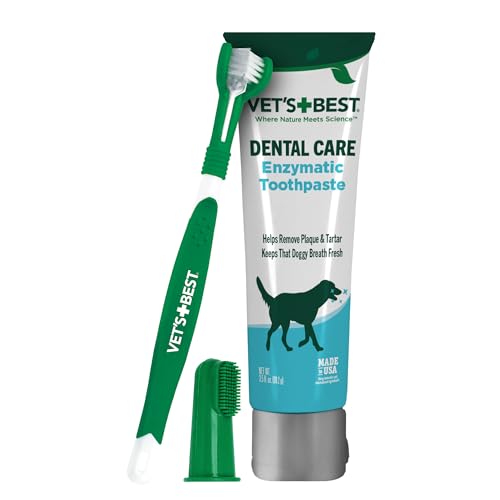
Human toothpaste is a harder line. It commonly contains fluoride and often xylitol, an artificial sweetener that is toxic to dogs even in small amounts. Only ever use a toothpaste made and labelled for dogs, ideally one carrying the Veterinary Oral Health Council (VOHC) seal as evidence it has been tested for plaque and tartar control. See our best dog toothbrush guide for brush styles that make the process easier for reluctant dogs. For nail care, a grinder tends to suit anxious dogs better than clippers, since it removes small amounts gradually and is less likely to hit the quick, compared directly in our best dog nail grinder guide.
Coat type is the single biggest factor in how a grooming routine should be structured, more than breed size or age.
Double coats (Huskies, German Shepherds, Golden Retrievers, Corgis) carry a soft insulating undercoat beneath a coarser topcoat and shed heavily in seasonal "blow-outs." These dogs need an undercoat rake or de-shedding tool worked in during shedding season. They should never be shaved. The double coat regulates body temperature in both heat and cold, and shaving it can permanently damage the coat's structure and its ability to regrow properly.
Single coats (Boxers, Dobermans, most short-haired breeds) shed year-round in smaller amounts and generally do well with a rubber curry brush or grooming mitt weekly.
Curly coats (Poodles, Bichons, Doodles) do not shed loose hair the way straight coats do. The dead hair gets trapped in the curl, which means these coats mat quickly without regular combing and usually need professional trims every four to eight weeks.
Short coats (Beagles, Boxers, Pointers) need the least brushing but still benefit from a weekly once-over with a bristle brush or grooming glove to distribute skin oils and catch early skin issues.
Start with the coat-specific brush guidance in Coat Brushing & De-Shedding, which covers technique for each of these coat types in more depth.
A handful of grooming mistakes cause real harm, and they are worth knowing before you start.
Never shave a double-coated dog to "help with the heat." It is one of the most common grooming myths, and it can permanently damage the guard hairs and undercoat's ability to regrow evenly, sometimes leading to a patchy, faded regrowth. Double coats insulate against heat as well as cold. Brushing out the undercoat, not removing the coat, is the correct way to help a double-coated dog stay cool.
Always check that dog toothpaste is xylitol-free. Xylitol causes a rapid, dangerous drop in blood sugar in dogs and is toxic even in small amounts. The ASPCA Animal Poison Control Center has more on symptoms and what to do if a dog ingests it. This is also why human toothpaste should never be substituted for a canine formula.
Know when a grooming issue is actually a medical one. Skin that is persistently red, itchy, flaky, or has a strong odour despite regular bathing can point to allergies, a fungal or bacterial infection, or a parasite issue that grooming alone will not resolve. A dog ear infection is a common cause of an ear that is red, swollen, smells bad, or produces dark discharge, and it needs veterinary treatment, not just cleaning. Ear mites in dogs can look similar at first glance, so a vet check is the only reliable way to tell them apart. Bleeding, loose, or badly discoloured gums, or a dog that suddenly resists having its mouth touched, can indicate dental disease that has progressed past what brushing can fix. The American Veterinary Medical Association and American College of Veterinary Dermatology are useful references for what is routine versus what needs a vet.
A rough weekly rhythm helps make grooming a habit rather than a chore that gets postponed indefinitely. Actual frequency should flex with coat type, season, and your dog's individual needs, but as a starting point:
| Task | Short/Single Coat | Double Coat | Curly Coat |
|---|---|---|---|
| Brushing | Weekly | 2-3x/week (daily in shedding season) | 3-4x/week |
| Bathing | Every 4-6 weeks | Every 6-8 weeks | Every 3-4 weeks |
| Nail trim | Every 3-4 weeks | Every 3-4 weeks | Every 3-4 weeks |
| Ear check | Weekly | Weekly | Weekly (more for floppy ears) |
| Teeth brushing | Daily to 3x/week | Daily to 3x/week | Daily to 3x/week |
Use this as a checklist, not a strict prescription. A dog with allergies may need more frequent baths on a vet's advice, while a low-shedding senior dog may need less brushing than an active young double-coat.
Most routine grooming, brushing, nail trim, ear checks, and teeth brushing, is well within reach for an owner at home once the right tools are on hand and the technique is understood. It is also the cheapest option by far, since the only ongoing cost is replacing brushes, shampoo, and toothpaste occasionally. A professional groomer earns their fee on the tasks that are harder to do safely at home: a full haircut or breed-specific trim, de-matting a badly tangled curly coat, expressing anal glands, and handling a dog that is genuinely fearful or aggressive during nail trims or bathing.
Cost for a professional groomer varies widely by coat type, size, and region, but curly and double-coated breeds needing a full groom every four to eight weeks will cost meaningfully more over a year than a short-coated breed that only needs an occasional bath and nail trim. A reasonable middle ground for many owners is splitting the work: handle brushing, ear checks, and dental care at home between visits, and use a professional groomer for the haircut, de-matting, and nail trims if your dog will not tolerate them from you. That combination keeps cost down while still covering the tasks that genuinely benefit from a professional's tools and experience.
A dog that struggles with grooming is rarely being stubborn. Fear, a bad past experience, or simple unfamiliarity with being handled are the usual causes, and forcing the issue tends to make the next session harder, not easier. The general approach for any anxious dog, whether the trigger is bath time, nail trims, or teeth brushing, is the same: break the task into the smallest tolerable step, reward calm behavior at that step, and only move forward once your dog is relaxed there, not just tolerating it.
For bath time specifically, letting a dog investigate the empty tub or shower with treats before any water is involved, using lukewarm water, and starting with just the legs and body before the head, reduces a lot of the stress. For nail trims, handling paws daily for a few seconds with a treat afterward, well before you ever pick up a clipper or grinder, builds the tolerance most reactive dogs are missing. Short sessions, ideally under a few minutes, done frequently beat one long forced session every time, and stopping before your dog reaches full distress keeps the next session from starting further behind than the last one ended.
A mat that is caught early, before it tightens against the skin, can usually be worked out with a slicker brush or a wide-tooth comb and a detangling spray, using your fingers to gently separate the base of the mat from the skin first so you are not pulling directly on it. Work in small sections and stop if your dog shows discomfort, since a mat pulled too aggressively can bruise the skin underneath even without visibly breaking it.
A mat that has tightened into a solid clump close to the skin, common around the ears, armpits, and behind the legs, is often safer to clip out than to comb out. Use blunt-tipped scissors, slide a comb between the mat and the skin to protect it, and cut above the comb rather than against the skin directly. Badly matted coats covering large areas of the body are a job for a professional groomer, who has the tools and experience to shave safely without nicking skin that has likely become irritated or even infected underneath a severe mat. Prevention through regular brushing, matched to your dog's coat type, is far easier than any of the removal methods above.
A related, much smaller grooming concern around the face is tear stains, the reddish-brown discoloration some dogs, especially light-coated small breeds and puppies, develop below the eyes from normal tear overflow. Gently wiping the area daily with a damp cloth and keeping the fur trimmed short around the eyes usually keeps tear stains manageable. Sudden, heavy staining or discharge with an odor is different from routine tear staining and is worth a vet check to rule out a blocked tear duct or an eye infection.
Grooming tasks are not independent chores. They interact. Regular brushing prevents the mats that trap moisture against skin, which in turn reduces the skin irritation that leads to overbathing. Overbathing strips the same skin barrier that healthy brushing helps protect, so getting the bathing interval right depends on how well the coat is being brushed. Ear checks are easiest to build into bath time, since that is when ears are already being handled and can be inspected for redness or odour before they are washed. Nail trims and teeth brushing are the two tasks least connected to coat care, which is exactly why they are the ones most often forgotten. They need their own place in the schedule rather than being treated as an afterthought during a bath or brush-out. Treat the four areas as one rotating routine rather than four separate to-do items, and each one becomes easier to keep up with. For the full FAQ list behind this routine, visit our Grooming FAQ hub.
How often should I groom my dog overall? It depends on coat type and lifestyle, but most dogs need brushing weekly to several times a week, a bath every four to eight weeks, nail trims every three to four weeks, and ear checks weekly. See the schedule above and the sub-hub guides linked throughout this page for specifics.
Is raw chicken bones safe and recommended as part of a dental hygiene routine? This is a common question with real safety trade-offs owners should understand before trying it. Read the full answer in Is raw chicken bones safe for Coat Brushing & De-Shedding? and Is raw chicken bones safe for Bathing & Skin Care?.
Can a memory foam bed cover affect my dog's coat or skin? Bedding choice interacts with shedding and skin health more than most owners expect. See Is memory foam bed cover safe for Coat Brushing & De-Shedding? and Is memory foam bed cover safe for Nails & Ears?.
Do I need to bathe my dog before or after brushing? Always brush first. Bathing a matted or heavily tangled coat tightens mats as they get wet, making them harder and more painful to remove afterward. Full technique is in the Bathing & Skin Care guide.
What if my dog will not tolerate nail trims or teeth brushing at all? Short, frequent, low-pressure sessions with rewards work far better than one long forced session. The Nails & Ears guide and Dental Hygiene guide both cover desensitisation approaches for reluctant dogs. More scenario-specific answers are in the Grooming FAQ hub.