
Dog Flea, Tick and Lice Control for Prevention, Removal and Safety
Definitive parasite prevention, oral Isoxazoline chews, topical spot-ons, and vector eradication. Authoritative veterinary guidelines, anatomical parameters, and sub-category master breakdown.
- 4
- Sub-Categories
- 8
- In-Depth Guides
- 18
- Products Reviewed
- Jul 2026
- Last Reviewed


Recommended Products


Sub-Category Micro Hubs
In-depth technical analyses, material specifications, and comparative evaluation.
Oral Chews & Topical Preventatives
Detailed evaluation of anatomical parameters, safety standards, and practical recommendations for oral chews & topical preventatives.
Premise & Environmental Control
Detailed evaluation of anatomical parameters, safety standards, and practical recommendations for premise & environmental control.
Tick Species & Removal Protocols
Detailed evaluation of anatomical parameters, safety standards, and practical recommendations for tick species & removal protocols.
Parasite Toxicity & Chemical Safety
Detailed evaluation of anatomical parameters, safety standards, and practical recommendations for parasite toxicity & chemical safety.
Flea, tick and lice control covers preventing, spotting, and managing external parasites on a dog. That includes flea treatment for dogs and other on-dog products. It also covers home and yard treatment where parasites breed. It covers species-specific knowledge for spotting and removing ticks safely. And it covers the safety rules that keep a well-intentioned treatment from becoming a poisoning risk. These parasites aren't just an itching nuisance. Fleas can trigger allergic skin disease and spread tapeworms. Ticks carry serious diseases like Lyme and ehrlichiosis. Lice are less common, but they spread fast in multi-dog households. The right approach depends on your dog's weight, health history, and the parasites active in your region. Choosing and dosing any preventative is a decision for a vet, not a label alone. This hub maps the four areas of parasite control on this site, and points you to the one that fits your situation.
Parasite control isn't one product category. It's four distinct approaches that work together. Most households end up using more than one at a time.
Oral Chews, Topical Preventatives and Tick Treatment Options
Oral chews and topical spot-on treatments are the most familiar tools. They deliver active ingredients through the bloodstream or skin, which kills or repels fleas and ticks before they bite, feed, or reproduce. Options range from over-the-counter flea medicine for dogs to prescription-only flea and tick meds for dogs. The right one depends on your dog's weight, breed sensitivities, and other medications. See the full comparison of chew and topical formats in Oral Chews & Topical Preventatives.
Premise and Environmental Control
Treating the dog is only half the job. Flea eggs, flea larvae, and pupae live in carpets, bedding, upholstery, and shaded yard areas. They often outnumber the adult fleas on your dog by a wide margin. Breaking that flea life cycle takes vacuuming, laundering, and sometimes yard flea treatment alongside on-dog products. Read the environmental side of the equation in Premise & Environmental Control.
Tick Species and Removal Protocols
Not all ticks are the same. Knowing which types of ticks are active in your area, along with the correct, safe way to remove an attached tick, meaningfully lowers the risk of disease transmission. Poor removal technique can leave mouthparts embedded, or raise the chance of pathogen transfer. Learn to identify common tick species and remove them correctly in Tick Species & Removal Protocols.
Parasite Toxicity and Chemical Safety
Every parasiticide is, by design, a pesticide. It's formulated to be safe at the correct dose for the correct species and weight, and dangerous outside those limits. Understanding toxicity risks, cross-species hazards, and how to spot an adverse reaction is essential background before using any product in this category. That safety information lives in Parasite Toxicity & Chemical Safety.
Chews, Topicals and Flea Collar Options Compared
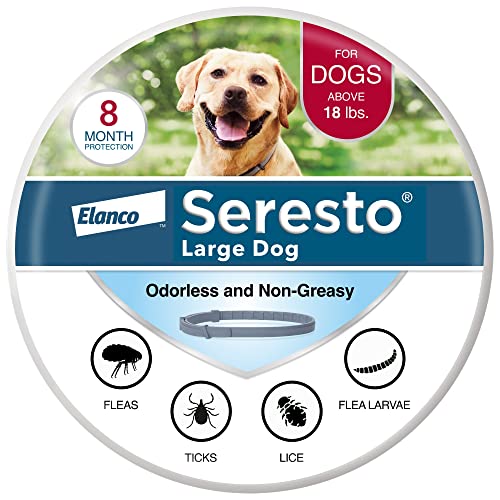
Parasite prevention rests on a few key distinctions that shape which product and routine make sense for your dog. A flea collar is another on-dog option alongside chews and topicals; modern collars can offer months of coverage, but like any preventative, effectiveness and safety depend on matching the collar to your dog's weight and species-appropriate formulation rather than picking whichever is cheapest on the shelf.
On-dog products, chews, topicals, collars, target parasites already trying to feed on your dog. Environmental control interrupts the broader life cycle happening in your home and yard, where most of a flea population actually lives at any given time. Relying on only one side of this equation is a common reason infestations seem to persist despite consistent treatment.
Some of the most effective and widely used flea and tick meds for dogs, including several isoxazoline products, require a veterinary prescription. That's because they involve dosing decisions tied to a dog's weight, breed, seizure history, and other medications. Over-the-counter flea medicine for dogs exists too, but "available without a prescription" isn't the same as "appropriate for every dog." A vet can weigh your dog's specific health profile against the product options in a way a store shelf can't.
In many regions, fleas and ticks are no longer strictly warm-weather problems. Fleas can survive indoors year-round, and some tick species stay active into cooler months. Vet guidance on your climate and exposure risk is more reliable than a fixed calendar rule. Groups like the Companion Animal Parasite Council publish regional prevalence maps that vets use to inform this guidance.
Signs of Fleas and Flea Allergy Dermatitis
Fleas are small, wingless insects that feed on blood and reproduce quickly. They cause itching, hair loss, and hot spots, and in dogs with flea allergy dermatitis, a disproportionately severe skin reaction to even a small number of bites. Heavy infestations in puppies or small dogs can also cause anemia. The first signs owners usually notice are excessive scratching, small dark specks of flea dirt in the coat, or a dog chewing repeatedly at the base of the tail. Flea control usually combines an on-dog preventative with environmental cleanup, covered across Oral Chews & Topical Preventatives and Premise & Environmental Control.
Tick Species and Lyme Disease Risk
Wondering what does a tick look like before it attaches? Most types of ticks start out small and flat, and swell considerably once engorged with blood. Ticks attach to feed, and can transmit serious pathogens over the course of that feeding, including Lyme disease in some regions. That's why tick species identification, prompt removal, and tick prevention for dogs all matter together, not any single step alone. A dog-safe tick repellent applied before hikes or long grass walks reduces the number of ticks that ever get the chance to attach in the first place. Details on recognising species and removing ticks safely are in Tick Species & Removal Protocols.
Lice in Dogs
Lice are less commonly discussed than fleas or ticks, but they do affect dogs. They spread through direct contact and shared bedding or grooming tools, causing itching and coat damage similar to a flea infestation. Lice are host-specific to dogs and don't transfer to humans or cats. Treatment focuses on the same on-dog preventative categories used for fleas, alongside washing bedding and grooming equipment.
Tick Removal Steps and Tools
Correct tick removal technique matters as much as speed. Use fine-tipped tweezers or a dedicated tick removal tool, grasp the tick as close to the dog's skin as possible, and pull straight upward with steady, even pressure. Don't twist, jerk, or squeeze the tick's body, which can leave mouthparts embedded or force infectious fluid back into the bite. Avoid folk remedies like petroleum jelly, a lit match, or nail polish. They don't work reliably and can delay proper removal. After removal, clean the bite site with soap and water or an antiseptic, and keep an eye on the area for redness or swelling over the following days. Save the tick in a sealed bag or container if possible, since your vet may want to identify the species if your dog shows any signs of illness afterward. Full step-by-step photos and species-specific notes are on the Tick Species & Removal Protocols hub.
A medicated dog shampoo or dedicated flea shampoo for dogs can help knock down an active adult flea population fast, though it doesn't provide lasting prevention on its own. Pair it with a longer-acting on-dog preventative for ongoing pet flea treatment. A flea comb is a simple, low-cost way to physically remove adult fleas and check for flea dirt during a bath or grooming session, and it's often the first tool that confirms an infestation before you commit to a full treatment plan.
If your dog develops a dog hot spot treatment need, a raw, irritated patch of skin from constant scratching or licking, it's often a downstream sign of an unresolved flea or allergy issue rather than a stand-alone skin problem. Persistent hot spots are worth a vet visit to rule out flea allergy dermatitis alongside any topical wound care.
Flea Eggs, Flea Larvae and the Home Environment
A flea population in your home isn't just the fleas you can see on your dog. At any given time, most of the population is eggs, larvae, and pupae hidden in carpet fibres, soft furnishings, and shaded outdoor spots, not adult fleas. That's the practical reason a single treatment on the dog rarely resolves an active infestation on its own.
Vacuuming carpets, rugs, and upholstery thoroughly and often, then disposing of the vacuum bag or emptying the canister outside, physically removes eggs and larvae before they mature. Washing pet bedding on a hot cycle weekly during an active infestation does the same for anything a dog sleeps on. Outdoors, keeping grass mown and clearing shaded, humid areas under decks or shrubs removes the conditions fleas need to develop, since they don't thrive in direct sun or dry ground.
Yard Flea Treatment, Sprays and Diatomaceous Earth
Some households turn to a yard flea treatment, diatomaceous earth, or a household spray or fogger for a heavier infestation. These carry their own safety rules, including keeping pets and children off treated areas until they're fully dry or as directed on the label, and never combining products without checking they're safe to use together. This environmental side of treatment, sprays, foggers, and diatomaceous earth included, is covered in full on the Premise & Environmental Control hub.
- Treating only the dog, never the home. An infestation with a large hidden population in carpets and bedding will keep reappearing until the environmental side is addressed too.
- Guessing at a product instead of matching it to species and weight. Products are formulated and dosed for a specific species and weight range; guessing "close enough" is how overdoses happen.
- Stopping prevention once symptoms clear. Fleas and, in many climates, ticks can be a year-round risk, not a seasonal one. Gaps in a prevention schedule are when infestations restart.
- Using a dog product on a cat, or vice versa. This is the single most dangerous mistake in this category and is covered in detail below.
- Ignoring an adverse reaction because "the product is supposed to be safe." Any product can still cause an individual reaction. Watching your dog closely after the first dose of anything new is worth the ten minutes it takes.
Species Matching, Weight Matching and Permethrin Toxicity
The single most important safety rule in this entire category is species matching. Never apply a dog flea or tick product to a cat. Many topical dog products contain permethrin, an ingredient highly toxic to cats. It can cause severe, sometimes fatal, reactions even from indirect contact with a treated dog. Weight matching matters almost as much. A product dosed for a 27-kilogram dog applied to a 7-kilogram dog is an overdose, not a stronger dose, and it can cause serious illness.
Signs of Overdose and Adverse Reaction
Signs of a possible overdose or adverse reaction include tremors, excessive drooling, vomiting, wobbliness or loss of coordination, seizures, or unusual lethargy after applying or giving any parasiticide. These are emergency signs. If you see them, contact your veterinarian or an animal poison control line right away. The ASPCA Animal Poison Control Center and the Pet Poison Helpline are both staffed for exactly this situation, and time matters.
In 2018 the FDA's Center for Veterinary Medicine noted that some dogs and cats given isoxazoline products, a common ingredient family in oral flea and tick meds for dogs, experienced neurologic adverse events such as muscle tremors, ataxia, or seizures. This included some dogs with no prior seizure history. The FDA still considers these products safe and effective for most pets, and asks that any adverse events be reported and discussed with a vet, particularly for dogs with a seizure history. This is background for a conversation with your vet, not a reason to avoid a category of product outright. Full detail is in Parasite Toxicity & Chemical Safety. For general reference, see the AVMA's overview of fleas, ticks, and your pet and the FDA-CVM's isoxazoline safety communication.
Age, reproductive status, and household members all change which products are appropriate. Many flea and tick products carry a minimum age or minimum weight for use, since a puppy's smaller body handles active ingredients differently than an adult dog's. Products intended for pregnant or nursing dogs are more limited, and it's worth confirming with a vet before treating a dog that's pregnant or nursing puppies, rather than assuming any adult-dog product is automatically fine. Around children, most on-dog preventatives are considered low-risk once fully dry or absorbed, but keeping young children from handling a freshly treated dog for the period the label specifies is a sensible precaution rather than an overreaction.
These four areas function as one system, not four separate choices. An on-dog preventative reduces the parasites reaching your dog. Environmental control breaks the life cycle happening around your dog. Tick-specific knowledge lowers the odds that an attached tick causes lasting harm. The safety layer sits underneath all three, governing how any of these tools should be chosen and used. A dog on a consistent, vet-approved preventative can still pick up a tick on a hike, which is why removal knowledge matters even when prevention is working. A home that's been treated environmentally still needs an on-dog product, because outdoor exposure reintroduces parasites. Read this pillar as the map, not the manual. Each sub-hub goes into the depth needed to actually act, and the FAQ layer answers narrow, specific questions that don't need a full page of their own.
What's the best flea treatment for dogs?
There isn't a single best product, it depends on your dog's weight, health history, and whether you need prescription-strength coverage. A vet visit is the fastest way to match a product to your dog rather than guessing from shelf options. See Oral Chews & Topical Preventatives for a full format comparison.
How often should I treat my dog for fleas and ticks?
Most vets recommend year-round prevention rather than a seasonal on-off schedule, since fleas can survive indoors year-round and some tick species stay active into cooler months. Follow the specific product's dosing interval rather than a general calendar rule.
Can ticks make my dog seriously ill?
Yes. Ticks can transmit diseases including Lyme disease and ehrlichiosis over the course of feeding, which is why prompt, correct removal and consistent prevention both matter. See Tick Species & Removal Protocols.
Are flea and tick treatments safe to use around children and cats?
Most on-dog products are considered low-risk around children once dry or absorbed, following label guidance. Cats are a different story: never apply a dog-specific product to a cat, since many contain permethrin, which is highly toxic to cats even from indirect contact.
Can I use flea and tick preventatives on puppies or pregnant dogs?
Only products labelled for that age, weight, or reproductive status. Confirm with a vet before treating a puppy under the minimum age or weight listed, or a dog that's pregnant or nursing.
Is raw chicken bones safe and recommended for dogs on oral or topical flea preventatives? This is a feeding-safety question separate from parasite control, but it comes up often for owners managing multiple aspects of dog health at once. See the full answer at raw chicken bones safety for dogs on oral/topical preventatives.
Is a memory foam bed cover safe for dogs on flea and tick preventatives? Bedding material and parasite prevention are unrelated safety questions, but they're worth checking together if you're also treating your home environmentally. Details at memory foam bed cover safety for dogs on preventatives.
Are raw chicken bones a concern in a home undergoing environmental flea treatment? Some owners ask whether cleaning products used for flea control affect what's safe to feed nearby. Read more at raw chicken bones safety during environmental flea control.
Is a memory foam bed cover compatible with a home doing environmental flea treatment? Washing routines during a flea outbreak can affect bedding care decisions. See memory foam bed cover safety during environmental flea control.
Are raw chicken bones a safety concern for dogs at risk of tick exposure? This pairs a feeding question with outdoor-exposure context relevant to tick-prone dogs. Full answer at raw chicken bones safety for dogs with tick exposure.
Is a memory foam bed cover safe for dogs recovering from a tick bite or removal? Comfort and bedding choices sometimes come up during tick-bite monitoring at home. See memory foam bed cover safety for tick-exposed dogs.
For the complete list of category questions, visit the Flea, Lice & Tick Control FAQ hub.