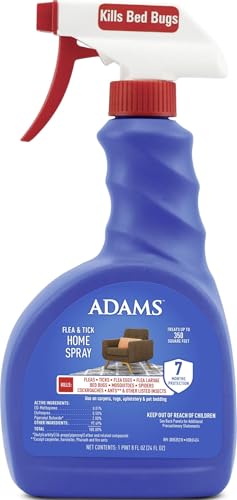
Oral Chews & Topical Preventatives for Dogs
Comprehensive technical analysis of material density, anatomical weight distribution, Indentation Load Deflection (ILD) thresholds, and veterinary standards for oral chews & topical preventatives.


Recommended Products
See the full ranking →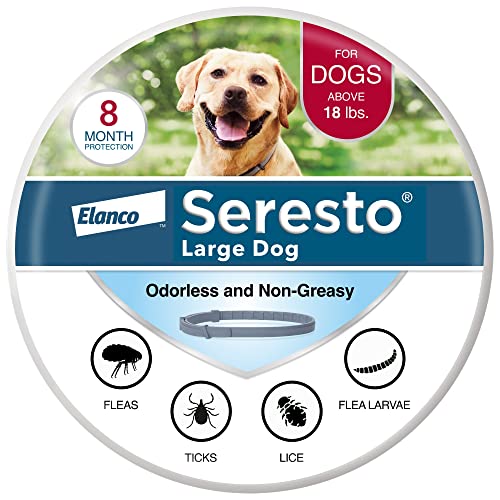

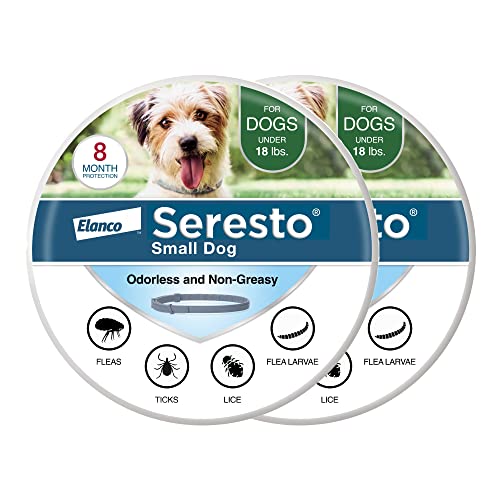
Keeping your dog protected from fleas and ticks usually comes down to a choice between two delivery methods: an oral chew that works from the inside, or a topical spot-on treatment applied to the skin. Both approaches can be genuinely effective when used correctly, but they work in very different ways, and the right pick depends on your dog, your household, and your vet's recommendation.
An oral flea and tick chew is a flavored tablet your dog eats like a treat. Once swallowed, the active ingredient is absorbed into the bloodstream through the digestive system. When a flea or tick bites your dog and draws blood, it ingests the medication along with the blood meal, and that's what disrupts the parasite's nervous system and kills it.
Because the mechanism relies on the parasite actually biting, oral preventatives don't repel fleas and ticks the way some topical products do, the pest still has to make contact first. For many dogs this trade-off is worth it, because there's no wet application, no waiting period before bathing or swimming, and no residue that can transfer to furniture, bedding, or the people in the house. Chews also remove the guesswork of applying product to the right spot on a wriggly dog.
Most oral preventatives are dosed by the dog's weight, and the packaging or your vet will specify how often to give it, commonly monthly, though some products are formulated for longer intervals. This isn't something to estimate on your own; giving too little under-protects your dog, and giving too much is a real overdose risk. Always follow the labeled dose for your dog's actual weight, and check with your vet before combining an oral chew with any other flea, tick, or heartworm product to avoid doubling up on active ingredients.
Topical preventatives come in a small tube and are applied directly to the skin, usually at one or more spots along the back of the neck and down the spine where your dog can't easily lick it off. The product spreads across the skin's surface using the natural oils in the coat, collecting in the hair follicles and forming a reservoir that continues releasing the active ingredient over several weeks.
Many topical products work on contact, meaning they can repel or kill a flea or tick before it even bites, which is a meaningful advantage in tick-heavy environments where preventing a bite matters as much as killing the parasite afterward. The trade-off is that topicals need time to dry, generally shouldn't get wet with shampoo or heavy rain for a day or two after application, and can leave a residue at the application site that people and other pets should avoid touching until it's absorbed.
Application technique matters more than owners often expect. The product needs to reach the skin, not just sit on top of the coat, and it should be applied to an area your dog genuinely cannot reach with its mouth. If you have a household with small children who cuddle closely with the dog, or multiple pets who groom each other, factor that into where and how you apply it, and keep the application site covered by clothing or a barrier until it's dry.
Not every product covers the same parasites, and this is one of the most common sources of confusion. Some preventatives target fleas only, some cover fleas and ticks, and some broader-spectrum products also address mosquitoes, mites, or intestinal parasites. A product that's excellent for fleas may offer weak or no protection against a specific tick species in your area, so it's worth checking the label against what's actually a risk where you live and where your dog spends time, a dog that hikes through long grass and wooded trails has different exposure than a dog that only visits a fenced backyard.
Regional risk also changes seasonally in many climates, with flea and tick activity ramping up in warmer months and easing off in winter, though in mild climates parasites can remain active year-round. Rather than guessing at coverage, ask your vet what parasites are actually a concern in your area and match the product's labeled spectrum to that list.
There's no universally "better" option, it genuinely comes down to fit. Oral chews tend to suit dogs who are difficult to handle for a topical application, households with young children or multiple pets who are in close contact, and owners who want a mess-free option with no drying time. Topical treatments tend to suit dogs with food sensitivities or picky appetites who won't reliably eat a medicated chew, situations where repelling ticks before a bite is a priority, and dogs who already tolerate grooming and handling well.
Cost, dosing frequency, and your dog's health history all factor in too. A dog with a sensitive stomach or a history of adverse reactions to a particular ingredient class may do better on the other delivery method entirely. This is exactly the kind of decision worth discussing with your vet rather than picking based on convenience alone, particularly for puppies, senior dogs, dogs with existing health conditions, or breeds known to be sensitive to certain parasite medications.
Whichever method you choose, a few safety habits apply across the board. Always weigh your dog accurately before dosing rather than estimating, since both oral and topical products are formulated in weight brackets and under- or over-dosing carries real risk. Never split a product intended for a larger dog to use on a smaller one, and never use a product labeled for dogs on a cat, some flea and tick ingredients that are safe for dogs are dangerous, even fatal, to cats.
Keep an eye on your dog after any new preventative is introduced. Mild, short-lived reactions at an application site or brief digestive upset after a chew can happen, but symptoms like vomiting, tremors, unusual lethargy, difficulty breathing, or seizures are not something to wait out, that warrants an urgent call to your vet or an emergency vet clinic right away. If your dog is on other medications, pregnant, nursing, very young, or has a known health condition, loop your vet in before starting any new preventative so they can flag interactions or contraindications specific to your dog. General product information is a starting point, not a substitute for guidance tailored to your dog's health and history.
Go Deeper
Detailed companion guides for oral chews & topical preventatives.
Oral vs. Topical vs. Collar Flea & Tick Preventatives, How They Actually Differ
How oral chews, topical spot-ons, and collars work, how fast each acts, how long protection lasts, and what the isoxazoline safety note actually means.
Using Flea & Tick Preventatives Safely, Weight Matching, Species Matching, and What to Do If Something Goes Wrong
How to match a flea/tick preventative to your dog's weight and species, follow label and vet guidance correctly, and know when a reaction needs a vet call.