



This is not a one-size-fits-all answer
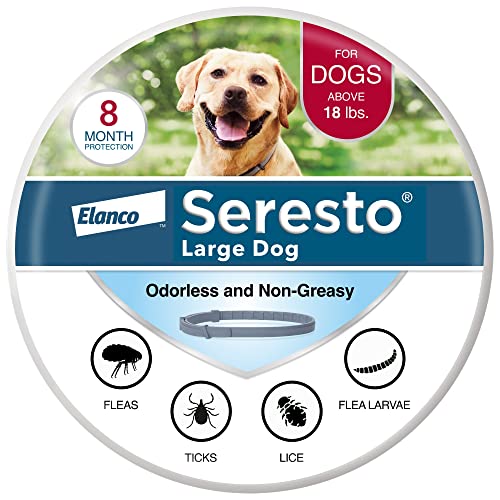
Many flea and tick products have specific minimum age and minimum weight requirements, and using a product before a puppy meets those thresholds can be genuinely unsafe rather than just less effective. Some products are approved for pregnant or nursing dogs and others explicitly aren't, and this varies by brand and active ingredient, so the safe answer always depends on the specific product and your dog's specific stage of life, not on flea and tick products as a general category.
Puppies need extra care
Puppies are more vulnerable to certain ingredients because of their smaller body size, developing organs, and lower body fat, which affects how a product is processed. Never use an adult dog's leftover product on a puppy assuming a smaller amount will be fine, and never use a cat product on a puppy or a dog product on a kitten. Ask your vet what's appropriate at each stage, since the right product often changes as a puppy grows past the initial age and weight thresholds on the label.
Pregnancy and nursing considerations
If your dog is pregnant or nursing, mention this to your vet before starting or continuing any flea and tick product, since some formulations aren't recommended during these periods while others are specifically labelled as safe. This is also relevant if you're treating a nursing mother whose puppies are in close, constant contact with her, products applied topically to a nursing mother can potentially transfer to puppies through contact or during nursing, which is part of why the label guidance matters here specifically.
Why "just to be safe" DIY approaches can backfire
It can be tempting to use a smaller dose of an adult product on a puppy, or to skip prevention altogether during pregnancy out of caution, but both approaches carry their own risks, under-dosing can be ineffective and inconsistent, while going without any prevention leaves a vulnerable puppy or pregnant dog exposed to fleas and ticks at a time when their health is already more fragile. Neither improvised approach substitutes for a product actually designed and tested for that life stage.
The safest path
Talk to your vet about your puppy's exact age and weight, or your dog's stage of pregnancy or nursing, before starting any flea and tick product. They can recommend an option specifically approved for that situation and advise on when to transition to a standard adult dog product as your puppy grows or after weaning is complete. Weigh your puppy at the visit if you can, since dosage on many labels is set by weight bands rather than age alone, and a puppy close to a threshold may need a recheck in a few weeks rather than an assumption either way.