

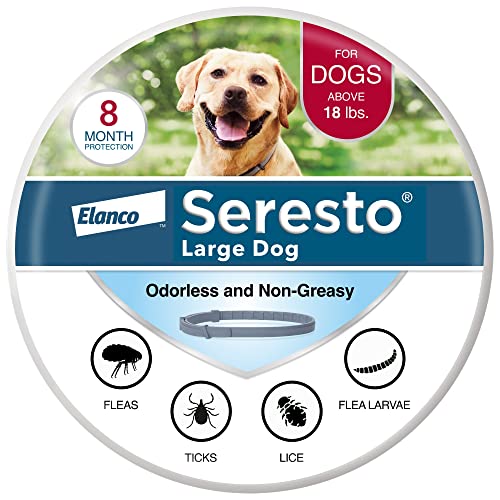


There's no single answer for every dog
How often you need to treat depends on the specific product, your dog's lifestyle, your climate, and local flea and tick pressure. Most oral chews and topical spot-on treatments are labelled for monthly use, but some newer products claim longer windows of protection. The only way to know the correct interval for the product in your hand is to read the label and confirm the schedule with your vet, since "monthly" isn't universal across every brand or formulation.
Factors that change the frequency you need
Dogs who spend a lot of time outdoors, live in warm or humid climates, visit dog parks, or go hiking in bushland typically need more consistent, uninterrupted coverage than dogs who mostly stay in a fenced yard. Fleas and ticks are also seasonal in many regions, more active in warmer months, but in mild climates they can be a year-round concern rather than something you only need to think about in summer. Multi-pet households and homes with cats add complexity too, since fleas move between animals easily.
Consistency matters more than the exact product
Gaps in coverage are one of the most common reasons flea and tick prevention "stops working." If you treat sporadically, or restart a schedule weeks after your dog was already exposed, parasites can re-establish before the next dose. Setting a recurring reminder on your phone for the same date each month (or whatever interval your product specifies) is a simple way to avoid missed doses, which matters more for effectiveness than switching between products.
Talk to your vet about the right plan
Your vet can factor in your dog's weight, age, breed, health conditions, other medications, and your local parasite risk to recommend both a product and a schedule. This is especially worth doing if you've moved to a new region, if your dog has had a previous reaction to a product, or if you're currently using an over-the-counter option and aren't sure it's giving adequate protection for your circumstances.
Signs your current schedule isn't working
If you're finding fleas or ticks on your dog despite treating on schedule, don't just double the dose or apply more product, that can create its own safety risks. Instead, bring the product packaging and your dog into the vet so they can assess whether it's an application issue, a resistance issue in your area, or whether your dog needs a different type of product or a combined approach that also treats the home environment. It's also worth checking whether the product was applied correctly and to dry skin, since incorrect application is a common, easily fixed reason a treatment seems to underperform even when the schedule itself was followed properly.