



Yes, tick bites can carry real health risks
Ticks aren't just an unpleasant nuisance. Depending on the species and region, they can transmit organisms that cause illness. In some areas, a particular tick species, often called a paralysis tick, produces a toxin that causes paralysis rather than an infection. The specific risks vary a lot by geographic location, so what a tick bite might mean for your dog depends heavily on where you live and where your dog has been.
Signs that suggest a tick-related illness
General warning signs after a known or suspected tick bite include lethargy, reduced appetite, fever, swollen or painful joints, and joint pain that shifts between legs as lameness. Unusual bruising or bleeding can also occur. With paralysis-tick species specifically, early signs can include a change in bark, wobbliness in the back legs, coughing or retching, and difficulty breathing. These paralysis signs can progress quickly and are a genuine emergency rather than something to monitor at home. Because symptoms can take days to appear after the bite, or even after the tick has already been removed, mention any recent tick exposure to your vet even if your dog currently seems fine.
Why quick action matters
Illness linked to tick bites is generally much easier to manage the earlier it's caught. Paralysis-type reactions in particular can worsen rapidly, sometimes within hours. If your dog shows any of the emergency signs above, especially breathing difficulty, collapse, or sudden weakness, treat it as urgent. Get to a vet or emergency animal hospital immediately rather than waiting to see if it passes on its own.
Prevention is more reliable than treatment
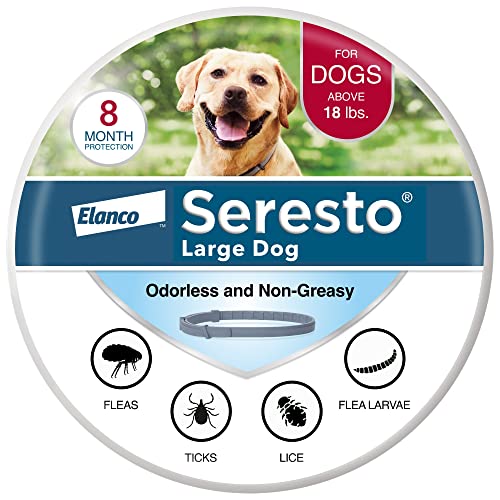
Consistent use of a vet-recommended tick preventative suited to your region, combined with regular physical checks after your dog has been in tick habitat, is the most effective way to reduce risk. In high-risk areas, your vet may recommend a product specifically chosen for its activity against the local paralysis tick or other tick species common in your area, since not every flea and tick product performs the same way against every tick.
Talk to your vet about your specific area
Because tick-related disease risk is so location-dependent, a conversation with your local vet is the best way to understand what's actually relevant where you live. Ask what symptoms to watch for, which tick species are common locally, and what prevention plan makes sense for your dog's lifestyle. This conversation is especially worth having before travelling with your dog to a region with different tick species than you're used to, since joint pain, lethargy, or fever after a bite in an unfamiliar region can mean something different than it would at home.