



Ticks aren't a single, uniform pest
"Tick" covers many different species, and which ones your dog is likely to encounter depends entirely on your region, climate, and local wildlife. Some species are found mainly in bushland and forested areas, others in grassland, and some are common in suburban yards with wildlife visitors like possums or rodents passing through. Because the risks and behaviours differ by species, it's worth knowing which ticks are relevant where you actually live rather than relying on generic information.
Common categories owners encounter
Broadly, some tick species mainly cause local irritation and, in heavy numbers, blood loss, without transmitting significant disease. Others are known vectors for specific pathogens that cause illness in dogs, with symptoms that can take days to appear after the bite. In some regions, a particular species produces a neurotoxin as it feeds, causing progressive paralysis rather than an infection, this is a fundamentally different risk profile and often a faster-moving emergency than a disease-transmitting bite. Because appearance alone can be hard to use reliably for identification, don't assume a tick is "harmless" based on size or colour.
Where and when different species are active
Tick activity is often seasonal, tends to peak in warmer, humid months in many regions, and is generally higher in long grass, leaf litter, dense bush, and areas frequented by wildlife. Some regions have tick activity for most of the year rather than a short season, which is another reason to check with a local vet about the specific pattern where you live rather than assuming a "tick season" that applies everywhere.
Why species matters for prevention products
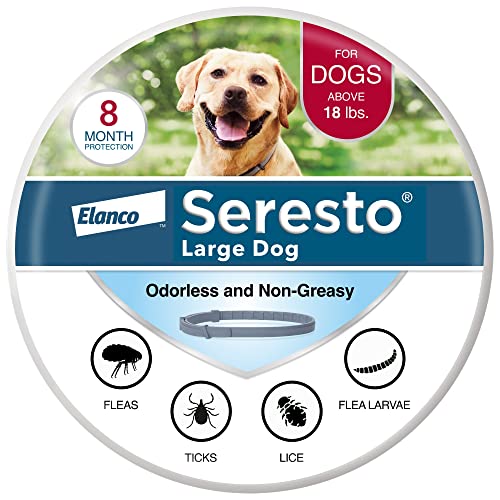
Not every flea and tick preventative is effective against every tick species, a product that works well against one type may have little to no effect against another. This is one of the most important reasons to choose a preventative based on your vet's knowledge of local tick species rather than picking whatever product is on the shelf, especially in regions with a particularly dangerous local species.
Identifying what you've found
If you remove a tick and want to know what it was, especially in a region with a dangerous local species, your vet can often identify it or send it for identification. Photographing the tick before disposal, and noting the date and location on your dog, gives your vet useful information if symptoms develop later, even without a formal identification. This is particularly useful if you've recently moved, travelled with your dog, or noticed a tick that looks different from ones you've found before, since a change in appearance can sometimes mean a different species than the one you're used to seeing in your usual area.