



How each type works
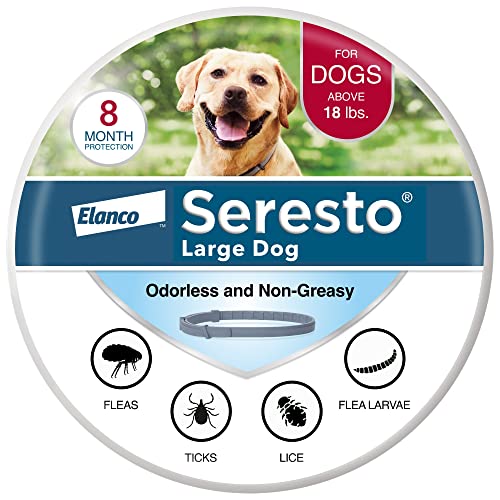
Oral flea and tick chews are absorbed into your dog's bloodstream through the digestive system, so the parasite has to bite your dog and ingest blood to be affected. Topical spot-on treatments are applied to the skin, usually between the shoulder blades, and spread through the skin's natural oils across the body surface, often killing or repelling parasites on contact rather than requiring a bite first. Both categories include many different active ingredients, so two oral products or two topical products can behave quite differently from each other.
Practical pros and cons of each
Oral chews avoid the mess of a topical application, don't leave a residue on fur or furniture, and aren't affected by bathing or swimming right after dosing. Some dogs find them easy to accept as a treat, though picky eaters or dogs with food sensitivities may struggle with certain formulations. Topical treatments can be a better fit for dogs who won't reliably eat a chew, but they require the skin to be dry, need a set number of days before or after bathing depending on the product, and some formulations aren't safe to apply if young children or cats will have close skin contact with the treated area right after application.
Neither type is automatically "better"
The right choice depends on your dog's health history, other medications, lifestyle, and household. A dog with a sensitive stomach might do better on a topical, while a dog who reacts to skin applications might do better on an oral product. Some vets also recommend combining an oral or topical preventative with an environmental approach for dogs with heavy flea exposure, rather than relying on a single product alone.
Questions worth asking your vet
Ask which parasites a specific product actually covers, since not every flea and tick product also covers ticks, heartworm, or intestinal worms, and coverage varies a lot by brand. Ask about your dog's specific risk factors, any current medications that could interact, and whether the product is appropriate for your dog's age and weight. This conversation is worth having even if you've used a product before, since formulations and recommendations change.
Making the switch between types
If you're considering switching from oral to topical or vice versa, do it under your vet's guidance rather than overlapping products or guessing at timing. Some products need a gap before switching to avoid overdosing on a shared active ingredient, and your vet can advise on the safest transition based on what your dog is currently using. Keep a note of the last dose date and product name when you switch, since this information helps your vet plan the changeover accurately and avoids accidental double dosing during the transition period.