
Indoor Crates, Outdoor Dog Houses and Escape-Proof Exercise Pens
Den dynamics, wire vs heavy-duty escape-proof crates, outdoor dog houses, and puppy playpen setups. Authoritative veterinary guidelines, anatomical parameters, and sub-category master breakdown.
- 4
- Sub-Categories
- 8
- In-Depth Guides
- 24
- Products Reviewed
- Jul 2026
- Last Reviewed

Recommended Products


Sub-Category Micro Hubs
In-depth technical analyses, material specifications, and comparative evaluation.
Indoor Crates
Detailed evaluation of anatomical parameters, safety standards, and practical recommendations for indoor crates.
Outdoor Dog Houses
Detailed evaluation of anatomical parameters, safety standards, and practical recommendations for outdoor dog houses.
Exercise Pens & Playpens
Detailed evaluation of anatomical parameters, safety standards, and practical recommendations for exercise pens & playpens.
Heavy-Duty Anxiety Escape-Proof Crates
Detailed evaluation of anatomical parameters, safety standards, and practical recommendations for heavy-duty anxiety escape-proof crates.
Every dog needs a space that is truly theirs, somewhere to settle after a long walk, sleep through the night, or ride out a thunderstorm without pacing the house. Confinement and shelter covers the physical products that create that space. Indoor crates handle training and downtime. An outdoor dog house gives yard shelter. Exercise pens allow safe containment, and reinforced escape-proof crates suit dogs that treat ordinary latches as a challenge.
Choosing well means matching the product to your dog's size, temperament, and living situation, not just picking whatever looks sturdiest on a store shelf. This guide maps the whole category so you can find the right starting point. Maybe you're crate-training a puppy, building a dog house for a yard dog, or containing a determined escape artist.
Indoor crates are the backbone of most home training routines. A wire, plastic, or soft-sided indoor crate placed in a living area or bedroom gives a dog a den-like retreat. It also gives owners a reliable way to manage house-training and prevent destructive chewing when unsupervised. It helps create calm during busy household moments too, like visitors or fireworks. Because indoor crates double as furniture in many homes, material, noise level, and appearance matter alongside function. If you're starting here, our Indoor Crates hub breaks down styles, sizing, and training approaches in depth.
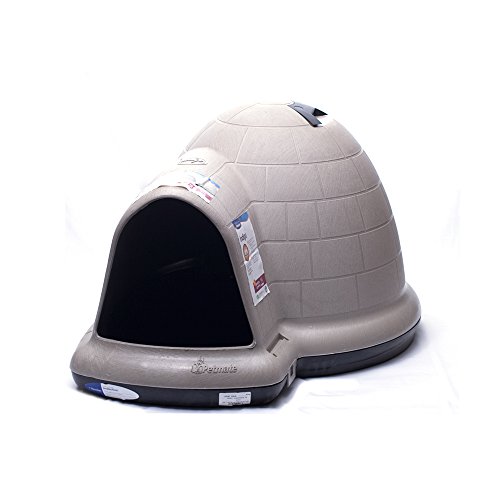
Outdoor dog houses serve a different purpose: weatherproof shelter for dogs that spend meaningful time in a yard. A good dog house protects from sun, wind, and rain, and insulates against temperature extremes. It also gives a dog a den to retreat to that isn't the bare ground. Outdoor housing decisions hinge on climate, dog size, and how much time the dog actually spends outside unsupervised. The Outdoor Dog Houses hub covers insulation, placement, and seasonal care.
Exercise pens and playpens occupy the middle ground between a crate and open-room access. A pen gives a dog room to stand, turn around, stretch, and play while still restricting access to a defined area. That's useful for puppies not yet trusted with the run of the house. It also suits senior dogs in post-surgery recovery, or a safe zone at a barbecue or camping trip. Pens are typically larger footprint but lower structure than a crate, so they're not a substitute for one when full containment is needed. See the Exercise Pens & Playpens hub for setup and sizing guidance.
Heavy-duty, escape-proof crates exist for a specific and common problem. Some dogs bend wire, flip latches, or chew through plastic seams to get out. An escape-proof dog crate uses welded steel of a heavier gauge, multi-point locking systems, or aircraft-grade aluminum; steel gauge and weld quality, not just thickness, determine how well a crate resists a determined dog. It holds dogs that a standard dog kennel cannot contain, often the same dogs who show separation anxiety or high-arousal escape behavior. If your dog has broken out of a standard crate, start at the Escape-Proof Crates hub rather than buying another crate that will likely fail the same way.
Sizing is the first and most important decision across every product in this category. A dog kennel, pen, or dog house that's too small is uncomfortable and can undermine training. One that's too large defeats the den effect that makes crates calming. It can also make house-training slower, since a dog can eliminate in one corner and still sleep comfortably in another. As a general rule, a dog should be able to stand without ducking, turn around fully, and lie down stretched out. Aim for a little extra room, not a lot.
Material is the second major fork. Wire crates offer the best ventilation and visibility, fold flat for storage, and are usually the most affordable option. They can be chewed at the seams, though, and are the easiest for a determined dog to bend. Plastic crates, often called "travel" or "airline" crates, are more den-like and block drafts better. They're also required for most airline cargo travel, but they're bulkier to store and harder for owners to see into. Heavy-duty crates trade portability and price for security. Welded or riveted steel construction resists bending, chewing, and latch manipulation. That's the right call for dogs with a documented escape history, not a first crate purchase.
Indoor versus outdoor placement changes the calculus again. Products built for an outdoor dog house need weatherproofing, insulation, and elevation off the ground that indoor crates never require. Indoor crates need to fit household furniture footprints instead, and ideally blend into a room rather than dominate it. Don't cross-shop the categories. An indoor wire crate left outdoors will rust and fail quickly, and an insulated dog house is overkill and awkward indoors.
Escape-proofing is its own decision tree, separate from size and material. Before buying an escape-proof dog crate, it's worth identifying why the dog is escaping. Common causes are boredom and understimulation, separation anxiety, or genuine structural weakness in the current crate. A stronger crate solves the third cause but not the first two. Pair any upgrade with the behavioral steps covered in the Welfare & Safety section below. When you're ready to compare specific models by budget and dog size, our roundups are the fastest path: best dog crates, best outdoor dog houses, best dog playpens, and best escape-proof dog crate.
Use your dog's weight and length (nose to base of tail) as a starting point, then confirm against the specific product's dimensions before buying.
| Dog Weight | Typical Crate Length | Notes |
|---|---|---|
| Under 25 lbs (small breeds) | 24" | Toy and small breeds; puppies may need a divider panel |
| 26-40 lbs (medium) | 30" | Beagles, Cocker Spaniels, adult mid-size mixes |
| 41-70 lbs (large) | 36" | Labradors, Border Collies, Standard Poodles |
| 71-90 lbs (extra-large) | 42" | Golden Retrievers, German Shepherds |
| Over 90 lbs (giant breeds) | 48"+ | Great Danes, Mastiffs; check crate weight rating, not just length |
For puppies still growing, a crate with an adjustable divider panel lets you buy the adult size once and section it down, rather than upgrading crates every few months.
Different goals call for different starting points in this category. For crate training a puppy, a puppy crate with an adjustable divider panel is the standard starting point; see the Indoor Crates hub for sizing and divider-panel guidance. The goal is a positive, gradual introduction, not confinement for its own sake. For travel, whether by car or air, a plastic crate with secure door latches is generally the standard. Airline travel has its own carrier requirements too, worth checking before booking. For general containment, an exercise pen is usually more practical than a crate for potty training breaks and general daytime containment. It's the better fit for keeping a dog safely out of a kitchen during cooking, or corralling a puppy during a party, because it allows movement and social contact. For outdoor shelter, particularly for working dogs or those with supervised yard time, the Outdoor Dog Houses hub covers insulation and weatherproofing. The goal is a dog house that actually protects against your local climate rather than just providing shade.
A dog kennel or crate is meant to function as a safe den. It isn't a disciplinary tool, and it shouldn't be used to manage a dog for extended stretches of the day. Veterinary and behavior organizations generally advise against crating adult dogs for more than a few hours at a stretch outside of overnight sleep, including the American Veterinary Medical Association. Puppies need even more frequent breaks tied to their bladder capacity and age. Crating should always be introduced gradually and paired with positive associations: treats, meals, and a comfortable bed inside. It should never be used as punishment. A dog that associates the crate with being in trouble will resist it.
A dog escaping a crate, chewing at the wire, or showing destructive behavior can be a sign of separation anxiety rather than a training or product problem. The same is true of excessive drooling or panicked vocalizing when confined. A heavier-duty crate alone won't resolve the underlying distress. The Humane Society's guidance on separation anxiety is a useful starting point, and persistent cases warrant a conversation with a veterinarian or certified dog behaviorist before investing in escape-proof hardware.
Outdoor sheltering carries its own welfare considerations. A dog house is not a substitute for appropriate supervision. Extreme heat or cold can turn even a well-insulated shelter into a health risk if a dog is left outside for long, unsupervised stretches. Many local and state jurisdictions in the US set minimum standards for outdoor housing, shelter from weather, and shade access. Check local animal control ordinances before relying on an outdoor dog house as a primary living space, rather than supplemental daytime shelter.
The three common indoor crate types trade off differently. A wire crate gives the best visibility and airflow, folds flat for storage, and is usually the cheapest option, but it's also the easiest for a determined chewer to bend at the seams. A plastic crate (sometimes sold as a "travel" or "airline" crate) is more enclosed and den-like, blocks drafts better, and is required for most airline cargo travel, though it's bulkier to store and harder to see into. A soft-sided crate is the lightest and most portable option, best suited to a calm, already crate-trained dog for short trips or shows, since fabric walls offer little resistance against a dog that scratches or chews at the door.
Wire and metal playpen panels wipe down easily with a pet-safe disinfectant and dry fast, which makes them the low-maintenance choice for daily use. Plastic crates should be scrubbed periodically with warm soapy water, paying attention to the vents and door hardware where grime builds up. Fabric playpen panels and soft-sided crates need regular vacuuming or a wipe-down, and any washable liner should go through the wash on the same schedule as a dog's bed. An outdoor dog house needs a seasonal check beyond routine cleaning: inspect the roof seal before wet weather, clear bedding of moisture before it turns musty, and re-check insulation and any weatherproofing coating at the start of each extreme season.
A basic wire crate is the most affordable entry point in this category and works well for most house-training. Plastic travel crates cost a bit more and are worth the extra spend if air travel or frequent car trips are part of the plan. Heavy-duty, escape-proof crates sit well above both, since welded steel construction and multi-point locking hardware cost more to manufacture, but that expense is only justified for a dog with an actual escape history, not as a first purchase "just in case." Exercise pens price out by panel count and material, with basic wire pens the cheapest and padded or furniture-style pens costing more. Outdoor dog houses range the widest of any category here, from a simple uninsulated shelter to a fully insulated, elevated structure built for genuine four-season climate exposure, and the price should track how much real time a dog spends outside unsupervised.
Buying an escape-proof crate before addressing the cause. A heavy-duty crate solves a structural weakness, not boredom or separation anxiety. Rule out the behavioral cause first, or the dog may simply redirect the same distress into new destructive behavior.
Sizing a crate too large "for more room." Extra space undermines the den effect and can slow house-training, since a dog can toilet in one corner and still rest comfortably in another. Snug-but-not-cramped is the right target, not maximum floor space.
Leaving an indoor wire crate outdoors. Indoor crate materials aren't built for weather exposure and will rust or degrade quickly. Match the product to its intended environment rather than repurposing it.
Treating an exercise pen as full containment. A pen restricts area but rarely has the structural strength of a crate, and most designs can be pushed, climbed, or tipped by a determined dog. It's a supervised-space tool, not an unsupervised-containment one.
Using the crate as punishment. A dog sent to the crate in anger, or shut in immediately after misbehaving, learns to associate the space with distress rather than safety, which undermines the entire point of den-based training.
Is crate training cruel, or is it actually good for dogs? Used correctly, an indoor crate taps into a dog's natural den instinct and gives them a predictable, safe space. It becomes a welfare problem only when used for extended confinement, as punishment, or without the gradual, positive introduction described above.
How long can I safely leave my dog in a crate? A few hours at a stretch for an adult dog outside of overnight sleep, per general veterinary guidance. Puppies need breaks tied to their age and bladder capacity, often as little as one hour per month of age during the day.
Why does my dog whine or cry in the crate, and how do I stop it? It's usually a sign the introduction moved too fast, or that genuine separation anxiety is present. Slow the training back down, add positive associations like meals and treats inside the crate, and rule out a physical need (bathroom, thirst) before assuming it's purely behavioral.
Should I put my dog's crate in the bedroom or somewhere else in the house? A bedroom placement helps a lot of dogs, especially puppies and newly adopted dogs, settle faster since they're near their people overnight. A living area placement works well once a dog is confident and mainly using the crate for daytime downtime rather than comfort at night.
How do I set up a safe outdoor exercise pen for my dog in the yard? Choose a pen tall enough that your specific dog can't jump or climb out, secure it on level ground away from direct sun for the whole session, and never leave a dog in an outdoor pen unsupervised for long stretches, since pens don't offer the same weatherproofing or predator protection as supervised time.
These four sub-hubs work together rather than in isolation. A puppy might start in an indoor crate for house-training. As trust builds, they graduate to supervised time in an exercise pen, and eventually need only occasional crating for travel or vet visits. A dog that escapes a standard indoor crate due to anxiety may need both a heavier-duty crate and the behavioral support outlined above. Hardware and training address different parts of the same problem. A dog that splits time between indoor family life and a yard may need products from two hubs at once. An indoor crate covers nighttime, and an outdoor dog house covers supervised daytime hours. Think of this pillar page as the map, and each sub-hub as the detailed route for wherever your dog is in that journey.
Is it safe to give a dog raw chicken bones inside an indoor crate?
This is a common question from owners who want to occupy a dog during crate time. See our detailed answer at Indoor Crates: Raw Chicken Bones Safety.
Can I put a memory foam bed cover inside an indoor crate?
Bedding choice affects both comfort and chew-safety inside a crate. Full guidance is at Indoor Crates: Memory Foam Bed Cover Safety.
Are raw chicken bones safe to give a dog in an outdoor dog house?
Outdoor feeding and chew-treat safety differ slightly from indoor use. See Outdoor Dog Houses: Raw Chicken Bones Safety.
What bedding works inside an outdoor dog house?
Weather resistance changes what's appropriate outdoors versus in. Read Outdoor Dog Houses: Memory Foam Bed Cover Safety.
Can I give raw chicken bones to a dog inside an exercise pen or playpen?
Supervision levels in a pen setting affect this answer. See Exercise Pens & Playpens: Raw Chicken Bones Safety.
Is a memory foam bed cover suitable for use inside an exercise pen?
For pen-specific bedding and safety notes, see Exercise Pens & Playpens: Memory Foam Bed Cover Safety.
For more questions across this category, browse the full Crates, Houses & Pens FAQ hub.


Relevant Products
