
Diets & Formats for Dogs
Comprehensive technical analysis of material density, anatomical weight distribution, Indentation Load Deflection (ILD) thresholds, and veterinary standards for diets & formats.


Recommended Products
See the full ranking →

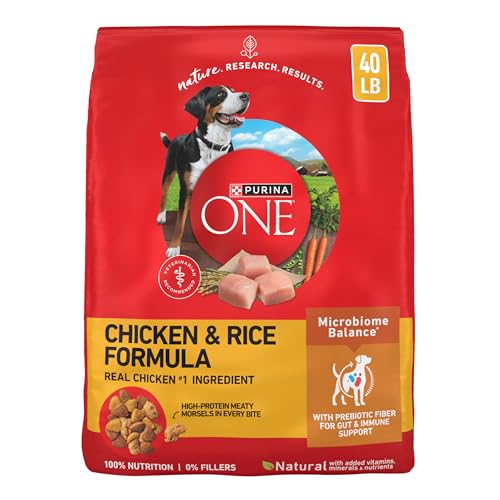
Walk down any pet food aisle and you'll see the same dog food split into wildly different shapes: crunchy kibble, soft cans, vacuum-sealed raw patties, air-dried nuggets, and gently cooked fresh meals in the fridge section. These are all "formats", different ways of processing and preserving the same basic ingredients. None of them is automatically the "best" diet. Each format is a trade-off between cost, convenience, shelf life, and how close the food stays to its raw form. Understanding those trade-offs is the fastest way to pick a format that actually fits your dog, your budget, and your kitchen routine.
Dry kibble is cooked at high heat and extruded into pellets, then coated with fat and flavouring. It's the most affordable format per calorie, has the longest shelf life, doesn't spoil quickly once a bowl is down, and the crunch offers mild abrasive action against plaque as your dog chews. The trade-off is that high-heat processing can degrade some heat-sensitive nutrients (manufacturers compensate by adding synthetic vitamins back in), and kibble is relatively low in moisture, which matters for dogs who don't drink much water.
Wet or canned food is cooked and sealed in an airtight can or pouch, giving it a long shelf life until opened. Moisture content is much higher than kibble, which helps hydration and can be gentler on ageing teeth or a fussy appetite. It's usually more expensive per calorie than kibble and, once opened, needs refrigeration and gets used within a few days.
Raw diets feed uncooked meat, bone, and organ, either home-assembled or as a commercial frozen/freeze-dried product. Proponents point to minimal processing and high palatability. The trade-offs are real and worth taking seriously: raw meat can carry pathogens like Salmonella or Listeria that are a risk to your dog and to anyone in the household handling it, home-formulated raw diets are frequently unbalanced unless built to a validated recipe, and freezer space plus strict hygiene are non-negotiable. If you're considering raw, it's worth a conversation with your vet first, especially for puppies, seniors, or any dog with a compromised immune system.
Freeze-dried and dehydrated foods remove moisture from raw or lightly cooked ingredients through cold processing rather than high heat, which preserves more of the food's original nutrient profile while making it shelf-stable at room temperature without refrigeration. They're rehydrated with water before serving. This format sits in a middle ground: more nutrient-gentle processing than kibble, safer handling than raw (though not sterile), and a higher price point than either.
Fresh / gently cooked diets are lightly cooked at lower temperatures than kibble extrusion and shipped or sold refrigerated or frozen, often in pre-portioned packs. They aim to combine the food-safety benefit of cooking with less nutrient degradation than intense kibble processing. They're the most convenient "human-grade feeling" option but also the priciest, and they need fridge or freezer space and a firm eye on use-by dates.
Start with three questions rather than a brand name. First, what can you realistically store and handle, do you have freezer space, and are you comfortable with raw-meat hygiene if you're considering that route? Second, what does your dog need medically, a dog with dental disease might do better on food that doesn't require heavy chewing, while a dog who under-drinks water might benefit from the added moisture in wet, fresh, or rehydrated freeze-dried food. Third, what's sustainable for your budget over months and years, since format cost differences compound daily.
It's also completely fine, and common, to mix formats. Many owners feed kibble as the everyday base and add a wet-food topper for palatability, or rotate a freeze-dried option in when travelling. What matters most isn't picking one "correct" format for life, it's making sure whatever combination you land on is nutritionally complete and a balanced diet, not just tasty, and that portion sizes stay right for your dog whichever format is in the bowl.
A puppy in a fast-growing stage and a senior dog with slowing joints or fussier digestion often do better with different formats than a healthy adult in their middle years, a topic covered in more depth in the life-stage guide, so it's worth revisiting format choice at each major life stage rather than assuming one format suits a dog forever.
Every format has its own storage discipline. Kibble should be kept in its original bag (or transferred with the bag folded inside a container) away from heat and humidity, and used within roughly six weeks of opening as fats can go rancid. Opened wet food belongs in the fridge and is generally best used within three to five days. Raw and fresh foods need consistent freezer or fridge temperatures, dedicated prep surfaces, and thorough handwashing after handling, the same precautions you'd use with raw meat you're cooking for yourself. Freeze-dried food is shelf-stable dry but should be rehydrated with clean water and any leftovers treated like fresh food once wet.
Across every format, watch for signs a diet isn't agreeing with your dog: chronic soft stool, excessive gas, itchy skin, or a dull coat are all reasons to reassess, ideally with your vet's input rather than by format-hopping repeatedly on your own.
Sudden format changes are one of the most common causes of digestive upset in otherwise healthy dogs. When you're moving from one format to another, kibble to fresh, wet to raw, or anything in between, transition gradually over seven to ten days, mixing increasing proportions of the new food into the old. Watch stool quality and appetite as you go, and slow the transition down further if you see loose stool. Dogs with sensitive stomachs, puppies, and seniors often need an even slower changeover.
If your dog has an existing health condition, always check with your vet before changing formats, since some conditions (kidney disease, certain GI disorders, pancreatitis history) respond very differently to changes in fat content, moisture, or protein source that often come bundled with a format switch.
Go Deeper
Detailed companion guides for diets & formats.
Dry vs. Wet vs. Fresh vs. Raw Dog Food, An Honest Comparison
A balanced comparison of dry, wet, fresh, and raw diets, cost, convenience, hydration, the dental myth, and raw feeding's real risks and appeal.
How to Read a Dog Food Label, A Practical Guide
How to read a dog food label: the AAFCO statement, ingredient order, named vs generic proteins, guaranteed analysis, and marketing terms that mean little.