


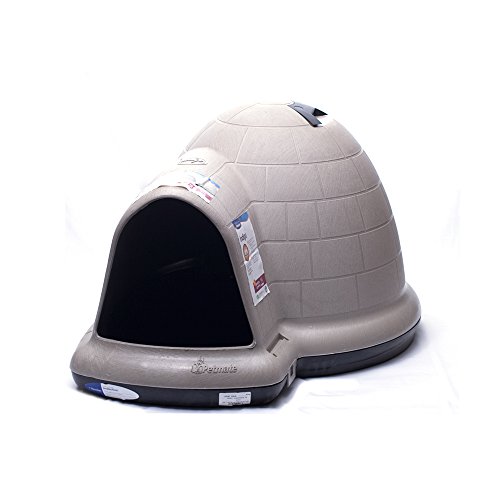

Where the "cruel" reputation comes from
The criticism of crate training almost always traces back to misuse, not the equipment itself: dogs shut in a crate for eight-plus hours a day, crates used as a punishment ("get in your crate!" said in an angry tone), or a dog forced inside before they've ever built a positive association with the space. Any of those would understandably feel confining and stressful. But that's a training and management failure, not evidence that crates are inherently harmful.
The den instinct argument
Dogs descend from denning animals that sought out small, enclosed spaces to sleep, rest, and feel secure, particularly when raising young. Many dogs, not all, settle noticeably once they have a defined, cosy space that's theirs alone. A crate that's been introduced gradually and positively taps into that instinct rather than working against it. You'll often see a well-trained dog wander into their open crate on their own to nap, which is a reasonable sign the space feels safe rather than punishing.
What humane crate training actually looks like
A few principles separate helpful crate use from harmful confinement:
- Never use it as punishment. The crate should always be a neutral-to-positive place, never where your dog goes because they've "been bad."
- Introduce it gradually. Start with the door open, feed meals near or inside it, and let your dog explore at their own pace before ever closing the door.
- Keep early sessions short. A few minutes at first, building up slowly, rather than expecting long stretches from day one.
- Pair it with something good. A treat, a stuffed chew, or a meal each time they go in builds a positive association quickly.
- Respect time limits. Even a well-loved crate isn't a substitute for exercise, bathroom breaks, and social time, see the time-limit guidance for your dog's age.
When crating crosses into a welfare problem
Crate use becomes a genuine concern when a dog is confined for most of the day with minimal breaks, when the crate is used to avoid dealing with a behaviour issue rather than addressing it, or when a dog shows ongoing distress, persistent panting, drooling, frantic escape attempts, or self-injury, every time they're crated. Those are signs the crate isn't working for that individual dog, and it's worth stepping back rather than pushing through. Some dogs, despite a careful introduction, simply don't do well confined, and forcing the issue isn't fair to them.
The honest answer
Crate training itself is a neutral tool. Used thoughtfully, short sessions, positive associations, reasonable time limits, and never as a punishment, most dogs can learn to see their crate as a comfortable retreat rather than a cage. Used carelessly, it can absolutely become a welfare issue. The method matters far more than the object.
