Parasite Toxicity & Chemical Safety for Dogs
Comprehensive technical analysis of material density, anatomical weight distribution, Indentation Load Deflection (ILD) thresholds, and veterinary standards for parasite toxicity & chemical safety.


Flea and tick products are genuinely helpful tools, but they contain active ingredients formulated for a specific species and a specific weight range for good reason. Used correctly, they're a routine part of responsible dog ownership. Used carelessly, the wrong product, the wrong dose, or the wrong species, they can cause real harm. A little label literacy and household awareness goes a long way toward keeping everyone in the home safe.
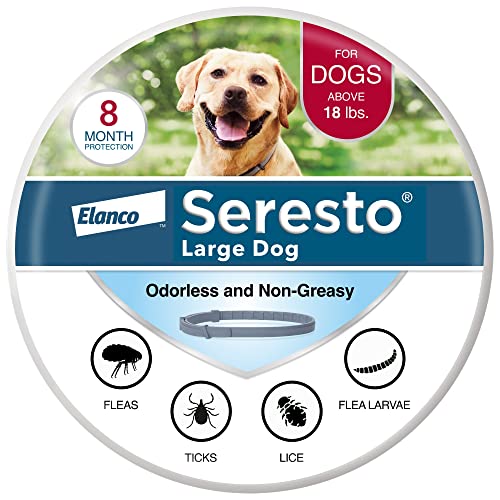
Every flea and tick product lists its active ingredients on the packaging, and it's worth actually reading them rather than assuming one product is interchangeable with another. Different products use different chemical classes, and some classes are considerably more sensitive to species and dosing than others. The label will also specify the weight range the product is formulated for, this isn't a rough guideline, it's the basis for how much active ingredient your dog is safely exposed to.
Pay attention to whether a product is labeled for dogs, cats, or both, because this is one of the most consequential distinctions on any parasite-control packaging. Some ingredients that are perfectly safe for dogs at their labeled dose are toxic, sometimes fatal, to cats even in small amounts. Never assume a "pet" product is safe for every pet in the house just because it's sold in the same aisle or by the same brand, check the species listed on that specific product.
If you're combining products, for example, a monthly oral preventative alongside a topical treatment, or a household spray alongside either, check with your vet or pharmacist first. Some active ingredient combinations are fine together, but layering products without checking can result in an unintentional overdose of overlapping ingredients, even if each product looks like a reasonable dose on its own.
Households with both dogs and cats need particular care with topical and environmental flea and tick products, because cats grooming a treated dog, or simply lying close enough to pick up residue, can be exposed to an ingredient that's unsafe for them even though it was applied correctly to the dog. After applying a topical treatment, keep the dog separated from cats and other pets until the product has fully dried and absorbed, following whatever timeframe the label specifies.
Young children are a similar consideration. Kids tend to hug, cuddle, and put their hands on a dog's fur without thinking about where a product was recently applied, so keep freshly treated dogs away from close contact with small children for the period specified on the label, and always wash your own hands after handling any flea or tick product, whether it's a topical, an oral chew, or a household spray.
Store all flea and tick products, chews, topicals, sprays, and yard treatments, out of reach of children and pets, in their original packaging with labels intact, ideally in a locked cabinet. Oral chews in particular are flavored to be palatable, which means a curious dog or a young child could be tempted to eat far more than a single dose if a package is left accessible. Dispose of empty tubes, wrappers, and containers securely rather than leaving them in an open household trash bin.
Even correctly dosed, labeled-for-species products can occasionally cause a reaction in an individual dog, and it's worth knowing what mild versus serious looks like. Mild, short-lived reactions can include temporary redness or itching at a topical application site, or brief digestive upset such as a soft stool after an oral chew. These often settle on their own, but it's still worth mentioning to your vet, particularly if you plan to use the same product again.
Signs that warrant urgent attention are different in kind, not just degree: excessive drooling, vomiting, tremors or muscle twitching, wobbliness or loss of coordination, disorientation, difficulty breathing, seizures, or collapse. These are not "wait and see" symptoms, they call for an immediate call to your vet or the nearest emergency vet clinic. Reactions can sometimes appear within hours of application or ingestion, but in some cases symptoms develop more gradually, so continue watching your dog closely for the first day or two after introducing any new product.
If you switch to a new brand or a new active ingredient, that first use is the point to watch most closely, since a dog can react differently to an ingredient class they haven't been exposed to before, even if they've tolerated other flea and tick products fine in the past.
Certain dogs also warrant extra caution regardless of the product, including very young puppies, senior dogs, dogs with existing liver or kidney conditions, and specific breeds known to be sensitive to some active ingredient classes. If your dog falls into any of these categories, check with your vet before starting a new flea or tick product rather than relying on the general label alone, since a product that's fine for the average healthy adult dog isn't automatically fine for every dog.
If you suspect your dog has ingested more than the labeled dose, swallowed an entire package of chews, licked a topical application before it dried, or gotten into a product meant for a different, larger dog or a different species entirely, treat it as urgent. Don't wait for symptoms to appear before acting, since some toxic effects take time to show and early intervention matters.
Call your vet, an emergency vet clinic, or an animal poison control hotline right away, and have the product packaging on hand so you can read off the exact active ingredients and concentration if asked. If you know roughly how much was ingested or applied and your dog's approximate weight, have that information ready too, it helps whoever you speak with assess risk accurately and quickly. Do not attempt to induce vomiting or give any home remedy unless you're specifically told to by a vet or poison control professional, since some approaches can make certain exposures worse rather than better.
This kind of situation is always a case for professional guidance rather than guesswork. General safety information can help you avoid a problem in the first place, but once ingestion or overdose is suspected, a vet or emergency animal poison control service is the right and only appropriate next step.
Go Deeper
Detailed companion guides for parasite toxicity & chemical safety.
Flea and Tick Product Safety, Avoiding Overdose and Toxicity
How to use flea and tick treatments safely: matching species and weight, never doubling products, and storing them out of pets' reach.
Signs of Flea and Tick Product Poisoning and What to Do
How to recognize a reaction to flea or tick products, drooling, tremors, vomiting, lethargy, and the immediate steps to take if you suspect poisoning.