Nails & Ears for Dogs
Comprehensive technical analysis of material density, anatomical weight distribution, Indentation Load Deflection (ILD) thresholds, and veterinary standards for nails & ears.


Recommended Products
See the full ranking →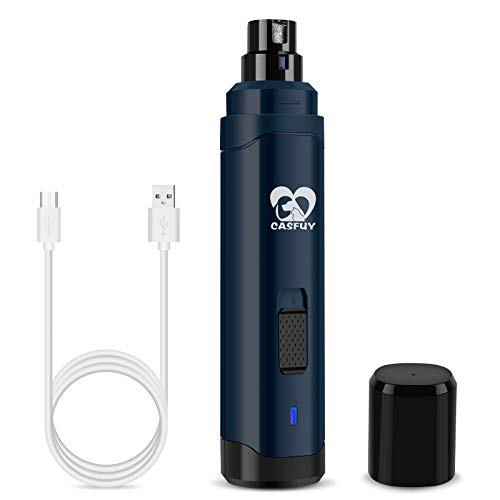

Both tools do the same basic job, shortening an overgrown nail, but they get there differently, and that difference matters for a lot of dogs.
A clipper (guillotine or scissor-style) shears through the nail in a single motion. It's fast and silent, which some dogs prefer, but each cut is somewhat all-or-nothing: once the blade closes, you can't back off mid-cut the way you can ease off a grinder. That makes it easier to cut too far in one pass, especially on dogs with dark nails where the quick isn't visible.
A grinder (rotary/Dremel-style) sands the nail down gradually. You can stop the instant the nail looks close to the quick, which gives a wider safety margin, and it leaves a smooth, rounded edge with no sharp corners to snag furniture or skin. The tradeoff is noise and vibration, the motor buzzes and the nail gets slightly warm from friction, and both of those sensations can spook a dog who has never felt them before.
Neither tool is objectively "better." Nervous, noise-sensitive dogs often do better with a quiet clipper session. Dogs who tolerate vibration fine, or who have very dark nails where precision matters more than speed, often do better with a grinder. Some owners use both: clip off the bulk of a long nail, then grind the cut edge smooth, which is exactly what the combo kits in this list are built for.
The "quick" is the blood vessel and nerve bundle that runs partway down the center of the nail. On light or white nails you can often see it as a pink line inside the nail, which makes trimming more predictable. On black or dark nails, you can't see it at all, so you're working blind and need to take smaller amounts off at a time.
Cutting or grinding into the quick hurts and bleeds, for both clippers and grinders, and it's one of the main reasons dogs learn to dread nail care if a bad experience happens early. If it does happen: stay calm, apply styptic powder (or in a pinch, a small amount of cornstarch or flour pressed firmly onto the nail tip) and hold gentle pressure for 30-60 seconds. Most quick nicks stop bleeding within a couple of minutes with firm, direct pressure. Keep a small tin of styptic powder wherever you store your grinder or clippers, it's inexpensive and you will eventually want it, even with a careful routine. If bleeding doesn't stop after several minutes of pressure, or the dog is in obvious distress, call your vet.
With a grinder, the risk profile shifts: you're far less likely to hit the quick in one motion, because you can watch the nail's cross-section change color as you grind closer and stop before you get there. That's the core safety argument for grinders over clippers, especially on dark-nailed dogs.
A standard rotary grinder isn't loud in absolute terms, but to a dog's much more sensitive hearing, the combination of a buzzing motor pressed against their paw and the faint smell of warm keratin can be genuinely unsettling, particularly for dogs with general noise sensitivity (thunderstorm or vacuum-cleaner anxiety is often a decent predictor). Grinders marketed as "whisper quiet" or built with sound-dampened motors reduce that trigger, but they don't eliminate it entirely. A quieter tool buys you an easier starting point; it doesn't replace the training step below.
Rushing nail care with a nervous dog is how you create a dog who fights nail care for years. A slower approach pays off:
This process can take days to weeks depending on the dog, and that's normal. Dogs who had one bad early clipping experience often need the slowest version of this process.
Nails that are allowed to grow long enough to touch the ground when the dog is standing change how the paw meets the floor. Instead of the paw pad absorbing weight normally, the nail pushes back up into the toe joint with every step, which can force the toes to splay and shift weight distribution up through the leg. Over months or years, this can contribute to sore feet, altered gait, and added strain on joints further up the leg. Long nails are also simply more prone to snagging and tearing, which is a painful injury in its own right. Keeping nails at a length where they don't contact the ground during normal standing is a genuine comfort and joint-health issue, not just a grooming preference.
Nail care and ear care often get bundled together because both are routine at-home grooming tasks many owners skip until there's a problem. A quick honesty check on ears: only use a cleaner made for dogs, and only clean the visible, outer part of the ear canal with a cotton ball or soft cloth, never a cotton swab pushed deep into the canal, which can pack debris further in or injure the eardrum. Over-cleaning can also irritate healthy ears, so "clean when visibly dirty or after swimming" is a reasonable default rather than a rigid schedule. If you notice a strong odor, discharge, redness, or your dog shaking their head and scratching at an ear repeatedly, that's a sign of a possible ear infection and it's a vet visit, not a bigger dose of home cleaning.
There's no single right tool here, the right pick depends on your dog's temperament, nail color, and how much you value speed versus control. Start with whichever tool matches your dog's noise/vibration tolerance, go slower than feels necessary at first, and keep styptic powder on hand regardless of which method you choose.
Go Deeper
Detailed companion guides for nails & ears.
How to Trim or Grind Dog Nails Without Hitting the Quick, A Step-by-Step Safety Guide
A step-by-step walkthrough for finding the quick, trimming or grinding safely, handling a nick, desensitizing an anxious dog, and knowing how short and how…
Dog Ear Cleaning Basics, How, How Often, and the Warning Signs That Mean More Than a Routine Clean
How to clean a dog's ears safely with the right technique and product, how often different dogs actually need it, which breeds are prone to issues, and the…