



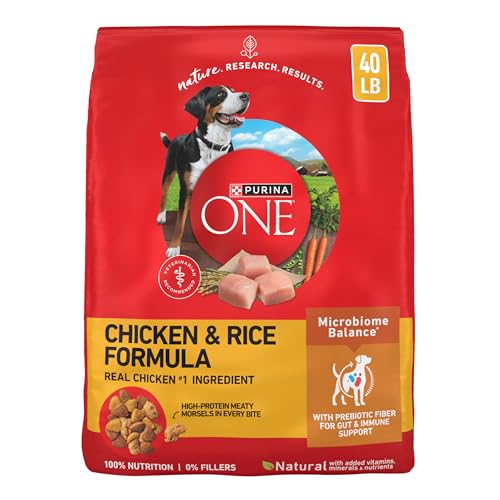
Dog food packaging is designed to sell, not necessarily to inform, and the two goals don't always point the same direction. A bag can carry glowing language about quality while the parts that actually tell you something concrete, the AAFCO statement, the ingredient list, the guaranteed analysis, sit in small print on the back. Once you know what to look for, reading a label takes about thirty seconds and tells you far more than any front-of-bag claim.
Start With the AAFCO Statement, Not the Front of the Bag
Skip the marketing copy first and find the AAFCO (Association of American Feed Control Officials) nutritional adequacy statement, usually in small print near the ingredient list or guaranteed analysis. This single sentence is the most useful thing on the entire package, because it tells you whether the food is actually formulated to meet a dog's nutritional needs, and for which life stage.
Look for wording along the lines of "[Product] is formulated to meet the nutritional levels established by the AAFCO Dog Food Nutrient Profiles for [life stage]" or "...has been substantiated using AAFCO feeding trials for [life stage]." The life stage matters: "growth" or "all life stages" formulas are formulated for puppies (and are typically fine for adults too), while "maintenance" formulas are formulated for adult dogs and aren't appropriate as a puppy's primary diet. Foods without any AAFCO statement, sometimes labeled "for intermittent or supplemental feeding only", aren't intended to be a dog's whole diet.
The Ingredient List, What Order Actually Means
Ingredients are listed by weight before processing, heaviest first. This is useful, but it has a well-known catch: a fresh meat listed first (e.g., "chicken") includes its water weight, which can push it above a lighter-weight but more concentrated ingredient like a named meal. This doesn't make the ingredient list meaningless, a food listing several specific whole-food ingredients near the top is telling you something real, just that ranking by list order alone can mislead, especially when comparing fresh meat against meal-form ingredients.
Look at the first five or six ingredients as a group rather than fixating on ingredient #1 alone. That gives a more honest picture of what the food is actually built around.
Named vs. Generic Protein Sources
This distinction is one of the more genuinely useful things to check. "Chicken meal" or "salmon meal" names a specific animal source. "Meat meal," "poultry meal," or "animal digest" doesn't specify what animal it came from, which makes it harder to know exactly what you're feeding, relevant for dogs with a suspected food sensitivity, or for owners who simply want to know what's in the bag. Named sources aren't automatically higher quality than generic ones nutritionally, but they are more transparent, and transparency is worth something on its own when you're trying to make an informed choice.
The Guaranteed Analysis, What the Numbers Do (and Don't) Tell You
The guaranteed analysis lists minimum percentages of crude protein and fat, and maximum percentages of crude fiber and moisture. It's useful for rough comparisons, but it has real limits worth knowing:
- These are minimums and maximums, not exact values, actual content can run higher (for protein/fat) or lower (for fiber/moisture) than listed.
- "Crude protein" measures total nitrogen content, not protein quality or digestibility. A food can show a high crude protein percentage from a source that's poorly digested, meaning less of it is actually usable by the dog.
- Comparing a dry food's guaranteed analysis directly to a wet food's is misleading unless you convert both to a "dry matter basis" first, since wet food's much higher moisture content dilutes the percentages. Most manufacturers won't do this conversion for you.
Marketing Terms That Sound Regulated but Aren't
A cluster of words shows up constantly on packaging and carries real emotional weight, without carrying a matching legal definition:
- "Premium," "super premium," "ultra premium", no regulatory definition. Marketing language only.
- "Human-grade", this one does have a narrow legal meaning (every ingredient and the production facility must meet standards for human food), but it's used loosely on packaging in ways that don't always meet that bar; treat the claim with some skepticism unless the brand explains how it's substantiated.
- "Holistic", no regulatory definition. Says nothing concrete about ingredients or quality.
- "Natural", has a loose AAFCO definition (generally meaning no artificial flavors, colors, or preservatives), but it's a low bar and doesn't speak to overall nutritional quality.
- "Grain-free", a real ingredient claim, but not automatically healthier; grain-free diets have been the subject of an FDA investigation into a possible link with canine dilated cardiomyopathy (DCM) in some dogs, an area still being studied. It's not a reason to avoid grain-free food outright, but it's also not a claim to choose a food based on without a specific reason, such as a diagnosed grain allergy, which is genuinely uncommon in dogs.
Putting It Together, A Quick Label-Reading Checklist
When you pick up a bag or can, in order: check the AAFCO adequacy statement and life stage first, scan the first five or six ingredients as a group, note whether protein sources are named or generic, treat the guaranteed analysis as a rough comparison tool rather than an exact spec, and read marketing terms on the front of the bag as advertising, not information. If your dog has a diagnosed health condition or you're considering a significant diet change, loop your vet in before switching, label literacy tells you what's in the bag, but your vet is the one who can tell you whether a specific food fits your dog's specific needs.