

Why this deserves its own guide
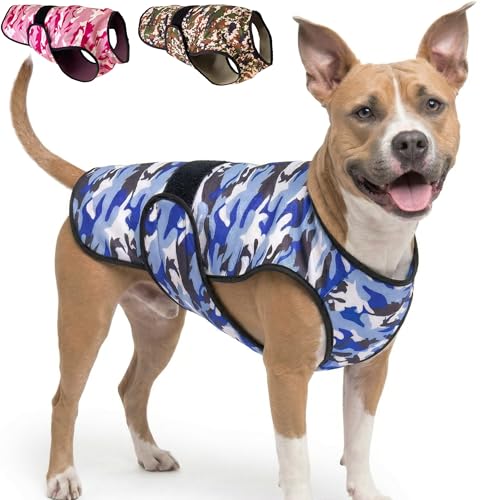
A cooling vest, shade, and water all matter, but none of them replace knowing what heatstroke actually looks like and what to do in the minutes before you reach a vet. Heatstroke is one of the few genuinely time-critical emergencies in dog ownership, the difference between recognizing it early and missing it can be the difference between a dog that recovers fully and one that suffers lasting organ damage. This guide is meant to be read before a hot day happens, not looked up during one.
Stage one, early heat stress (still reversible with rest)
At this stage the signs are easy to dismiss as normal hot-weather behavior, which is exactly why they matter. Watch for heavier panting than usual, a dog that starts seeking shade or lying down on cool surfaces unprompted, slowing down or lagging on a walk it would normally keep pace with, drooling more than typical, and gums or tongue that look brighter red than usual as blood vessels dilate to shed heat. Caught here, moving to shade, offering water, and letting activity stop is usually enough to bring a dog back to normal within a short time.
Stage two, heat exhaustion (needs active intervention)
If heat stress isn't addressed, or builds quickly during intense activity, it can progress to something more serious. Signs include thick, ropey drool rather than normal saliva, an uncoordinated or wobbly gait, vomiting or diarrhea, glassy or unfocused eyes, and a noticeably elevated heart rate you can feel through the chest wall. This stage calls for the first-aid steps below immediately, along with a same-day call to your vet even if the dog seems to be improving, internal effects aren't always visible from the outside.
Stage three, heatstroke (emergency, go to the vet now)
These signs mean stop everything else and get the dog emergency veterinary care while beginning cooling on the way: collapse or inability to stand, seizures, gums that look dark red, blue-tinged, or unusually pale, bloody vomit or diarrhea, disorientation or unresponsiveness, and body heat that feels alarmingly hot to the touch throughout the body, not just the surface. A dog's normal body temperature runs roughly 38-39.2°C (101-102.5°F); veterinary sources generally treat readings well above that, especially alongside these symptoms, as a medical emergency requiring immediate care rather than home management.
First aid, what to do in the first few minutes
First aid buys time on the way to the vet, it is not a substitute for being seen. Move the dog to shade or an air-conditioned space immediately. Apply cool water (not ice-cold) to the body, focusing on areas where blood vessels sit close to the skin: the neck, the groin and inner thighs, the armpits, and the paw pads. A fan or moving air over the wet fur speeds evaporation and meaningfully helps. If the dog is conscious and able to drink on its own, offer small amounts of cool water, don't force water into the mouth of a dog that's disoriented or struggling to swallow, since that risks aspiration. Start the drive to the vet as soon as you can rather than waiting to finish cooling first; continue cooling en route if you have a second person, or pause briefly if driving alone. Calling ahead so the clinic can prepare is genuinely useful and often overlooked.
Why ice water and ice baths are usually the wrong call
It's a common instinct to reach for the coldest water available, but very cold water and ice baths can cause blood vessels near the skin to constrict, which traps heat in the body's core rather than releasing it, and can also trigger shivering, a response that generates additional heat. Cool or lukewarm water applied to the areas above achieves faster, safer cooling than ice, and it's the approach most veterinary emergency guidance recommends.
Which dogs are at higher risk
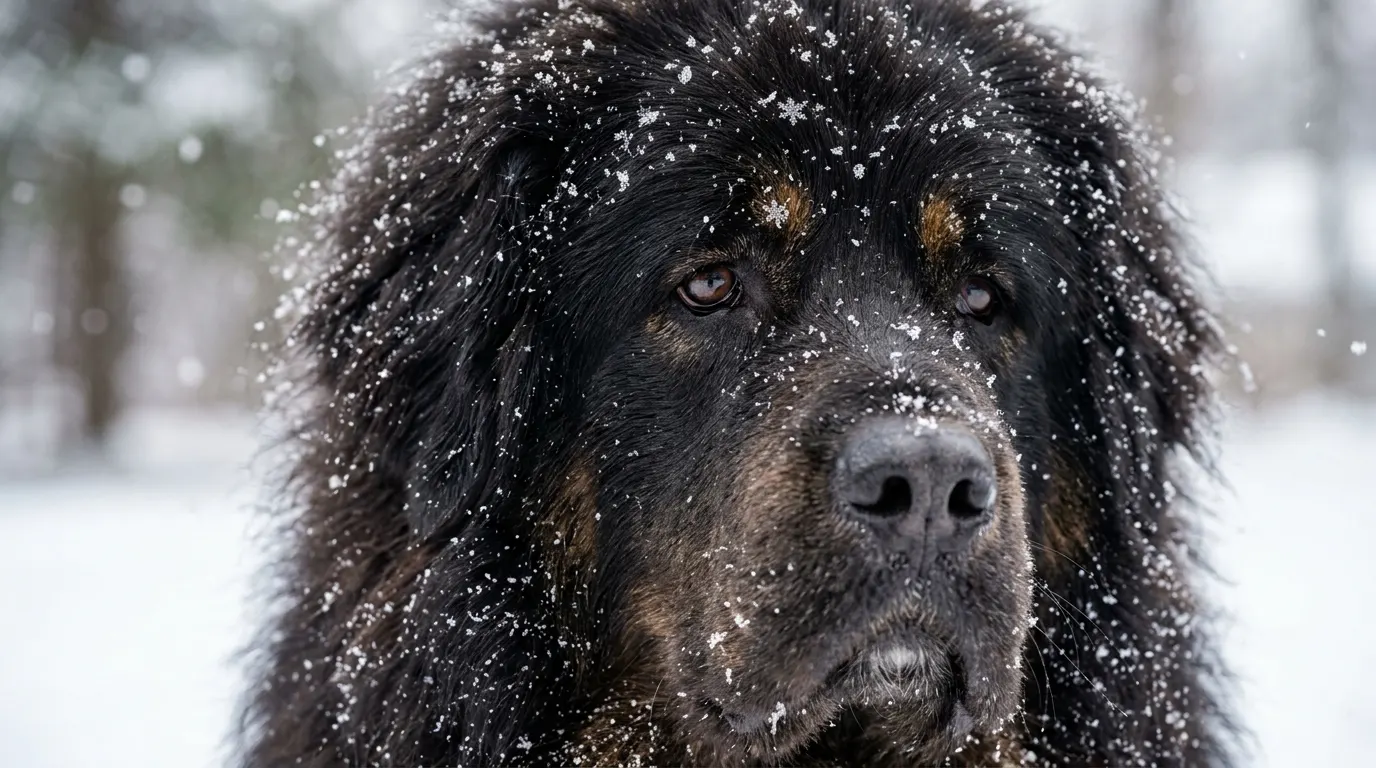
Some dogs overheat faster and with less warning than others, and knowing where your own dog sits on this list changes how cautious you need to be. Brachycephalic (flat-faced) breeds, bulldogs, pugs, boxers, French bulldogs, and similar, have airways that make panting, a dog's main cooling mechanism, less efficient. Senior dogs often have reduced thermoregulation and a higher chance of underlying heart or respiratory conditions that compound heat stress. Overweight dogs carry extra insulation and a heart that's already working harder at rest, both of which reduce heat tolerance. Thick or double-coated breeds built for cold climates can struggle in sustained heat even with normal grooming. Dogs with existing heart, respiratory, or other chronic conditions, dogs on medications that affect thermoregulation (ask your vet if you're unsure), puppies with immature temperature regulation, and any dog that hasn't had time to acclimate to a hot climate or a sudden heatwave all carry elevated risk and deserve extra caution rather than extra reliance on gear.
Prevention that goes beyond a vest
Exercise during the coolest parts of the day, early morning and evening, rather than midday sun. Test pavement with the back of your hand for five seconds before a walk; if it's too hot to hold there, it's too hot for paw pads, and no vest changes that. Always have water accessible, both during activity and at home. Never leave a dog in a parked car, even briefly, even in shade, even with windows cracked, car interiors heat far faster than most owners expect. For double-coated breeds, brush out the undercoat rather than shaving to the skin, since the topcoat also blocks direct sun; ask a groomer or vet what's appropriate for your specific breed. At home, provide real shade options, a kiddie pool or cooling mat, and don't assume a fenced yard is automatically safe on a genuinely hot day. Most of all, learn your own dog's baseline, how they normally pant, move, and behave, so you notice the early stage-one signs before they become anything more serious.