


Why Material Is the Second Decision, Not the First
Fit comes before material, a perfectly chosen fabric on a badly sized collar still rubs or slips. But once fit is sorted, material is what determines how the collar feels against the skin every single day, how it holds up to weather and washing, and how much it costs to replace. There is no single "best" material; each one trades durability, comfort, water tolerance, and price differently, and the right pick depends more on your dog's coat, activity, and skin than on any marketing claim.
Nylon, the default for a reason
Plain nylon webbing is the material most collars are built from, and it earns that position honestly. It is light, inexpensive, available in almost unlimited colours and widths, and dries faster than most alternatives after a wet walk. A single layer of flat nylon has one real weakness: on a dog with a short, fine coat who pulls or twists against the lead, the edge of the webbing can rub a bald or irritated patch over time. Padded nylon, usually a foam or neoprene lining stitched inside the webbing, solves that at the cost of holding more water and taking longer to dry after swimming, mud, or rain. For most dogs and most budgets, nylon (padded if your dog is a puller or has a fine coat) is the sensible starting point.
Leather, durability that ages instead of wearing out
Full-grain or bridle leather is the traditional alternative to nylon, and the appeal is longevity: leather does not fray the way nylon can, and a well-made leather collar generally softens and moulds to the dog's neck rather than degrading. It costs noticeably more than nylon, needs occasional conditioning to stop it drying and cracking, and is a poor match for a dog that swims often or lives somewhere humid, repeated soaking is what shortens a leather collar's life fastest. Skin-wise, leather is generally well tolerated, though a dog with a contact allergy to tanning chemicals or dyes is the exception rather than the rule. Leather suits an owner who wants a low-maintenance, long-lived collar for a mostly-dry-walking dog more than it suits a swimmer or a muddy-trail regular.
Biothane, the wipe-clean, waterproof option
Biothane is webbing coated in a polyurethane or PVC layer, and it behaves like a cross between leather's structure and plastic's indifference to water. It does not absorb moisture, does not hold odour the way fabric can after it gets wet and dries repeatedly, and wipes clean with a damp cloth instead of needing a wash. That makes it a strong pick for dogs that swim, roll in unpleasant things, or work outdoors in mud, since there is no soggy padding to dry out and nothing for smell to soak into. The trade-offs are a stiffer initial feel until it breaks in, a more limited colour and style range than nylon, and a price point closer to leather than to basic nylon.
Chain and metal-link collars, understand the risk before considering one
Chain slip collars (sometimes sold as "choke chains") and prong collars work by tightening or pinching under lead tension, and they sit in a different category from every material above because the risk comes from the mechanism, not the metal itself. Even used carefully, a slip chain can injure the trachea or oesophagus if a dog lunges hard, and it offers no built-in stopping point the way a limited-slip martingale does. We do not recommend these as a starting point for walking any dog. If a trainer has specifically prescribed one as part of a supervised program, that is a different context to buying one online and guessing; for everyday walking and for pullers, a well-fitted front-clip harness (covered in our harness fit guide) achieves the same control without the injury risk.
Rope, paracord, and waxed cotton
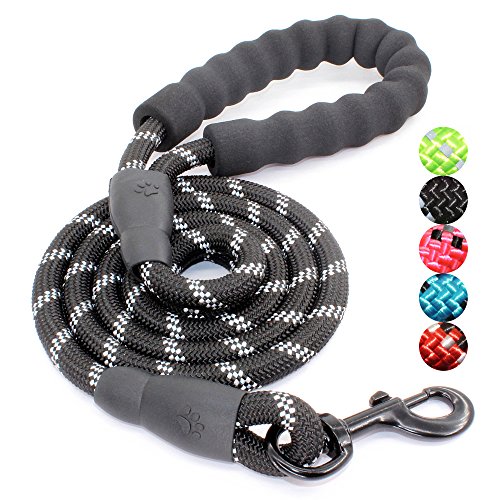
Less common but worth knowing: rope-style collars (often a soft braided nylon or paracord) are lightweight, dry quickly, and tend to be favoured for their casual look rather than any functional edge over standard webbing. Waxed cotton splits the difference between leather and nylon, it has some water resistance from the wax coating, ages with a leather-like patina, but needs re-waxing occasionally to keep that resistance up. Neither is a wrong choice; they are style variants on the nylon/leather comfort-versus-care trade-off rather than a third distinct category.
Hardware matters as much as the webbing
The buckle and D-ring are often the actual point of failure, regardless of material. A side-release plastic buckle is quick to fasten one-handed and fine for most dogs, but the plastic can crack under years of hard use or a large dog's full body weight. A metal buckle (built like a belt) is slower to fasten but stronger, and worth prioritising for big or powerful dogs over a fancier fabric choice. A welded steel D-ring resists bending better than a stamped or folded one; on a collar that will carry a lead's full pulling force, this small detail matters more than the webbing it is stitched to.
Matching material to the dog in front of you
A short-coated, average-activity dog who is not a heavy swimmer is well served by padded nylon. A dog that swims constantly, rolls in mud, or lives somewhere humid does better in biothane, which shrugs off water and odour without extra care. A dry-climate dog whose owner wants a classic look and is happy to condition leather occasionally can get years from a leather collar. A dog with sensitive or reactive skin benefits from smooth, low-friction materials, well-finished leather or biothane rather than a coarse or unpadded nylon edge, and from checking under the collar regularly for any redness. None of these are permanent decisions: collars wear out, dogs' needs change, and it is entirely normal to switch materials as a puppy grows into an adult coat or as a dog's lifestyle changes.