

What a long-line is for
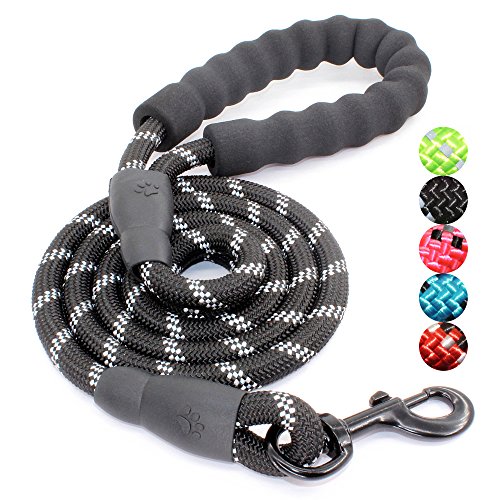
A long-line is a lightweight leash, typically 15 to 50 feet, used to give a dog room to explore, sniff, and practice coming when called while you still hold a physical connection if they don't. It sits in the gap between a standard 6-foot leash (too short for real recall practice) and full off-leash freedom (no safety net if the recall isn't reliable yet). For any dog still building a dependable recall, that gap is exactly where the training needs to happen.
Why distance matters for recall
A dog that reliably comes when called at 6 feet often has no real recall at all, they're simply close enough that the cue barely gets tested against real distraction. Recall only becomes meaningful at distance, with competing smells, other animals, and the freedom to choose not to come. A long-line lets you build that distance gradually and safely: if the dog doesn't respond, you still have a way to prevent them from bolting into a road, chasing wildlife, or approaching another dog or person who doesn't want the interaction.
Choosing a length
- 15 ft: a good starting point for a dog new to long-line work, or for practicing in a yard or smaller fenced space. Easier to manage and less prone to tangling while you're both learning the routine.
- 30 ft: the most common working length once a dog is comfortable, enough distance for real recall practice in a park or open trail without the line becoming unwieldy.
- 50 ft: useful in genuinely open spaces (large fields, beaches at quiet times) for dogs with an established recall foundation who are ready for more distance and more distraction. A 50-foot line is harder to manage cleanly and better suited to handlers who've already built the habit of managing slack with a shorter line first.
Materials
Biothane (a coated webbing) is a common choice for long-lines because it doesn't absorb water, mud, or odor the way plain nylon does, a real advantage on wet grass or muddy trails, since it wipes clean rather than needing a wash. Lightweight nylon webbing or nylon cord is cheaper and widely available but holds moisture and dirt, and can be rougher on hands over a long session. Rope-style long-lines are common too; a flatter webbing style is generally easier to gather and less likely to twist into knots mid-session than round cord.
The safety cautions that actually matter
- Never wrap the line around your hand, wrist, or any part of your body. If the dog hits the end of the line at speed, a wrap can cause rope burn, or in a harder hit, a finger or wrist injury. Hold it loosely in a loop or let it run through a gloved hand instead.
- Watch for tangling around legs, yours and the dog's. A long-line dragging on the ground is easy to trip over or step through, and a dog that circles you (chasing a scent, greeting another dog) can wrap the line around itself or you faster than it looks like it will.
- Clip to a harness, not a flat collar, for dogs that hit the end of the line hard. A sudden stop at the end of 30 feet of slack, at a dog's running speed, puts real force through whatever the line is attached to. A well-fitted harness spreads that force across the chest and shoulders; a flat collar concentrates it on the neck and trachea.
- Don't let the dog build up full running speed before the line runs out. Start recall practice at shorter distances within a length before working up to letting them range to the full extent of the line, so neither of you is caught off guard by a hard stop.
- Keep the trailing line out of other people's and dogs' path. In multi-use spaces, a long-line stretched across a trail is a hazard to cyclists, runners, and other leashed dogs, reel in extra slack when others are approaching.
- Check local leash laws before using one in a public park. A long-line is still a leash and is legal in most on-leash areas, but it isn't the same as off-leash freedom, confirm the space allows the length you're using.
A simple, humane approach to recall on a long-line
Start close and easy. Let the dog explore to the end of a short length of slack, then call their name and your recall cue in an upbeat tone, and reward generously, high-value food or a favorite toy, the instant they turn toward you, not only when they arrive. The goal is to make turning toward you, at any distance, the most rewarding option available, not to test whether they'll obey.
Let the line stay slack as much as possible rather than keeping tension on it; a taut line can become a physical cue the dog leans against, which works against the training. When the dog does come, avoid grabbing the collar immediately or ending the fun right away, a recall that always means the walk is over gets less reliable over time. Gradually increase distance and distraction level only once the shorter distance is consistently reliable, and resist the urge to repeat the recall cue multiple times if the dog doesn't respond the first time, repeating it teaches them that the first call doesn't count.
Where to practice
Open fields, quiet trails, large fenced areas, and empty beaches (checking dog-access rules) are ideal, enough space for real distance, low risk if the recall isn't perfect yet, and few entanglement hazards like fences, trees, or crowds. Avoid dense wooded areas, crowded parks, or anywhere with a lot of tree trunks and undergrowth the line can catch on.
When to move off the long-line
A long-line is a training bridge, not a permanent setup. Once a dog reliably returns on the first cue across a range of distances, distractions, and locations, not just in the backyard, that's the point most trainers consider a dog ready to progress toward supervised off-leash time in appropriate, legal spaces. Until then, the long-line is doing exactly what it's meant to: letting the dog practice real freedom without real risk.