



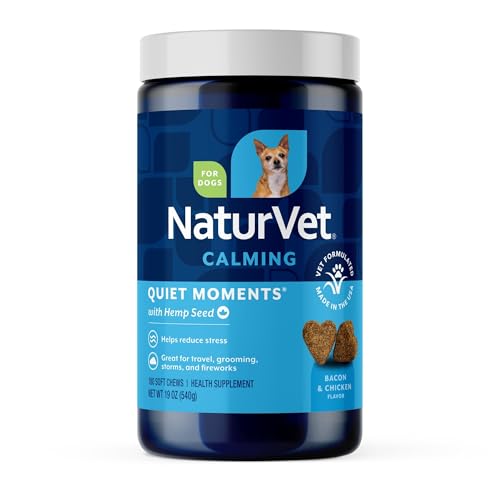
Flip over a bag of calming chews and the ingredient panel usually reads like a short, repeating list: melatonin, L-theanine, hemp, chamomile, sometimes valerian root, and almost always thiamine or L-tryptophan tucked in as a supporting player. Marketing copy tends to treat these as interchangeable "calming" ingredients, but they come from different places, work through different mechanisms, and carry different levels of evidence. Knowing what each one actually is makes it a lot easier to read a label critically instead of just trusting the word "calm" printed on the front of the bag.
Melatonin
Melatonin is a hormone, not an herb, the same hormone that regulates sleep-wake cycles in humans, used off-label in dogs. It's the single most common active ingredient in commercial calming chews, usually dosed in small amounts (typically well under 5mg per chew) alongside other ingredients. The theory behind its use in dogs is similar to its use in people: at the right dose it may promote a sense of drowsiness or settling, which is why it shows up ahead of predictable stressors like vet visits, storms, or travel.
Melatonin is generally regarded by veterinarians as having a wide safety margin at appropriate doses, but "wide safety margin" is not the same as "no cautions." It's not recommended for pregnant or nursing dogs. It can interact with certain medications, including some sedatives, diabetic medications (it may affect insulin sensitivity), and blood thinners. Dogs on any other medication or supplement should see a vet before starting a melatonin-based chew, not after.
L-theanine
L-theanine is an amino acid best known from green tea, where it's studied in humans for a calming effect that doesn't come with drowsiness, the mechanism proposed involves supporting alpha brain wave activity associated with a relaxed, alert state. In dogs, it shows up in some calming chews and in a specific class of veterinary diets and supplements marketed for anxiety support, though the research base in dogs is thinner and smaller than the human literature it borrows credibility from.
The honest framing: L-theanine has a reasonable safety profile and a plausible mechanism, but "plausible mechanism borrowed from human research" is a different claim than "proven to reduce anxiety in dogs." Treat label claims that lean heavily on human L-theanine studies with some skepticism, ask whether the product cites any dog-specific research, and don't assume human evidence transfers directly.
Hemp and hemp seed
This is the ingredient most likely to be misread on a label. Many "hemp calming chews" use hemp seed meal or hemp seed oil, which are food-grade ingredients derived from the seed of the plant and contain essentially no meaningful cannabinoid (CBD or THC) content. They're included more for general nutritional value, fatty acids, protein, than for any specific calming mechanism tied to cannabinoids.
This is a genuinely different category from hemp/CBD extract products, which are made from the flower or whole plant and do contain cannabinoids at varying concentrations. CBD-specific products for dogs are a separate market with their own (still-developing) evidence base, their own dosing considerations, and in some places, different legal status. If a product's marketing leans on the word "hemp" to imply CBD-like effects but the ingredient list says "hemp seed meal," that's worth noticing, the product is very unlikely to be doing anything a cannabinoid extract would do.
Chamomile
Chamomile is a traditional herbal ingredient, familiar from tea, that's been used for mild calming and digestive support in both humans and animals for a long time. It's generally considered low-risk at the small doses found in a chew, and it has a long history of traditional use, though that's a different standard than rigorous clinical evidence in dogs specifically.
It isn't automatically risk-free for every dog. Chamomile belongs to the ragweed (Asteraceae) plant family, so dogs with plant or pollen allergies, especially ragweed-sensitive dogs, can react to it. It can also interact with certain medications, including some blood thinners. It's a gentle ingredient by reputation, not a guaranteed-safe one for every dog.
Valerian root
Valerian shows up less often than melatonin or hemp, but it appears in some calming blends for its traditional reputation as a mild sedative herb, again drawn largely from human herbal medicine and traditional veterinary use rather than a deep well of controlled dog studies. Where it does appear, it's almost always combined with other ingredients rather than used alone.
Valerian deserves the same caution as melatonin: it can interact with other sedating medications or substances affecting the central nervous system. A dog already on a prescription anti-anxiety medication, a sedative, or certain other drugs should not be given a valerian-containing chew without a vet weighing in first.
L-tryptophan and thiamine (vitamin B1)
These two are almost never the star ingredient, they're the supporting cast, added alongside melatonin or hemp in multi-ingredient formulas. L-tryptophan is an amino acid that's a precursor to serotonin production; thiamine plays a general, well-established role in nervous system function and is also just a standard B vitamin dogs need in their diet regardless of stress levels.
Both are considered gentle and low-risk at supplement doses. Neither has strong standalone evidence as a calming agent in dogs, their inclusion is better understood as rounding out a formula than as a proven active driver of any calming effect.
Reading a label with this in mind
None of these six ingredients "treat" or "cure" anxiety in a clinical sense, and no reputable source should claim they do. The realistic, evidence-honest framing across the whole category is that these ingredients may help support a calmer, more settled state around a specific, known stressor for some dogs, not that they reliably eliminate stress, and not that they work the same way for every dog. A chew with three or four of these ingredients isn't automatically better than one with a single active; it just means more variables and more potential interactions to be aware of, which is exactly why checking the full ingredient list, not just the front-of-bag marketing word, matters before giving anything to a dog on other medications, a pregnant or nursing dog, or a dog with known plant allergies.