



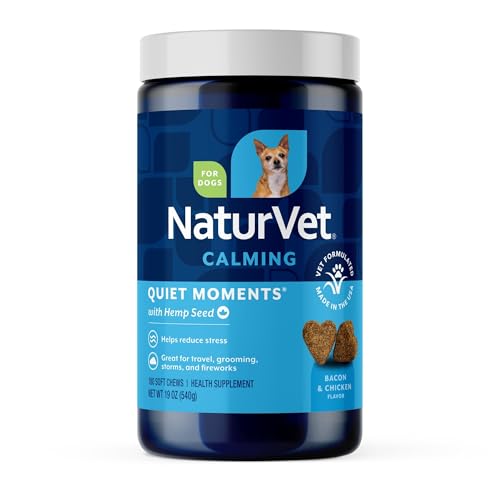
The word "anxiety" gets used loosely in dog products, and that looseness is doing a lot of work in the calming chew category. A bag of chews marketed for "stress and anxiety" sits next to a genuinely serious behavioral condition that shares the same word but needs an entirely different kind of help. Getting this distinction right matters, because treating true anxiety with only a supplement can mean months pass without a dog getting the actual care it needs.
What situational stress actually looks like
Situational stress is short, predictable, and tied to a specific, identifiable event. A few common examples:
- Car rides or air travel
- Vet visits or grooming appointments
- Thunderstorms or fireworks on a known night
- Houseguests, parties, or a busy holiday
- A short period in a crate or carrier for a specific trip
What genuine anxiety looks like
True separation anxiety and clinical/generalized anxiety are different, more serious problems, and they look different from ordinary situational nervousness. Signs that point toward genuine anxiety rather than one-off stress include:
- Panic, destructive behavior (chewed doors, torn-up furniture), or self-injury specifically when left alone, even briefly
- Extended vocalizing, barking, howling, or whining that continues well past the initial goodbye
- Toileting accidents that happen only when the dog is left alone, not otherwise
- Persistent fearfulness or reactivity across many situations, not just one predictable trigger
- Anxiety that's escalating over time rather than staying the same or improving
- A dog that can't settle even in calm, familiar environments
Why a calming chew is not the answer here
It's worth being direct about this: calming chews are not a sedative, and they are not designed or evidenced to manage true separation anxiety or a diagnosed anxiety disorder. Nothing in this category should be marketed or understood as curing, stopping, or treating anxiety, the honest claim is that certain ingredients may help support a calmer state around a specific, known stressor, for some dogs, some of the time. That's a meaningfully smaller claim than "fixes anxiety," and it's worth holding products to that lower, more honest bar rather than the one implied by packaging that puts the word "separation" front and center.
Using a calming chew as the only response to genuine separation anxiety risks something worse than just "it didn't work", it risks delaying the structured help a dog with a real behavioral condition needs, while the underlying problem continues or worsens.
What actually helps with genuine anxiety
Real separation anxiety and clinical anxiety typically need a structured plan built by a professional, which can include:
- A veterinary workup to rule out medical contributors and discuss options, since anxiety symptoms can sometimes overlap with pain, cognitive decline in older dogs, or other health issues
- A certified veterinary behaviorist or qualified trainer specializing in separation anxiety, who can build a desensitization and counter-conditioning plan tailored to the individual dog, this is often the backbone of real improvement, not a supplement
- Prescription medication, in more moderate-to-severe cases, prescribed and monitored by a vet. This is a different category from an over-the-counter chew, it requires a diagnosis, a dosing plan, and follow-up, and it's a decision that belongs with a veterinarian, not a label
Drug interaction cautions worth knowing
If a dog is already on any medication, for anxiety, for another condition, or as a general supplement, a few interaction patterns are worth being aware of before adding a calming chew:
- Melatonin can interact with certain sedatives, diabetes medications, and blood thinners.
- Valerian root, where used, can interact with other medications that affect the central nervous system, including sedatives.
- Chamomile can interact with some blood thinners and isn't automatically safe for dogs with ragweed-family plant allergies.
- Any dog already on a prescription anti-anxiety medication (such as those a vet might prescribe for separation anxiety) should not be given an additional calming supplement without that vet's input, combining sedating or serotonin-related ingredients without guidance is not a decision to make solo.
- Pregnant or nursing dogs should generally avoid melatonin and several other calming actives; check with a vet before giving any calming product during pregnancy or lactation.
The practical takeaway
Before reaching for a calming chew, it's worth asking one honest question: is this a specific, predictable, occasional event, or is this how my dog seems most of the time? If it's the former, a mild calming chew may be a reasonable, low-stakes thing to try ahead of the trigger. If it's the latter, especially if it involves panic, self-injury, or destruction when left alone, the next call should be to a vet or certified behaviorist, not to another product.