




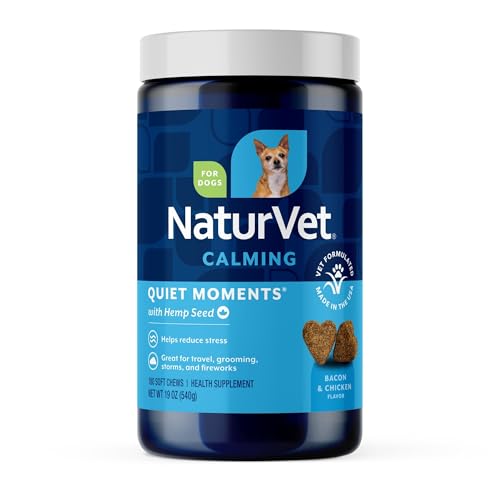
Calming Chews for Dogs, What They Can (and Can't) Do
Calming chews are one of the most-searched dog supplements online, and also one of the most misunderstood. Marketed under words like "calm," "quiet moments" and "stress relief," they sit in a genuinely mild category: soft, treat-like chews built around ingredients that may help support relaxation around a specific, known stressor. They are not medication, they are not a diagnosis-free substitute for veterinary care, and none of them "cure" or "stop" anxiety. This guide walks through what's actually in these chews, what the evidence realistically supports, and where the line sits between "give your dog a chew before the fireworks start" and "this needs a vet."
The common calming ingredients, and what they may do
Most calming chews on the market lean on a small handful of active ingredients, often combined:
Melatonin. Best known as a human sleep hormone, melatonin is the most common active in dog calming chews. It's used off-label in dogs and is generally considered to have a reasonable safety margin at appropriate doses, but it is not free of risk. It can interact with certain medications, including some sedatives, diabetes medications, and blood thinners, and it is not recommended for pregnant or nursing dogs. If your dog takes any other medication or supplement, or has a health condition, talk to your vet before starting a melatonin chew.
Hemp seed / hemp seed meal. Many "hemp calming chews" use hemp seed meal, which is a food-grade hemp ingredient with essentially no cannabinoid (CBD or THC) content. It's often included for its general nutritional profile rather than any specific calming mechanism, so it's worth not confusing it with actual hemp/CBD extract products, which are a different category with different evidence and different legal status depending on where you live.
Chamomile. A traditional calming herb used in teas and supplements for both people and animals. It's generally considered mild and low-risk, but like any herbal ingredient it's not inert, it can interact with some medications and isn't automatically safe for every dog, especially those with allergies to related plants (ragweed family).
Valerian root. Less common in mainstream chews but used in some calming blends for its mild sedative reputation. Valerian can interact with other sedatives or medications that affect the central nervous system, so it deserves the same "check with your vet if your dog is on anything else" caution as melatonin.
L-tryptophan and thiamine (vitamin B1). Frequently added alongside melatonin or hemp as supporting ingredients. Tryptophan is an amino acid connected to serotonin production, and thiamine plays a general role in nervous system function, but on their own they're considered gentle, low-risk additions rather than the main active driving any calming effect.
None of these ingredients "treat" anxiety in a clinical sense. At best, the honest framing is that they may help support a calmer, more settled state around a specific, known trigger, not that they reliably eliminate stress or fear.
Realistic expectations, situational stress vs. genuine anxiety
This is the most important distinction in the whole category, and it's one marketing copy tends to blur.
Situational stress is short, predictable, and tied to a specific event: a car ride, a vet visit, a grooming appointment, a thunderstorm, fireworks on a specific night, houseguests, or a trip in a crate. This is the use case calming chews are actually built for. Given ahead of a known trigger, a mild calming chew may take the edge off for some dogs, similar to how a cup of chamomile tea might help a person feel a bit more settled before a stressful event, not a cure, just a small assist.
Genuine separation anxiety is a different, more serious problem: a dog that panics, destroys furniture or doors, injures itself trying to escape, vocalizes for extended periods, or has toileting accidents specifically when left alone, even briefly. This is a behavioral condition, and a soft chew is not an appropriate fix for it. Real separation anxiety usually needs a structured behavior modification plan from a vet or certified veterinary behaviorist, and in more severe cases, prescription anti-anxiety medication alongside training. Reaching for a calming chew as the only intervention for true separation anxiety can mean months go by without your dog getting the help it actually needs.
The same logic applies to clinical or generalized anxiety, a dog that seems persistently anxious, fearful, or reactive across many situations, not just one predictable trigger. That pattern is worth a proper veterinary workup, not a trial-and-error supplement run.
Who should be extra careful
A handful of situations call for talking to your vet before trying any calming chew, not after:
- Pregnant or nursing dogs, most manufacturers explicitly advise against melatonin and several other calming actives during pregnancy or lactation.
- Dogs on other medications, melatonin, valerian and some herbal ingredients can interact with sedatives, certain heart or diabetes medications, and other supplements. Always mention any calming chew to your vet, the same way you'd mention any new supplement.
- Puppies, senior dogs, or dogs with existing health conditions, dosing guidance on the label is generally written for healthy adult dogs, and your vet is best placed to say whether it applies to yours.
- Dogs already showing severe anxiety symptoms, panic, self-injury, or extended distress when left alone is a sign to involve a professional, not to try another supplement first.
How to actually use a calming chew
Follow the dosing guidance printed on the product label, this guide won't recommend specific amounts, because the right dose depends on your dog's weight, the product's concentration, and your vet's input, none of which a general article can safely account for. As a rule of thumb, most situational chews are meant to be given a short window before a known trigger (for example, before a car trip or ahead of an evening with fireworks), not as a constant daily medication, unless a vet has specifically guided you otherwise. If you don't see any noticeable difference after a fair trial, or if your dog's stress is more than mild and situational, that's your cue to loop in a vet rather than trying a stronger dose or a different brand indefinitely.
Calming chews are a low-stakes, reasonably accessible tool for the mild, predictable stress most dogs experience now and then. Used with the right expectations, a gentle assist for a known trigger, not a treatment, they're a sensible thing to have on hand. Used as a substitute for real veterinary or behavioral care, they're the wrong tool for the job.