

Which Dogs Actually Need a Coat? A Breed, Body and Condition Guide
"Is it cold outside" is the wrong question. The right one is: can this particular dog's own coat and body condition handle the cold it's about to walk into? Two dogs standing on the same frosty footpath can have completely different answers, and getting that answer wrong in either direction, leaving a cold-sensitive dog bare, or zipping a cold-hardy dog into a puffer it doesn't need, causes real problems. This is a closer look at the breed traits, life stages and health factors that actually decide it.
Two coat types, two different jobs
A double coat is a built-in winter jacket: a dense, insulating undercoat trapped underneath longer, weather-shedding guard hairs. It's the same principle as a duvet, the air trapped in the undercoat is the insulation, not the hair itself. A single coat has guard hairs but little or no undercoat, so there's nothing to trap that warm air layer. That's the whole reason some breeds shrug off snow and others shiver in a light drizzle, it's structural, not a matter of toughness.
Breeds that usually keep themselves warm enough
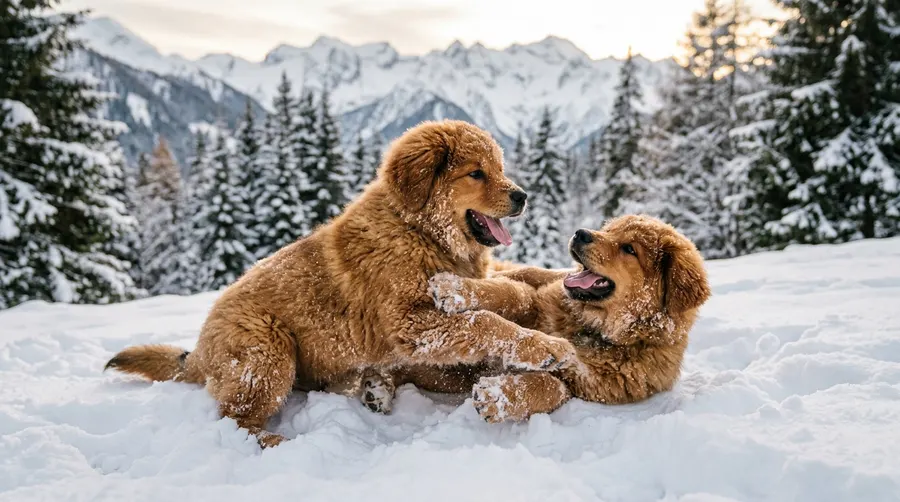
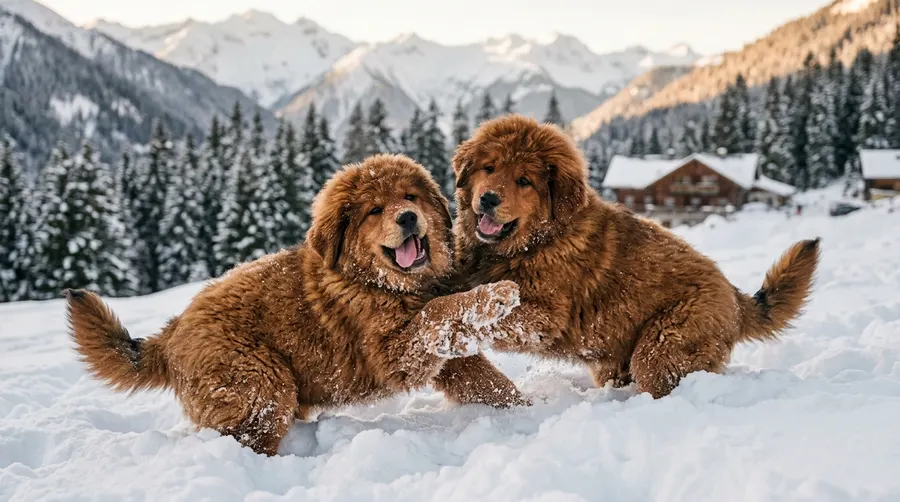
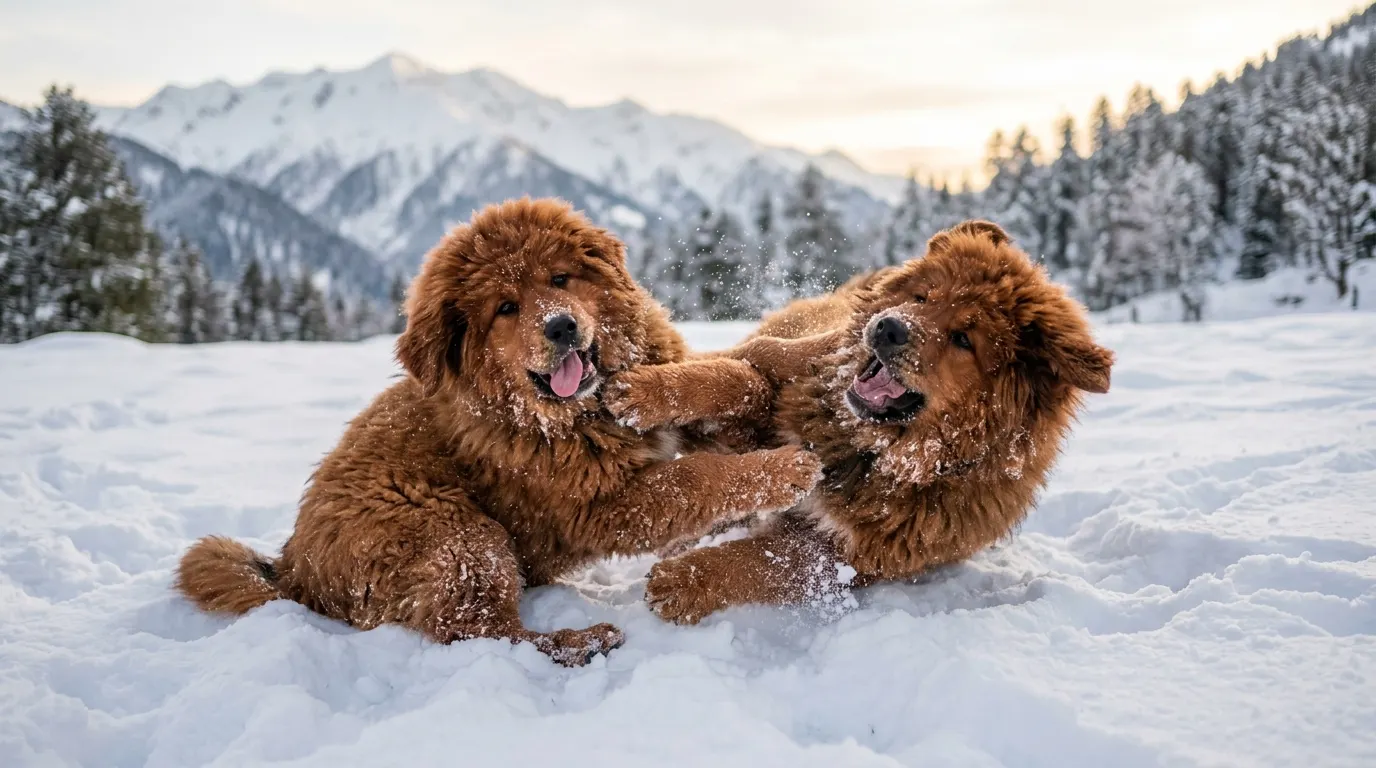
Northern and cold-climate working breeds, huskies, malamutes, Samoyeds, Newfoundlands, Bernese mountain dogs, Leonbergers, keeshonds, chow chows, most spitz types, and heavy-coated herding breeds like rough collies and German shepherds, carry a functional double coat built for exactly this weather. Putting a coat on these dogs isn't just unnecessary in most conditions; it can actively work against them. A coat flattens the undercoat's loft, reducing the air pocket that does the insulating. Fabric against fur can also trap moisture next to the skin after snow or damp walks, which is a setup for hot spots and matting. And because these breeds already run warm, an added layer during any real activity raises overheating risk.
Breeds and body types that usually need help
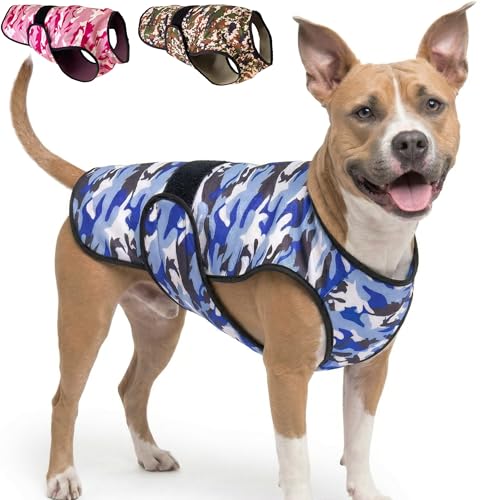
Sighthounds and other thin, single-coated breeds, greyhounds, whippets, Italian greyhounds, salukis, have almost no body fat and a coat built for speed, not warmth. Short, single-coated bully and pointer types (boxers, staffies, pit bull types, Dobermanns, pointers, vizslas) are in the same position. Toy and small breeds, chihuahuas, miniature pinschers, Yorkies, hairless breeds like the Chinese Crested or Xoloitzcuintli, lose heat fast because of a high surface-area-to-body-mass ratio, and they sit closer to cold, wet ground on every walk.
Life stage and health conditions that override the breed default
Breed is a starting point, not the whole answer. A few factors change the calculus regardless of coat type:
- Puppies haven't finished developing the ability to regulate their own temperature, and they tire faster in cold, which compounds the problem.
- Senior dogs lose circulation efficiency with age, and cold makes arthritic joints stiffer, a coat that keeps muscles warmer can genuinely help an older dog move more comfortably, not just feel cosier.
- Dogs recovering from illness, surgery, or carrying less muscle and fat than usual hold heat poorly, regardless of breed.
- Hormonal conditions such as hypothyroidism or Cushing's disease can impair a dog's ability to regulate body temperature. If you suspect an underlying condition is behind sudden cold sensitivity, that's worth a vet visit before it's a shopping decision.
- Freshly clipped or shaved dogs, after grooming, a vet procedure, or a hot-spot treatment, temporarily lose their insulating layer even if they're normally a cold-hardy breed. That gap lasts weeks while the coat regrows, and it's easy to overlook because the dog "isn't supposed to need one."
- Body condition matters as much as breed. Body fat is itself insulation, so a lean or underweight dog of a nominally cold-hardy breed may still feel the cold more than expected, while a heavier dog of a "needs a coat" breed may need less help than the breed generalisation suggests.
Activity level changes the answer too
A dog running and playing generates its own heat and may not need a coat mid-exercise even if it's normally cold-sensitive. The risk moment is right after activity stops, much like a person cooling down after a run, a dog standing around post-walk or post-play loses heat quickly once it's no longer generating it. That's often the moment a coat is most useful, even for a dog that seemed fine minutes earlier.
Reading the dog instead of the calendar
Whatever the breed chart says, the dog in front of you is the better source. Cold-stress signs include shivering that doesn't settle, a tucked tail or hunched posture, lifting paws off cold ground, reluctance to keep walking, and whining or trying to turn back toward home. Overheating in a coat looks different: heavy panting, seeking shade, trying to shrug or scratch the coat off, and general reluctance to move. Either set of signs means it's time to change the plan, take the coat off, head inside, or cut the walk short. A coat helps a genuinely cold-sensitive dog manage moderate cold; it is not a substitute for limiting time outdoors in extreme cold, wind chill, or ice, and it's not a substitute for veterinary attention if a dog seems more than just chilly.
The bottom line
Start with coat type and body size, adjust for age, health and body condition, and then let the dog's actual behaviour outdoors be the final word. A dog that's alert, moving freely and not shivering doesn't need to be dressed just because the breed chart says it should be, and a "cold-hardy" breed having a bad week, post-surgery, freshly clipped, or simply getting old, can need a coat the chart never predicted.