MyLuvDog: Honest Dog Gear Reviews & Research-Backed Care Guides
In-Depth Guide Researched & Fact-Checked

How to Measure Your Dog and Actually Get the Fit Right

A step-by-step measuring method, why brand size charts don't line up with each other, and the fix for each of the five most common coat fit problems once it…

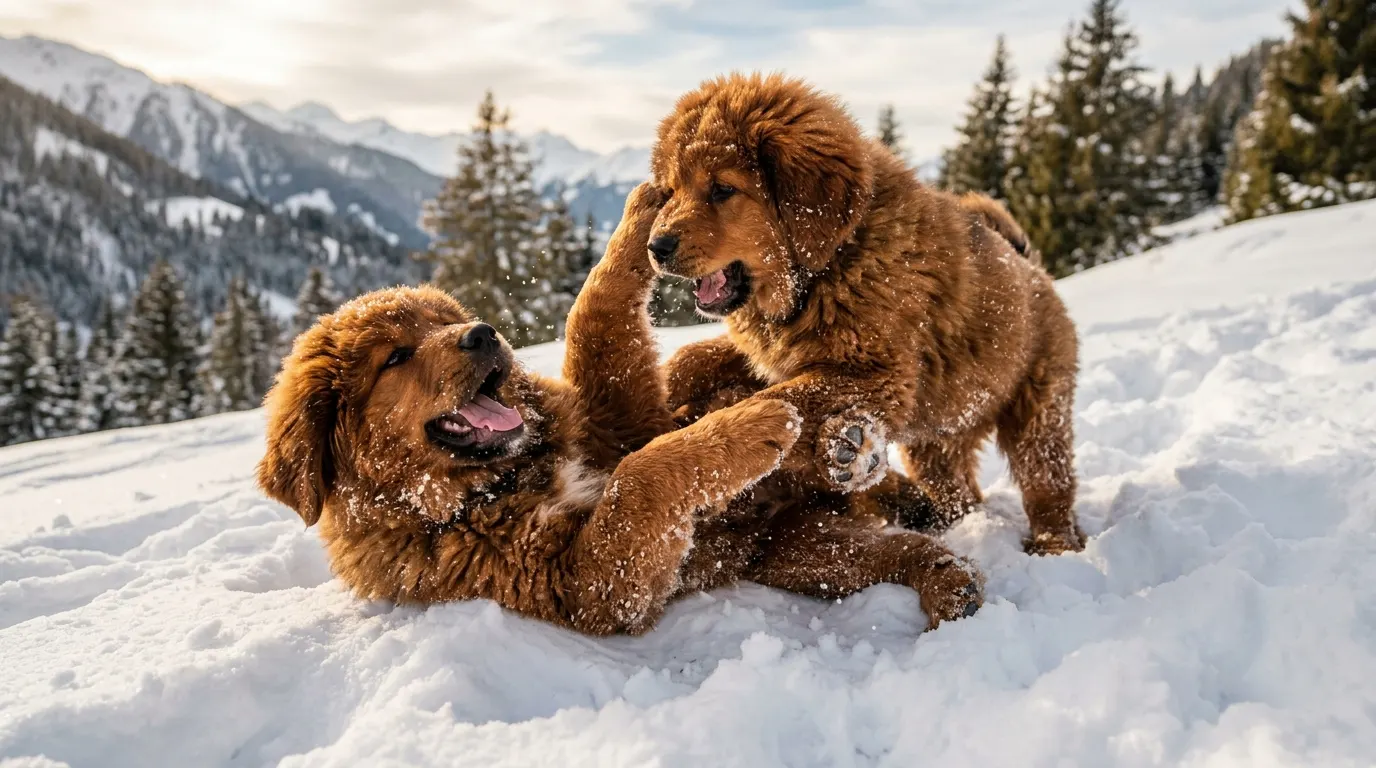
Puppies wrestling in snow — Winter Coats & Rainwear

How to Measure Your Dog and Actually Get the Fit Right

Getting a dog coat home only to find it chokes at the neck, sags at the belly, or pins the front legs together is a fit problem, not a quality problem, and fit problems are fixable with a proper measuring routine and a bit of troubleshooting once the coat arrives. This is a step-by-step method, not just the two numbers everyone quotes.

What you need before you start

A soft, flexible tape measure works best; a piece of string and a ruler is a fine substitute if that's what's on hand. Get the dog standing on a flat surface, relaxed rather than sitting, cowering or leaning, posture changes the numbers more than people expect. A second pair of hands is genuinely useful for wriggly or nervous dogs, one to hold treats and steady the dog, one to measure. Write every number down in both inches and centimetres, since coat brands mix units depending on where they're made.

The three measurements, step by step

  • Back length. Measure from the base of the neck, roughly where a collar naturally sits, not from the collar itself if it's loose, to the base of the tail. Docked tails and naturally curled tails (pugs, huskies, some spitz types) can make "base of the tail" harder to judge; use where the tail meets the body, not where the visible curl or dock ends.

  • Chest girth. Wrap the tape around the widest part of the ribcage, just behind the front legs, with the dog standing squarely on all four feet. Girth can shift meaningfully between sitting and standing, so don't measure a seated dog and assume it holds. Try to catch a natural breath rather than measuring right after a big inhale, which inflates the number.

  • Neck girth. Measure around the neck where a collar would sit, leaving room for two fingers to slide comfortably underneath, the same slack you'd want in a properly fitted collar.
  • Why "small / medium / large" doesn't work across brands

    Letter sizing has no industry standard, one maker's medium can be another's small, even for dogs of similar build. The only numbers that transfer reliably between brands are back length and chest girth in inches or centimetres, checked against that specific product's own size chart. Past experience with a breed or a previous coat from a different brand isn't a substitute for checking the actual chart on the item you're buying.

    The fit-check test once the coat arrives

    Fit isn't confirmed until the coat is on and the dog has moved in it. Use the two-finger rule at the neck and chest openings, snug enough to stay put, loose enough for two fingers to slide under comfortably. Then watch the dog walk, trot, sit and lie down for a few minutes rather than judging fit standing still. Check that leg straps or openings aren't riding up into the armpits, and that nothing drags on the ground when the dog lowers its head to sniff.

    Five fit problems, and what actually fixes each one

  • Gapping at the chest or neck. Usually a deep-chested or barrel-chested build that a straight-cut coat doesn't taper for. Tightening an adjustable strap is the first fix; if the coat has no adjustment, going down a size often chokes the neck or shoulders instead of solving the gap, a coat with more taper or a dedicated adjustable strap is the better fix than sizing down.

  • Restricted shoulder movement or a stiff, shortened gait. Usually tight armholes on a coat sized by weight rather than shape. A raglan-style cut or a wider armhole design gives more range; re-test by watching the dog walk, not just standing still in the coat.

  • Coat rides up or twists mid-walk. Usually a missing belly strap, or a leash clipping through a hole that pulls the fabric sideways. A coat with an underbelly strap or a properly placed leash port keeps it anchored.

  • Rubbing or chafing at the armpits after a few wears. Often a stiff seam or fabric edge sitting exactly where the leg meets the body. Fleece-lined or bound armholes reduce this; check the skin there after the first two or three walks in any new coat.

  • Length is wrong for toileting. Usually back length measured incorrectly relative to the dog's proportions, short-legged, long-backed breeds are the common case. Re-measure with the dog standing naturally, and for female dogs especially, check that the rear hem clears enough for squatting without dragging or catching.
  • Rainwear fit vs insulated-coat fit, different priorities

    These two jobs want different things from a fit. Rainwear should prioritise freedom of movement over snugness: a hood that doesn't block peripheral vision or flatten the ears, enough back-length coverage to cut down splash-back from wet ground, and, if boots are worn together, cuffs that don't bunch or trap water against them. An insulated coat should sit snugger, close enough to hold a warm air layer against the body without restricting movement, too loose and cold air moves freely underneath, undoing the point of the insulation.

    Rechecking fit over time

    A coat that fit in autumn doesn't automatically fit again next winter. Growing puppies should be re-measured every few weeks through their growth period, and adult dogs that have gained or lost weight, or leaned out or bulked up with age, are worth re-measuring each season rather than assuming last year's coat still works.

    The bottom line

    Measure standing, use back length and chest girth against the specific product's chart rather than a letter size or last year's coat, and confirm the fit with a real walk once it arrives, not just a glance in the mirror. Most fit complaints trace back to one of those three steps being skipped.
    Frequently Asked Questions

    As a general rule, size up rather than down, especially if the coat has adjustable straps that can take up the slack. A slightly loose coat with a tightened strap is usually more comfortable than a snug one that restricts the shoulders or chest, and it leaves room if the dog's build changes slightly with the seasons. The exception is chest girth on a deep-chested breed, if that number alone pushes you up a size while back length fits the smaller size, prioritise a brand with an adjustable chest strap over just sizing the whole coat up.

    Dogs change shape more than people expect between seasons, puppies grow, adult dogs gain or lose weight, and older dogs often lose muscle mass over time even at a stable weight. Coat fit is based on body measurements, not age or breed, so it's worth re-measuring back length and chest girth each autumn rather than assuming a coat that fit twelve months ago still does.

    Yes. Insulated coats work by trapping a layer of warm air, so they should fit snugger and closer to the body, too loose and cold air gets underneath, which defeats the purpose. Rainwear's job is to shed water while the dog moves freely, so it prioritises room at the shoulders, a hood that doesn't block vision or flatten the ears, and enough length at the back to reduce splash-back, over the closer fit an insulated coat wants.

    Continue Reading