

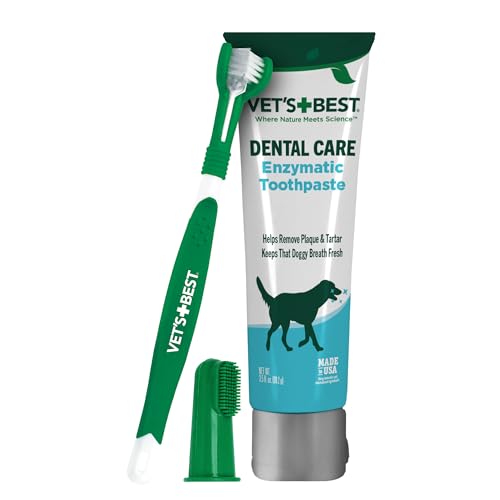

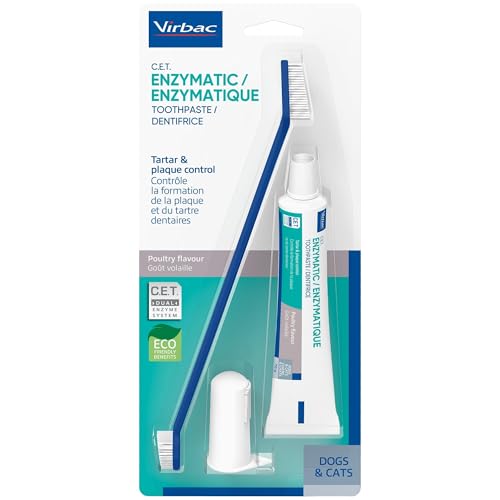
Brushing a dog's teeth sounds simple until you actually try it for the first time and end up with a wriggling dog, a tube of toothpaste going everywhere, and not much brushing happening at all. The good news is that almost any dog can learn to accept brushing if you introduce it slowly and keep sessions short and calm. This guide walks through the process from the very first step, assuming your dog has never had a toothbrush near their mouth before.
Why brushing matters, and what it does not do
Plaque starts forming on a dog's teeth within hours of eating, and if it is not disturbed it hardens into tartar within a few days. Regular brushing is the single most effective thing an owner can do at home to slow that buildup and support gum health. It is worth being clear about the limits, though: brushing at home supports dental health, but it does not replace professional veterinary dental cleanings, and it will not reverse tartar that has already hardened or treat existing gum disease. Think of brushing as daily maintenance that reduces how often your dog needs a professional clean under anaesthesia, not as a substitute for one.
The one non-negotiable, never use human toothpaste
Before you touch your dog's mouth, get the right toothpaste. Human toothpaste is not safe for dogs. Many contain xylitol, an artificial sweetener that is highly toxic to dogs even in small amounts and can cause a rapid, dangerous drop in blood sugar or liver damage. Human toothpaste also typically contains fluoride, which is meant to be spat out, not swallowed, and dogs cannot spit. Foaming agents can upset a dog's stomach too. Always use a toothpaste made specifically for dogs, sometimes called enzymatic toothpaste, which is formulated to be safely swallowed and often comes in flavours like poultry or beef that dogs actually enjoy. Never substitute baking soda or a homemade paste either; stick to a purpose-made dog dental product.
Step 1, Let your dog get used to the taste, days before you brush anything
Don't start with a toothbrush in your dog's mouth on day one. Put a small amount of the dog toothpaste on your finger and let your dog lick it off, treating it like a treat. Do this once a day for several days. The goal here is purely to build a positive association between the taste of the toothpaste and something good happening, with zero pressure around their teeth or gums yet.
Step 2, Get your dog comfortable with your fingers in their mouth
Once your dog is happily licking the toothpaste off your finger, start gently touching their gums and teeth with your finger while your hand still has toothpaste on it. Lift the lip gently and run a finger along the outside of the teeth and gumline for just a few seconds. Keep it brief, praise calmly, and stop before your dog gets fidgety. Repeat this over several more days, gradually increasing how long you touch and how many teeth you cover, always ending on a positive note.
Step 3, Introduce the brush itself
Once fingers are old news, bring in the actual toothbrush, either a soft dog-specific toothbrush, a finger brush, or a double-headed brush designed for dogs. Let your dog sniff and lick a little toothpaste off the brush first so it is not a strange new object appearing out of nowhere. Then repeat the same gentle process: lift the lip, briefly touch the brush to a few teeth, praise, and stop.
Step 4, The actual brushing technique
When your dog tolerates the brush touching their teeth, you can start proper brushing. Hold the brush at roughly a 45-degree angle to the gumline and use small, gentle circular motions, focusing on where the tooth meets the gum since that is where plaque accumulates fastest. Focus most of your effort on the outer surfaces of the teeth (the side facing the cheek), since dogs' tongues do a reasonable job of naturally cleaning the inner surfaces, and most dogs will not tolerate having their mouth held open to reach those inner surfaces anyway. Work through the mouth in sections rather than trying to do everything in one pass, especially at first. There's no need to rinse or have your dog spit; dog toothpaste is designed to be left as is.
How often to brush
Daily brushing is the gold standard and gives the most benefit, since plaque reforms quickly. If daily isn't realistic, aim for at least three to four times a week, brushing less often than that provides meaningfully less protection, though it is still better than nothing.
If your dog is fearful or won't cooperate
Some dogs, especially rescues, older dogs, or those with a past bad experience, need extra patience. Go back a step in this process if your dog seems stressed rather than pushing forward. Keep every session under a minute at first. Never pin, restrain forcefully, or force the mouth open, as this builds fear rather than tolerance and can damage trust. If your dog is muzzle-shy or growls when you approach their mouth, stop and talk to your vet before continuing; there may be existing pain or sensitivity causing the reaction, and a professional dental exam should come first. For dogs who genuinely cannot tolerate brushing even with patient training, ask your vet about other approved dental-support options, but understand that none of them work as well as consistent brushing.
A realistic expectation
It is normal for the whole process, from first taste-testing the toothpaste to a dog calmly accepting a full brush, to take several weeks. Rushing it tends to backfire. If you stay consistent, keep sessions short and positive, and never force it, most dogs come to tolerate or even enjoy their daily brushing routine.