



Dental disease is one of the most common health problems in dogs, and it is also one of the easiest to miss, because dogs are experts at hiding pain and most of us don't look inside our dog's mouth very often. By the time obvious symptoms show up, the disease has often been progressing quietly for a while. Knowing what to look for, and understanding that it gets worse over time if left alone, is what makes early action possible.
What periodontal disease actually is
Dental disease in dogs usually starts the same way it does in people: plaque, a soft film of bacteria, builds up on the teeth. If it is not removed, it hardens into tartar (also called calculus) within days. Tartar irritates the gums, causing inflammation known as gingivitis. Left untreated, that inflammation can progress into periodontal disease, where the infection moves below the gumline, damaging the tissue and bone that hold teeth in place. This is a progressive condition, it does not resolve on its own, and it tends to get steadily worse, not better, without intervention. It's also extremely common, particularly in dogs past middle age and in smaller breeds who are more prone to crowded teeth.
The early signs, easy to miss, worth checking for
Bad breath. A small amount of "doggy breath" is normal, but breath that is genuinely foul, persistent, or has gotten noticeably worse is one of the earliest and most reliable signs of a developing dental problem. It's caused by the same bacteria driving the plaque and gum inflammation, so don't write it off as just a dog thing.
Visible tartar. Take a look at your dog's back teeth, particularly the upper molars near the cheek. Tartar shows up as a yellowish-brown, crusty buildup along the gumline. A small amount of light tartar is common; heavy, thick buildup covering much of the tooth is a sign that it's time for professional attention.
Red or swollen gums. Healthy gums are a consistent pink and lie flat against the teeth. Gums that look red, puffy, or inflamed, especially right where the tooth meets the gum, indicate gingivitis, the earliest stage of gum disease.
The signs that mean it has progressed further
Bleeding gums. Noticing blood on chew toys, in the water bowl, or on your dog's toys is a sign the gums are inflamed enough to bleed, which usually means gingivitis has been present for a while.
Receding gums or visibly loose teeth. As periodontal disease damages the tissue and bone supporting the teeth, gums can pull back and teeth can become wobbly or fall out entirely. This is a clear sign of advanced disease and needs veterinary attention, not home care.
Pus or discharge, or a bump under the eye. In more severe cases, an infected tooth root can form an abscess. A swelling under the eye is a classic sign of an infected upper carnassial tooth root and needs prompt veterinary treatment.
Pain signals, what to watch for in behaviour
Dogs are good at masking dental pain, so behavioural changes matter as much as what you can see in the mouth. Watch for:
- Reluctance to eat hard kibble or chew toys they used to enjoy, or eating more slowly and carefully
- Chewing only on one side of the mouth
- Dropping food while eating
- Pawing at the face or rubbing the mouth on furniture or the floor
- Reduced interest in play involving the mouth, like tug
- General grumpiness, withdrawal, or reluctance to be touched near the head
Where home care fits, and where it stops
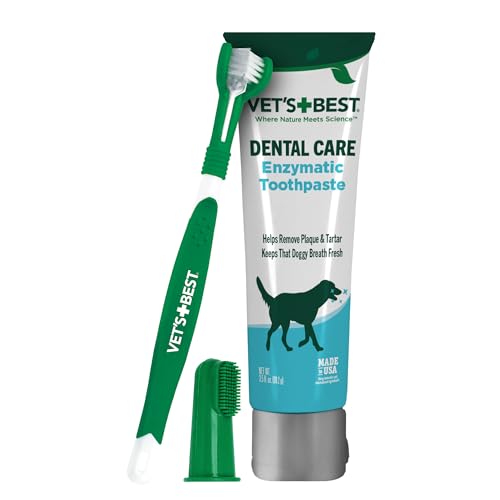
Daily brushing with a dog-safe toothpaste, along with dental chews and toys designed to help mechanically reduce plaque, genuinely helps slow the buildup of plaque and tartar and supports overall gum health. That's a real, worthwhile thing to do. But it's important to be honest about what home care can and cannot do: it supplements dental health, it does not replace professional veterinary cleanings. Once tartar has hardened onto the tooth, brushing cannot remove it, and once periodontal disease has set in below the gumline, only a professional cleaning under anaesthesia, which allows for a full assessment and cleaning below the gumline plus dental X-rays where needed, can properly treat it. Regular home care combined with the cleaning schedule your vet recommends is the combination that actually protects your dog's teeth long-term.
When to book a vet visit
Don't wait for the worst symptoms. Book a check-up if you notice persistent bad breath, visible tartar buildup, red or bleeding gums, any change in eating or chewing habits, pawing at the mouth, or any swelling on the face. Many vets also recommend a dental check as part of routine annual wellness visits, even with no obvious symptoms, since early gingivitis is often only reliably caught by a professional look, and sometimes X-rays, at the mouth. Catching dental disease early is far easier on your dog, and usually far less costly, than treating it once it has progressed.