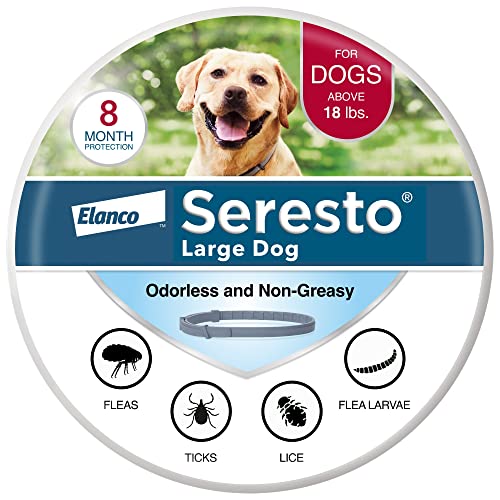

Reactions Can Happen Even With Careful Use
Most dogs tolerate flea and tick products without any problem, especially when the product matches their species and weight and only one product is used at a time. But reactions and poisoning can still occur, from an unexpected sensitivity, a product applied incorrectly, accidental over-exposure, or a mistake like using the wrong product. Knowing what a reaction looks like, and what to do the moment you spot one, can make a real difference in how quickly your dog recovers.
Signs to Watch For
After applying any flea or tick product, topical, oral, or collar, keep an eye on your dog for the following, especially in the first few hours:
- Drooling or hypersalivation beyond the brief, mild drooling some dogs show right after tasting a topical product on their coat
- Tremors, twitching, or muscle shaking anywhere on the body
- Vomiting, especially repeated or combined with other symptoms
- Lethargy or wobbliness, unusual tiredness, stumbling, or trouble standing
- Skin reaction at the application site, redness, swelling, hair loss, or visible irritation where a topical was applied
- More severe signs, including seizures, disorientation, or difficulty breathing
What to Do Right Away
If you notice any of these signs, don't wait to see if they pass on their own. Act right away:
When It's an Emergency, Not a Wait-and-See
Seizures, collapse, significant difficulty breathing, or a dog that seems disoriented or unresponsive are signs of a serious reaction, get to your vet or the nearest emergency animal hospital right away rather than calling first if your dog is in acute distress. For milder signs like a small patch of skin irritation or brief drooling, a phone call to your vet or poison control is still the right first step, so they can tell you whether home monitoring is enough or your dog needs to be seen.
Reducing the Risk of a Reaction
The most common causes of flea and tick product poisoning are avoidable: using a dog product on a cat, using the wrong weight-band product, or combining multiple products without checking with a vet first. Following the label exactly, buying species- and weight-appropriate products, and asking your vet before introducing anything new all lower the odds you'll ever need to use the steps above. But if a reaction does happen, knowing to bathe off the product, remove the source, and call for professional guidance right away, rather than waiting, gives your dog the best chance at a fast, uneventful recovery.
Why Calling Right Away Matters
It can be tempting to wait a little while and see whether symptoms settle down on their own, especially if your dog seems only mildly uncomfortable. But with pesticide-related reactions, symptoms can escalate faster than they resolve, and the sooner a vet or poison control specialist knows what product was used and what your dog is showing, the sooner they can tell you whether this is something to manage at home under guidance or something that needs an in-person exam. Keep a pet poison control line's number saved in your phone alongside your regular vet's number, so you're not searching for it in the moment. There is no such thing as calling "too early" about a suspected reaction, only calling too late.
The Bottom Line
A reaction to a flea or tick product is not something to monitor quietly from a distance. If you see drooling, tremors, vomiting, lethargy, or skin irritation after using one of these products, bathe off any topical residue, remove the source, and call your vet or a pet poison control line immediately. Quick action is what turns a scary moment into a manageable one.