
Why Correct Product Use Matters
Flea and tick preventives, topical spot-ons, oral chews, and collars, are some of the most effective tools for protecting a dog from parasites and the diseases they carry. They are also concentrated pesticide or insect growth regulator products, and the line between "effective dose" and "toxic dose" is real. Most reactions and poisonings trace back to a handful of preventable mistakes: wrong species, wrong weight, or stacking more than one product at once. Getting the basics right every single time is what keeps these products safe.
Match the Product to the Right Species
This is the single most important safety rule in flea and tick prevention: never apply a dog-labeled flea or tick product to a cat. Many dog topicals contain permethrin or other pyrethroid compounds at concentrations that are safe for dogs but can be fatal to cats, whose bodies process these compounds very differently. Cats can develop severe tremors, seizures, and life-threatening reactions from exposure to permethrin-based dog products, including from grooming a treated dog and ingesting residue, or from a product being applied to them by mistake. If you have both dogs and cats in the house, buy species-specific products, store them separately, and keep treated and untreated pets apart until the product has fully dried. If a cat is ever accidentally exposed to a dog product, this is an emergency, contact your vet or a pet poison control line immediately rather than waiting to see if symptoms appear.
Match the Product to Your Dog's Weight
Flea and tick products are dosed in weight bands for a reason. A product formulated for a 5-15 lb dog is not simply a smaller version of the one made for a 45-65 lb dog, the concentration is calibrated to that weight range. Don't estimate your dog's weight; weigh them, or ask your vet, especially if they're near the edge of a bracket. Never split an adult-size dose for a small dog to "make it stretch," and never round up to a larger size "just to be safe", both directions can cause problems, from under-protection to toxicity. Puppies and very small or toy-breed dogs are particularly sensitive, and many products carry a minimum age and weight cutoff on the label for exactly this reason.
Never Double Up on Products
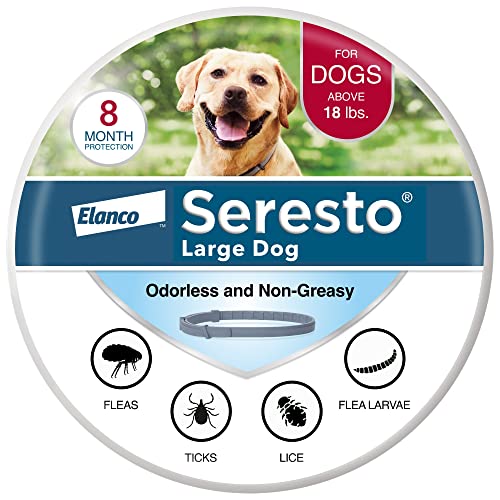
A common and dangerous mistake is layering multiple flea and tick products at once, for example, applying a topical spot-on while a flea collar is already in place, or giving an oral preventive on top of a topical without checking whether their active ingredients overlap. Stacking products, even ones that seem "extra safe," can push a dog into overdose territory, particularly with pyrethroid-based ingredients. If you want to switch products, or you're considering combining a preventive with something else (like a medicated shampoo or a separate tick treatment), ask your vet first. They can confirm whether the combination is safe or whether you need to wait out the current product's effective window before starting a new one.
Read the Label Every Time
Formulations change, package sizes change, and it's easy to grab a product on autopilot. Before every application, take a moment to actually read the label: confirm it's labeled for dogs (not cats or "multi-species"), check the weight range, note the minimum age, and follow the exact application instructions, where to apply it, how much to use, and how long to keep pets separated afterward. Labels also list precautions for pregnant or nursing dogs, senior dogs, and dogs with known health conditions like epilepsy; if any of these apply to your dog, loop in your vet before using a new product, even one you've used safely on another dog.
Store Products Safely
Keep all flea and tick products in their original, labeled containers, well out of reach of pets and children, not in a bathroom cabinet a curious dog can nose open, and not loose in a drawer where packaging gets separated from the product. Don't store them near pet food or treats, since accidental ingestion of a topical product is a real risk if it's mishandled. Dispose of used applicators promptly and out of reach, since residual product can remain on the packaging.
When to Ask Your Vet First
If your dog is a puppy, senior, pregnant or nursing, underweight, or managing a chronic health condition, treat "check with the vet" as a standard step before starting any new flea or tick product, not an optional extra. The same goes for multi-pet households mixing species, or any situation where you're unsure which weight band applies. A quick call is far easier than managing a preventable reaction.
The Bottom Line
Flea and tick preventives are safe and effective when the product matches the species and the weight, when only one product is used at a time, and when it's stored and applied exactly as labeled. Most toxicity cases are avoidable with these basic checks, so make reading the label and confirming "right pet, right size, right product" part of your routine every time.