

Walk down the flea and tick aisle, or scroll a vet clinic's online store, and you'll find the same basic protection sold three different ways: a chew, a spot-on liquid, and a collar. They're not interchangeable versions of the same thing, each delivers the active ingredient differently, works on a different timeline, and suits different dogs and situations. None of this is a reason to pick one over another on your own without guidance; it's context for the conversation you have with your vet about what fits your dog's health, lifestyle, and any other medications they're on.
Oral Chews, Absorbed Into the Bloodstream
Oral flea and tick preventatives are swallowed, digested, and absorbed into the bloodstream. When a flea or tick bites your dog, it ingests a small amount of blood containing the medication, which then affects the parasite's nervous system. Because the active ingredient works from inside the body outward, oral products aren't washed off by bathing, swimming, or rain the way a surface-applied product can be, a genuine practical advantage for dogs that swim often or get bathed frequently.
Most currently available oral flea and tick chews use a drug class called isoxazolines. They're generally described as fast-acting against fleas, and many are labeled to also kill certain tick species within hours of attachment, which can reduce (though not guarantee zero) risk of tick-borne disease transmission compared to a tick that stays attached for days. Protection windows vary by product, commonly monthly, with a small number of products labeled for longer stretches, and dosing is typically once monthly regardless.
Most isoxazoline oral products are prescription-only, meaning a vet needs to evaluate your dog and dispense or authorize it. That's not just a sales formality, it's the point in the process where your dog's health history, current medications, and any seizure history get factored in before you start giving a systemic medication.
Topical Spot-Ons, Applied to the Skin
Topical (spot-on) products are applied directly to your dog's skin, usually between the shoulder blades and sometimes at additional points along the back for larger dogs. Depending on the specific product, the active ingredient either spreads across the skin's surface via the coat's natural oils, or is absorbed through the skin into the bloodstream, some products work through a mix of both mechanisms. This matters practically: a product that sits mostly on the skin surface can be less effective if a dog is bathed or swims soon after application, while one that's absorbed is less affected by water exposure once it's had time to fully absorb.
Topicals as a category include both prescription and over-the-counter options, and the range of active ingredients is broader than oral chews, some target fleas only, others cover fleas, ticks, and additional parasites like mosquitoes or mites. Duration is commonly monthly. Application technique matters more than people expect: applying to the wrong spot, or a spot your dog can lick, reduces effectiveness and is itself a safety consideration your vet or the product label will address.
Collars, Slow, Sustained Release
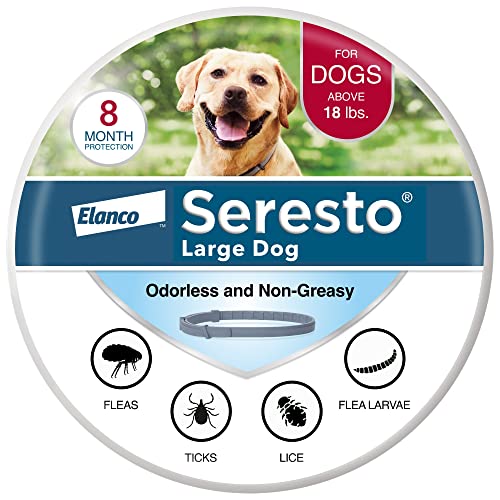
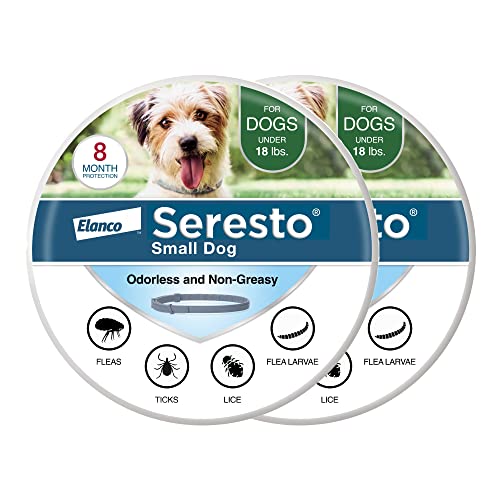
Flea and tick collars work by slowly releasing active ingredients that distribute across the skin and coat over an extended period, commonly several months, with some products labeled for up to around eight months of continuous protection. Because the release is gradual, collars often take longer than oral or topical products to reach full effectiveness after first being put on, and some manufacturers note a startup period before protection is at its strongest.
Collars tend to be a convenient option for dogs where monthly dosing is hard to keep track of, but they come with their own considerations: fit matters (too loose and a dog can chew or remove it; too tight is a comfort and safety issue), and they need to stay on continuously to maintain protection, which isn't practical for every household or every dog's temperament.
The Isoxazoline Safety Note, Stated Plainly
Because isoxazoline-class products (used in a number of oral chews, and in some topical products) are so widely prescribed, it's worth knowing that the FDA has issued communications noting that some dogs receiving isoxazoline products have experienced neurologic adverse events, including muscle tremors, incoordination (ataxia), and seizures, even in dogs with no prior history of seizures. The FDA's position isn't a recall or a statement that these products are unsafe for most dogs; it's a flag that these reactions have been reported, and that dogs with a seizure history or neurologic conditions may warrant extra discussion before starting one.
This is exactly the kind of detail to raise directly with your vet, particularly if your dog has ever had a seizure, a neurologic diagnosis, or an unusual reaction to a medication before. It's not something to self-assess from a product label or a general article, your vet has visibility into your dog's full medical history that a label doesn't.
The Actual Takeaway
Oral, topical, and collar preventatives aren't ranked best-to-worst, they're different delivery systems with different tradeoffs around speed, water resistance, dosing convenience, and formulation. Which one is right depends on your dog's weight, age, health history, other medications, lifestyle (swimming, bathing frequency, contact with other animals), and your own ability to apply or administer it correctly and on schedule. That's a conversation for your vet, not a decision to make from a comparison chart alone, especially given that these are pesticide and medication products, not grooming accessories.