

Flea and tick preventatives are effective, widely used, and, for the great majority of dogs, safe when used correctly. "Used correctly" is doing a lot of work in that sentence, though. These are pesticide and medication products, and most of the safety incidents that make the news trace back to a handful of preventable mistakes: wrong weight band, wrong species, or ignoring early signs of a reaction. None of this is meant to make preventatives sound riskier than they are, it's meant to make the handful of things that actually matter clear.
Match the Product to Your Dog's Actual Weight
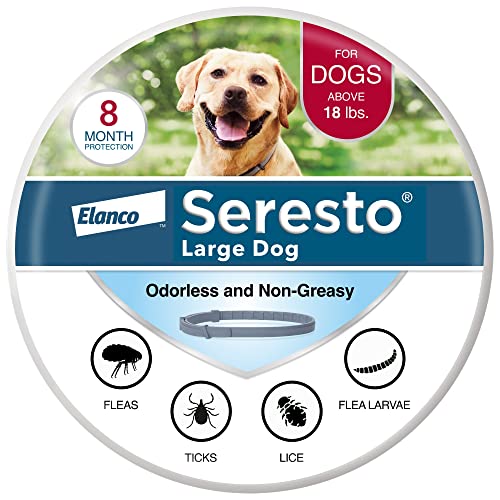
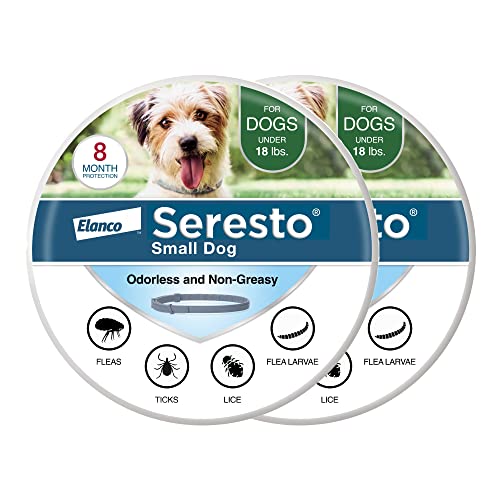
Flea and tick products are formulated and dosed in weight bands, for example, a range like 23-44 lbs, because the concentration of active ingredient is calculated against body weight. Giving a product formulated for a heavier weight band to a smaller dog risks overdosing; giving a product formulated for a lighter band to a larger dog risks underdosing, which can mean incomplete protection.
A few practical points that trip people up:
- Weigh your dog on an actual scale, not by estimate, especially for puppies and dogs near the edge of a weight band. Vet clinics will weigh your dog at any visit if you're unsure.
- Re-check the weight band as puppies grow. A product sized correctly at 12 weeks may be the wrong band by 6 months, this is a common gap, especially with larger-breed puppies that grow quickly.
- If your dog is exactly on the line between two weight bands, ask your vet rather than guessing up or down yourself.
Never Use a Dog Product on a Cat
This is the single most important safety rule in this category, and it bears repeating plainly: never apply a dog flea or tick product to a cat, even in a small amount, even "just this once," and even if the packaging looks similar. A number of active ingredients used safely in dog-specific products, permethrin is the best-documented example, are highly toxic to cats and can cause severe, sometimes fatal, reactions. Cats lack certain liver enzymes dogs have that metabolize these compounds safely, so what's a normal dose for a dog can be a poisoning event for a cat.
This matters even in multi-pet households where a dog and cat live closely together, some topical products carry warnings about keeping treated dogs separated from cats in the household for a period after application, because cats can be exposed just from close contact or grooming a treated dog. If you have both dogs and cats, read the label's cat-contact warnings specifically, and ask your vet how to manage application safely in a mixed household.
Follow the Label, and Your Vet, Not a General Rule of Thumb
Every flea and tick product's label reflects testing specific to that formulation: correct weight bands, minimum age, application method, and re-dosing interval. A general sense of "about once a month" from a different product, or a habit carried over from a previous dog, isn't a substitute for reading the actual label of the product you're using. If your vet has prescribed or recommended a specific product, follow their instructions over anything printed on packaging for a different brand or anything read online, since your vet's guidance accounts for your individual dog.
This also applies to puppies and senior dogs. Many products have a minimum age and/or minimum weight before they're approved for use, and very young puppies in particular may need a different approach than an adult dog. Pregnant or nursing dogs are another situation where product choice should go through your vet rather than a default "whatever's on the shelf" decision.
Year-Round vs. Seasonal Protection
Whether your dog needs protection all year or just during warmer months depends heavily on where you live. Fleas and some tick species can survive indoors and in sheltered outdoor spots through cold weather, and in many climates ticks are active across a wider temperature range than people assume, some tick species remain active into cool weather that feels well past "tick season" by casual assumption. Rather than guessing based on the calendar, ask your vet what makes sense for your specific region and your dog's lifestyle (how much time outdoors, exposure to wooded or grassy areas, contact with other animals). Many vets in flea/tick-endemic regions recommend year-round protection specifically because gaps in coverage are when infestations and tick attachments tend to happen.
What to Do If You See a Reaction
Most dogs tolerate flea and tick preventatives without any issue, but knowing what a reaction can look like, and acting on it, matters. After giving or applying a preventative, watch for:
- Excessive drooling, vomiting, or loss of appetite shortly after dosing
- Skin irritation, redness, or hair loss at a topical application site
- Lethargy, wobbliness, tremors, or unusual behavior
- Any signs of a seizure, even a brief one
The Short Version
Get the weight band right, get the species right (never a dog product on a cat), follow the specific label and your vet's guidance rather than a general habit, ask your vet whether your region calls for year-round or seasonal use, and treat any reaction beyond mild, brief irritation as a reason to call your vet, not something to wait out. None of this is complicated, but skipping any one of these steps is where most preventable problems come from.