



Why the House Itself Isn't Enough
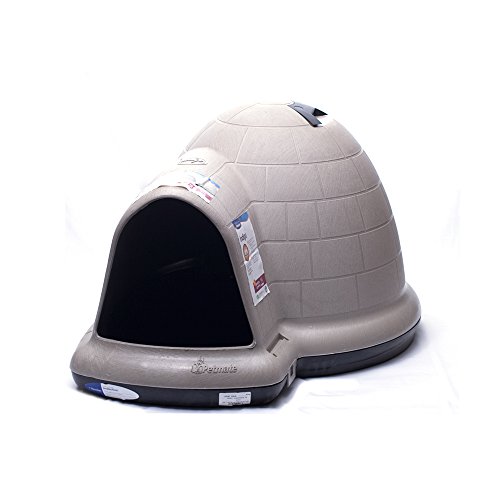
A dog house only works as shelter if it actually holds warmth in winter and lets heat escape in summer. Straight out of the box, most plastic and wood houses do neither particularly well, they're a windbreak and a roof over the rain, not a climate-controlled space. Insulation, sealing, and positioning are what turn a basic box into something that actually protects a dog through a real winter night or a 95°F afternoon.
Before anything else: an outdoor house is a supplement to shelter, not a replacement for it. Dogs are, by nature, social animals that do best sleeping indoors with their family. An outdoor house is appropriate for supervised daytime use, a safe retreat during nice weather, or short stretches when a dog is realistically already suited to spending time outside, never as the sole shelter through severe cold, heat, storms, or overnight in freezing or dangerously hot conditions. Extremes of temperature can be fatal to a dog left without another option, and many areas have local laws restricting how long a dog can be left outdoors or requiring specific shelter standards, check your city or county ordinances before relying on an outdoor house as primary housing.
Insulating for Winter
Choose or add real insulation. Some houses have double-wall or foam-core construction built in; others are a single layer of plastic or wood that insulates poorly on its own. If your house is single-wall, rigid foam board (the kind sold for home insulation) cut to fit inside the walls and roof adds a meaningful barrier, just make sure it's fully covered by an interior panel or thick bedding so it can't be chewed or ingested.
Size the interior correctly. This matters more for warmth than almost anything else. A dog house that's too large forces a dog to heat a bigger volume of air with body heat alone, so the space stays colder. The right winter size is snug: room to stand, turn around, and lie down stretched out, but not so much extra room that body heat dissipates before it can build up. If you're deciding between two sizes, the smaller one that still fits your dog comfortably is usually the warmer choice.
Raise the floor off the ground. Cold and moisture move up through direct ground contact, and a house sitting flush on frozen or wet soil loses heat fast. A raised floor, built-in feet, a pallet base, or bricks/blocks under the corners, creates an air gap that dramatically cuts heat loss through the floor. Add a layer of thick bedding (straw is a traditional and effective choice because it insulates even when it gets slightly damp; blankets and towels are not as good outdoors because they hold moisture against the dog).
Add a door flap or windbreak. An open doorway lets warmth escape and wind blow straight in. A heavy vinyl or rubber flap, or even a hanging piece of thick fabric, cuts drafts substantially while still letting the dog come and go freely. Some owners build a small L-shaped entry (an offset entrance rather than a straight doorway) so wind can't blow directly into the sleeping area, this is one of the more effective low-cost weatherproofing changes you can make.
Heating, proceed carefully. Heated pet mats and outdoor-rated heating pads exist and can help in genuinely cold climates, but only use products specifically designed and rated for outdoor pet use, keep cords out of reach of chewing, and never use a space heater, heat lamp, or any indoor-only electrical device in a dog house, the fire risk and burn risk are serious. If you're not confident a heating product is safe for unsupervised outdoor use, skip it and rely on insulation, bedding, and a smaller, well-sealed space instead.
Weatherproofing and Cooling for Summer
Ventilation is non-negotiable in heat. A sealed, insulated box that's great in winter can become an oven in summer if there's no airflow. Look for houses with vents near the roofline (hot air rises and needs somewhere to escape) or add small vents yourself. Cross-ventilation, an opening on more than one side, helps air actually move through rather than just sitting stagnant.
Reflective or light-colored roofing. Dark roofs absorb heat and radiate it straight down into the interior. A light-colored roof, or a reflective roof coating/cover, keeps the interior noticeably cooler on sunny days. This is a cheap, low-effort fix that makes a real difference.
Elevate the floor here too, for different reasons. In summer, an elevated floor helps air circulate underneath and keeps the house from sitting on baking-hot ground or pavement, and it helps keep the interior drier if you get sudden summer storms.
Cooling mats and shade, not fans or ice alone. Chilled or self-cooling gel mats give a dog a spot to lie down that draws heat away from the body, and they don't rely on electricity. Never assume a dog house alone is adequate shelter during a heat wave, dogs can't regulate their temperature the way humans do, and heatstroke can set in fast. On genuinely hot days, a dog needs shade, ventilation, constant access to fresh water, and ideally the option to come inside; an outdoor house should never be the only thing standing between a dog and extreme heat.
Waterproof the exterior. Wood houses need a weatherproof sealant or exterior paint reapplied periodically, with special attention to the roof seams and any joints where water could seep in. Plastic and resin houses handle rain natively but still benefit from a slight roof pitch or overhang so water sheds away from the entrance instead of pooling at the doorway.
Positioning the House in Your Yard
Where you put the house matters as much as how it's built:
- Partial shade, not full sun or full shade. A spot with shade for a good part of the day (especially midday) keeps summer temperatures down, while some morning sun helps the house dry out and stay less damp.
- Wind-blocked in winter. Position the entrance away from prevailing winter winds, and use a fence line, hedge, or the side of a building as a windbreak if possible.
- Good drainage. Avoid low spots where water pools after rain, even an elevated floor won't help much if the house is sitting in a puddle.
- Within sight and easy reach. A dog house tucked in a far corner of the yard is harder to check on. Keeping it somewhere you pass by regularly makes it much easier to notice if bedding is wet, the flap has come loose, or the dog is showing signs of being too hot or cold.
Bringing It All Together
Weatherproofing an outdoor dog house isn't one single upgrade, it's a combination of the right size, insulation, an elevated dry floor, wind protection, ventilation, and smart placement, adjusted for whichever season you're heading into. None of it replaces active supervision and checking in on your dog regularly, especially during weather extremes. Treat the house as one part of a broader plan for keeping your dog safe and comfortable outside, not a set-and-forget solution.