


Why Flight Prep Starts Weeks, Not Days, Before You Fly
Getting a dog through an airport calmly has very little to do with what happens on the day itself. Almost all of the risk, a vet certificate that's outside the airline's validity window, a dog who panics the first time they're zipped into a carrier, a booking made without confirming the airline's pet policy, is created or avoided weeks earlier. This checklist walks through that timeline in order, from first booking to touchdown, so nothing gets left to the morning of the flight.
6-8 Weeks Out, Confirm the Airline Will Actually Take Your Dog
Before you book anything, call the airline or read its current pet travel page in full. Airlines cap the number of pets allowed in the cabin per flight, so a seat for you doesn't guarantee a spot for your dog, some carriers fill their pet allowance and stop taking bookings. Confirm: whether your dog is eligible for the cabin at all (weight/size limits, and whether your breed is on any restricted list), the exact under-seat carrier dimensions for the aircraft you'll be flying, the pet fee, and any paperwork deadlines. Airline rules genuinely differ and change, so treat anything you read online, including this article, as a starting point you verify directly with the airline before you pay for a ticket.
4-6 Weeks Out, Book the Vet Visit for Health Documentation
Most airlines require a veterinary health certificate issued within a specific window before travel, often 10 days, though the exact figure varies by airline and by destination if you're crossing a border. Book this appointment early enough that if your vet flags something (an out-of-date vaccination, a health issue that needs treatment first), you have time to fix it before your flight. Ask your vet directly which certificate format your airline wants, domestic flights and international ones often need different paperwork, and international travel can also require an official USDA endorsement or the equivalent in your country. Keep both a paper copy and a photo of every document; airline and gate staff have asked to see this at check-in.
3-4 Weeks Out, Start Acclimating Your Dog to the Carrier
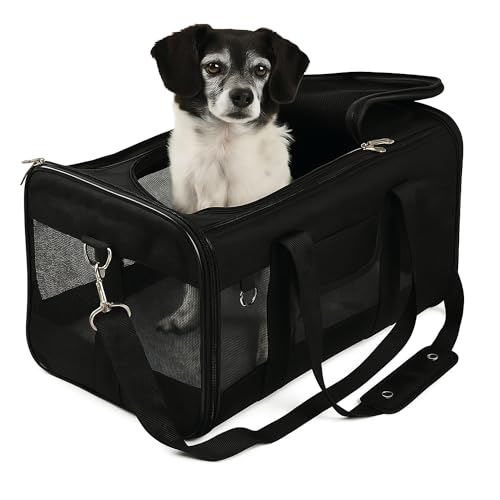
A dog who has never seen their carrier before travel day is starting from the worst possible position. Bring the carrier home early and leave it open in a normal living space with a blanket that already smells like your dog and a few treats scattered inside. Let them investigate on their own terms, don't force them in. Once they're comfortable going in voluntarily, start closing the door for a few seconds at a time, then minutes, building up gradually. Feed a meal or two inside the carrier so it becomes associated with something good, not just confinement.
Once the carrier itself feels normal, practise movement: carry your dog around the house in it, then take short car rides, gradually working up to something closer to the length of your actual travel day (check-in, security, boarding, flight time, and getting to your final destination). A dog who has never experienced being carried, jostled and enclosed for hours will find their first experience of it at the airport, that's a bad place to have a first exposure to something stressful.
1-2 Weeks Out, Finalise Logistics
Re-confirm your booking and pet reservation directly with the airline, policies and availability can shift. Double-check your health certificate is still inside its validity window on your actual travel date, not just on the day you booked. If you're travelling internationally, re-verify any additional import requirements for your destination (some countries require microchip confirmation, specific vaccine titres, or quarantine unless conditions are met, research this directly with the destination country's official agriculture or biosecurity authority, not just the airline). Pack a travel kit: collapsible water bowl, a small supply of your dog's regular food (introducing new food right before travel risks stomach upset), poop bags, any medication with dosing instructions, a copy of vaccination records, and a familiar toy or blanket.
The Day Before
Weigh your dog and the loaded carrier together if you're anywhere near your airline's stated weight limit, limits usually include the container. Do a final carrier fit-check: your dog should be able to stand up, turn around and lie down inside it without their head or back brushing the top. Freeze a small travel water bowl or ice cubes rather than packing loose water, so it melts gradually instead of sloshing everywhere. Confirm your airport's specific pet relief area location if there's one before security, since these aren't always obvious from the terminal map.
Day of Flight
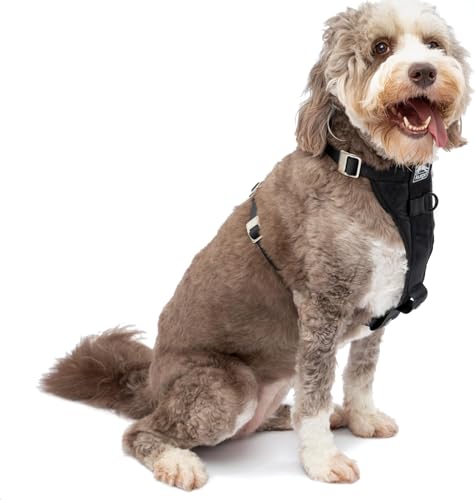
Feed a lighter meal a few hours before departure rather than right before, a full stomach and travel stress don't mix well, and check with your vet ahead of time about their specific feeding advice for your dog. Give your dog a last chance to relieve themselves before you enter the terminal. At security, your dog will typically need to come out of the carrier and walk through the metal detector with you while the empty carrier goes through the X-ray belt separately, have a secure leash or harness on hand for that moment, since it's one of the higher-risk points for a dog to slip loose. Keep the carrier zipped during boarding and taxi, and check your airline's specific rule on whether the carrier must stay fully closed for the whole flight or can be partially open at cruising altitude, this varies.
A Note on Sedation
Do not sedate a dog for flying unless your vet has specifically advised it and explained the dosing. Sedatives can affect breathing and the body's ability to regulate temperature, which is a real risk at altitude and inside a confined carrier. If your dog struggles with travel anxiety, talk to your vet well ahead of the trip about non-sedating options and behavioural prep instead.
The One Rule That Overrides Everything Else Here
Every airline sets its own documentation deadlines, carrier dimensions, fees and pet caps, and these details change. This checklist gives you the order of operations and the questions to ask; the actual answers have to come from your airline and, for international trips, the destination country's official pet import requirements. Confirm early, confirm again close to departure, and keep paperwork on hand rather than assumed.