


What "crash tested" means for a dog harness
A crash tested dog harness has been put through simulated vehicle collision scenarios, typically using instrumented crash-test dummies representing different dog weights, to see how well the harness keeps the dog restrained and how much force reaches its body during a sudden stop. This is different from a harness simply being marketed as "sturdy" or "heavy duty," which has no standardised testing behind it. Genuinely crash tested products usually publish which weight ranges and test standards they were evaluated against.
Why regular walking harnesses fall short in a car
Everyday walking harnesses are designed for the forces of a dog pulling on a lead, not the sudden deceleration of a vehicle collision. Their stitching, buckles, and attachment points typically aren't reinforced to handle that kind of load, which means they can stretch, tear, or release under crash conditions even if they feel solid during a walk. Using a standard harness clipped to a seatbelt is better than nothing, but it isn't a substitute for a harness specifically built and tested for vehicle restraint.
What to look for in a genuine crash tested harness
Look for a harness that names the testing standard or lab it was evaluated against, states a specific dog weight range it was tested for, and uses reinforced, wide straps across the chest rather than a thin single-point design. A quality harness distributes force across the chest and shoulders rather than the neck, and attaches to the seatbelt via a short, sturdy tether rather than stretch webbing. Fit matters as much as the harness itself, even a well-tested harness performs poorly if it's loose enough for your dog to slip a leg through.
Crash tested harness vs a secured crate
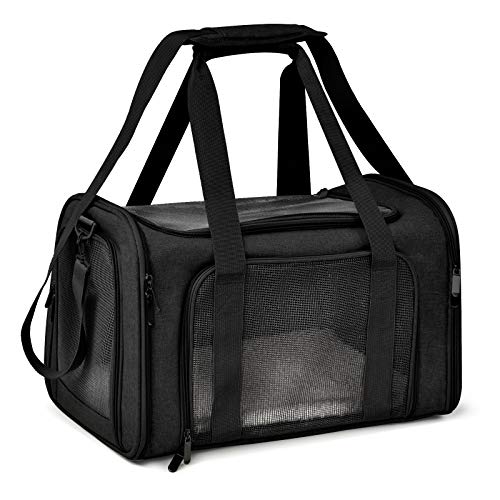
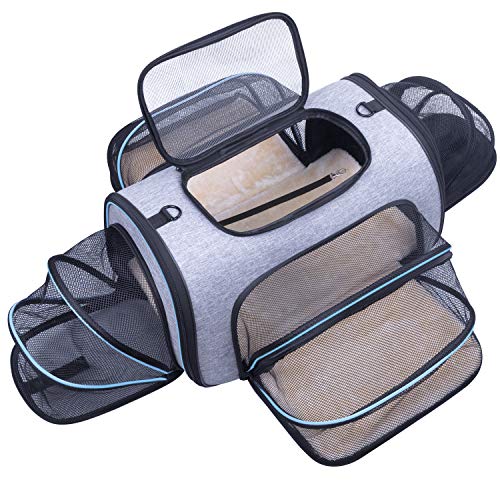
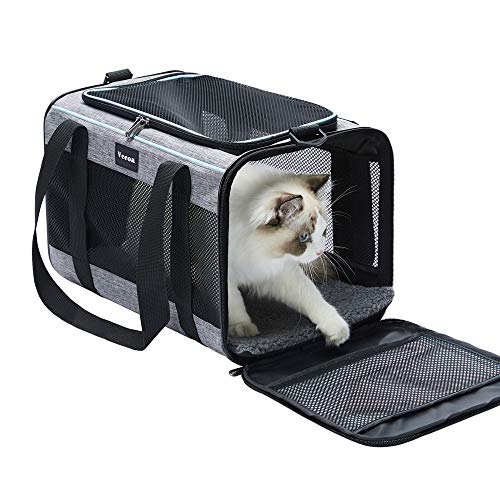
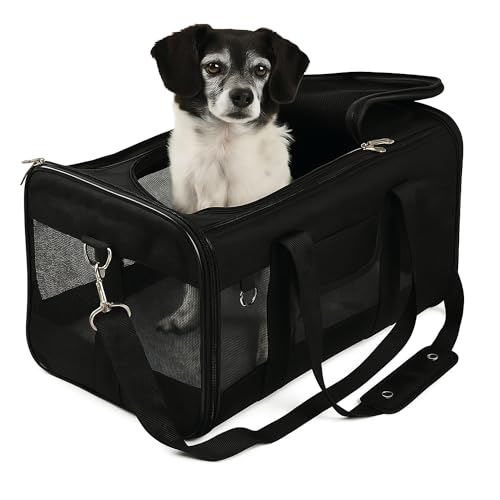
For many dogs, a well-fitted crash tested harness offers a good balance of comfort and protection, letting the dog sit or lie down while still being restrained. However, a secured, appropriately sized crate can offer more complete protection for some dogs, particularly nervous ones who feel safer enclosed, or breeds where harness fit is difficult. Neither option is universally "best", the right choice depends on your dog's size, temperament, and how well a given product actually fits them, so trial the fit before a long trip rather than assuming a bought item is automatically safe.
A tested product still needs correct use
Even a genuinely crash tested harness only performs as intended if it's fitted correctly and attached properly every time. Check the fit regularly, especially with growing puppies or dogs whose weight has changed, and replace any harness that shows fraying, stretched webbing, or a damaged buckle. If you're unsure whether a specific harness is a good match for your dog's size and behaviour in the car, a vet or reputable pet supply retailer can help you assess fit rather than relying on marketing claims alone.