


Restrain your dog rather than letting them roam free
The safest way for a dog to travel in a car is secured in a properly fitted harness, crate, or carrier that's anchored to the vehicle, rather than left loose in the cabin. An unrestrained dog can be thrown forward in even a moderate stop, injure themselves or occupants, or distract the driver by climbing between seats. A secured dog also stays safer for first responders if there's ever an incident, since they won't bolt from an open door in a panic.
Choosing between a harness, crate, or carrier
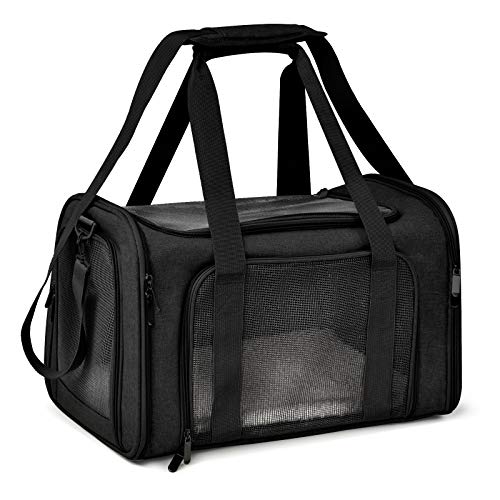
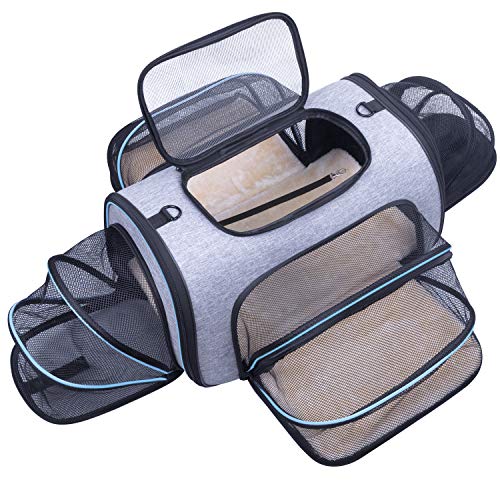
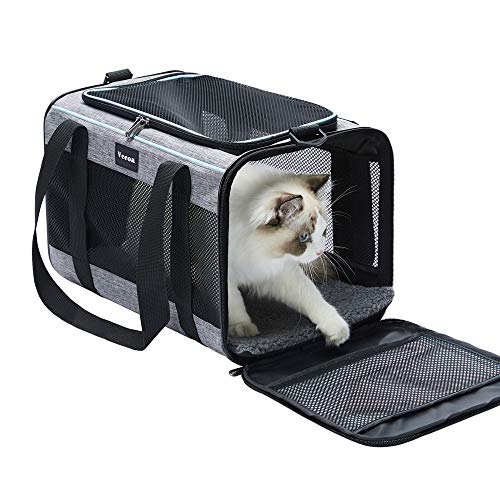
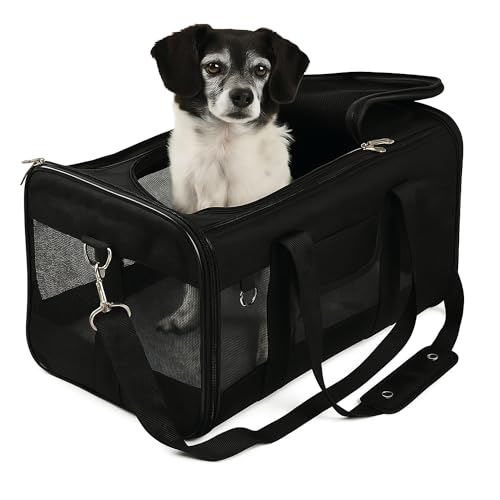
Which restraint suits your dog depends mostly on size. Small dogs often travel well in a secured carrier on the back seat or footwell, buckled in with the seatbelt or anchored with a strap. Medium and larger dogs are usually better suited to a car safety harness that clips into the seatbelt buckle, or a crate secured in the boot or back seat that prevents sliding. Whichever option you choose, look for one rated or tested for vehicle use rather than a general walking harness, since the stitching and attachment points on everyday gear aren't built to handle sudden force.
Where in the car your dog should sit
Back seats are generally considered safer than the front, since airbags deploying near a dog in the front passenger seat can cause serious injury. If you're using a crate, position it low and central where possible, ideally in the boot area of a wagon or SUV with a cargo barrier, or securely wedged in the back seat footwell so it can't shift. Avoid placing an unsecured crate on a seat, since it can become a projectile in a collision even if the dog inside is contained.
Preparing for the trip itself
Beyond restraint, a few habits reduce risk on the road. Give your dog a chance to toilet and have a short walk before a long drive, keep the cabin at a comfortable temperature, and take regular breaks on longer trips for water and stretching. Never leave a dog alone in a parked car, even briefly, as temperatures inside a vehicle can climb dangerously fast even on a mild day. If your dog is anxious in the car, building up confidence with short, calm trips before a long journey helps them settle rather than pace or whine in transit.
When to check in with your vet
If your dog shows ongoing signs of distress in the car, excessive drooling, shaking, vomiting, or trying to escape a secured harness, it's worth discussing with your vet rather than pushing through it. They can rule out motion sickness or an underlying health issue and may suggest calming strategies or, in some cases, medication for long trips. A vet visit before a major road trip is also a good opportunity to confirm your dog is fit for extended travel.