


Why heat management matters more in transit
Dogs can't regulate body temperature as efficiently as humans since they primarily cool through panting rather than sweating, which makes travel, with its closed carriers, parked cars, and long stretches without a proper break, a higher-risk situation for overheating. Heat stress can develop faster than owners expect, particularly for flat-faced breeds, older dogs, and puppies, so building cooling and hydration habits into every leg of a trip is worth treating as a priority, not an afterthought.
Hydration strategies for the road or trail
Offer water regularly rather than waiting until your dog seems thirsty, since panting and travel stress both increase fluid loss. A spill-proof travel bowl or collapsible silicone bowl makes it easy to offer water at short stops without needing to fully unpack the car. On longer drives or hikes, plan water breaks every hour or two as a default, and consider a portable water bottle designed for on-the-go use if you're on foot rather than relying solely on car stops.
Cooling tools that genuinely help
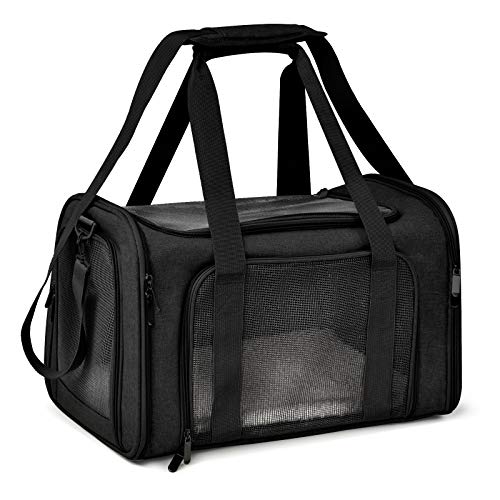
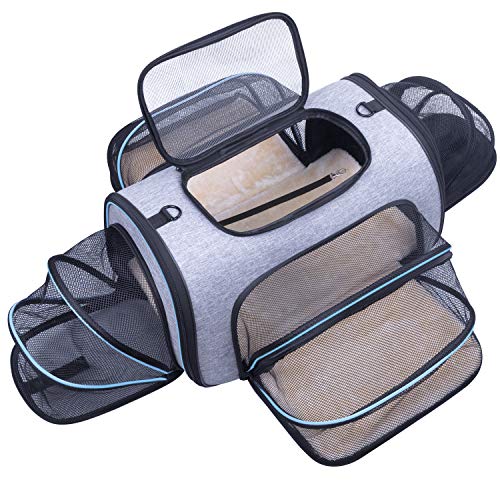
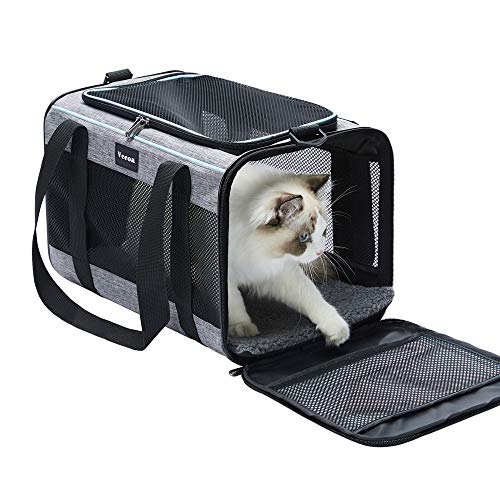
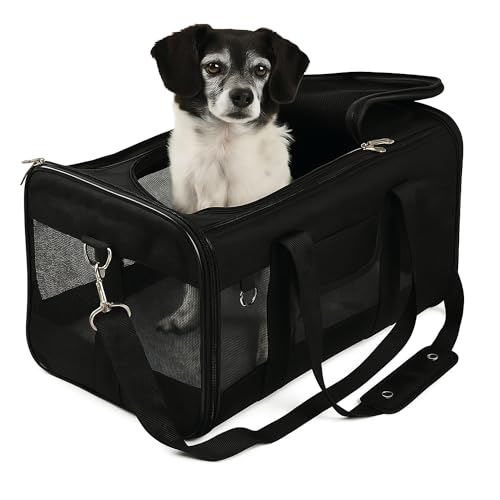
Cooling mats, vests, and bandanas that use evaporative cooling can help moderate your dog's temperature during hot travel, especially in a carrier or crate with limited airflow. A carrier with mesh panelling on multiple sides matters here too, since airflow is one of the simplest and most effective ways to prevent heat build-up. On a hike, seek shaded rest stops during the hottest parts of the day, and consider timing longer outdoor travel for early morning or late afternoon rather than midday heat.
Never leave a dog in a parked vehicle
Even with the windows cracked, a parked car's internal temperature can climb to dangerous levels within minutes, even on a mild day, making it one of the most common and preventable causes of heat-related emergencies in travelling dogs. If you need to stop somewhere your dog can't come with you, plan the route around pet-friendly stops instead, or travel with a second person who can stay with the dog and the air conditioning running.
Recognising heat stress and when to call a vet
Watch for heavy panting that doesn't settle, bright red gums, drooling, wobbliness, or collapse, these are signs of potential heat stress that need immediate action: move your dog to shade or air conditioning, offer small amounts of water, and apply cool (not ice-cold) water to their body while you arrange emergency veterinary care. Heat stress can escalate quickly, so if your dog shows these signs during travel, treat it as urgent and contact a vet immediately rather than waiting to see if they improve on their own. Keeping a pet first-aid kit with a digital thermometer in the car can help you monitor a dog you're worried about until proper veterinary care is available.