


The core trade-off between the two styles
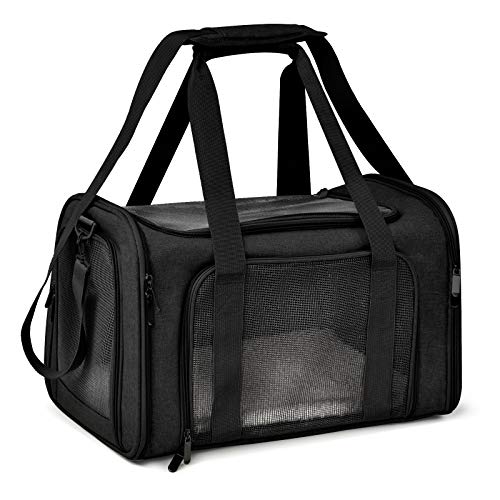
A soft-sided dog carrier is lightweight, flexible, and generally easier to fit under an airline seat or into a car, while a hard-sided carrier offers more rigid structure and protection but is bulkier and heavier to transport. Neither is universally "better", the right choice depends on how you're travelling, your dog's size and temperament, and whether you need the carrier to compress slightly to meet strict space requirements.
When a soft-sided carrier makes more sense
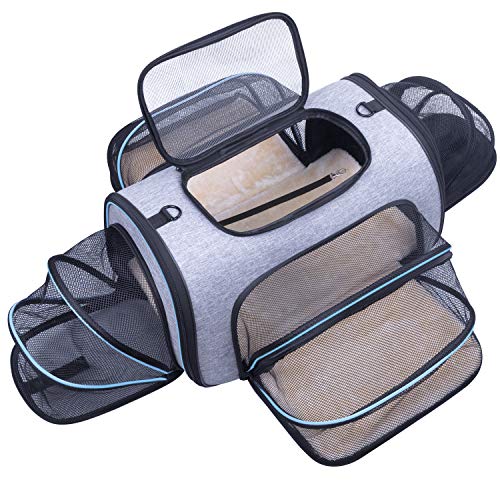
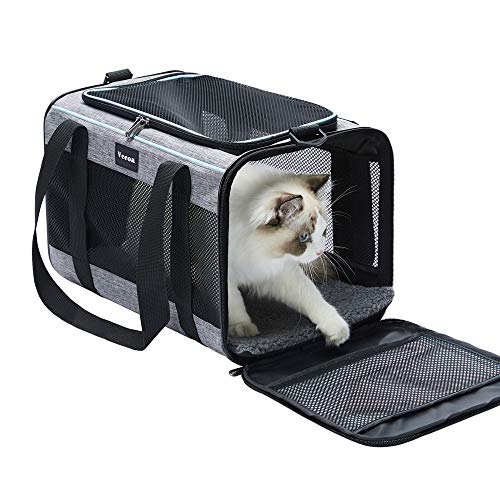
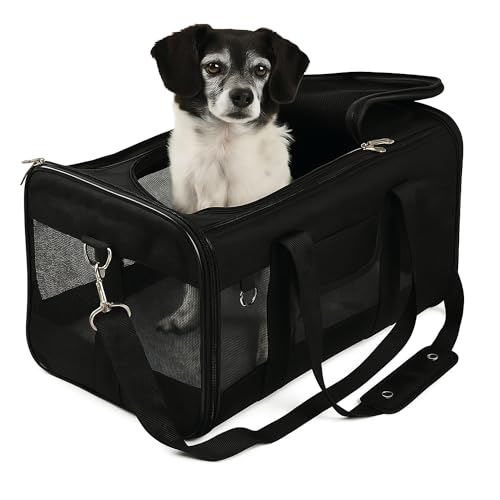
Soft-sided carriers are usually the better fit for in-cabin air travel, since their flexible structure can compress slightly to slide under different seat configurations, and their lighter weight matters when you're carrying your dog through a busy terminal. They also tend to feel less clinical and more like a cosy den, which some dogs find more comfortable for shorter trips. Look for a soft-sided option with a rigid base insert if your dog needs more support underfoot, since an entirely floppy base can feel unstable to some dogs.
When a hard-sided carrier is worth considering
Hard-sided carriers offer better protection against impact and crushing, which matters more for checked or cargo travel, larger dogs, or situations where the carrier might be stacked with other luggage. They're also easier to clean thoroughly and tend to hold their shape better over years of use, whereas soft-sided carriers can sag or lose structure over time. If your dog is anxious and tends to scratch or chew at fabric, the more rigid, chew-resistant walls of a hard carrier may also hold up better.
Comfort and ventilation differences
Ventilation design differs meaningfully between the two. Soft-sided carriers typically use mesh panelling across multiple sides, giving your dog a wider field of view and better airflow, which can reduce anxiety for a nervous traveller. Hard-sided carriers usually rely on grated vents concentrated on fewer sides, offering a more den-like, enclosed feel that some dogs, particularly those who prefer to feel hidden and secure, actually find calming rather than restrictive.
Matching the carrier type to your dog and trip
If you're flying in-cabin with a small, calm dog, a soft-sided carrier that meets your airline's dimensions is usually the more practical choice. If you're travelling by car with a larger or more anxious dog, or need a carrier that can double as a secure crate at your destination, a hard-sided option may serve you better. Whichever style you lean toward, prioritise a proper fit and secure attachment method over the material itself, an ill-fitting carrier, soft or hard, is uncomfortable and less safe regardless of construction. Many owners eventually keep one of each, using the soft-sided carrier for flights and public transport and the hard-sided option for car trips or short-term boarding stays.