


Recognising car sickness in dogs
Dog car sickness usually shows up as drooling, lip-licking, yawning, whining, restlessness, or vomiting shortly after the car starts moving. It's most common in puppies, whose inner ear balance system is still developing, but it can affect adult dogs too, especially if their only past car experiences were stressful ones like vet visits. Distinguishing motion sickness from anxiety can be tricky since the symptoms overlap, which is part of why a vet check is useful if it's a recurring problem.
Practical steps before you set off
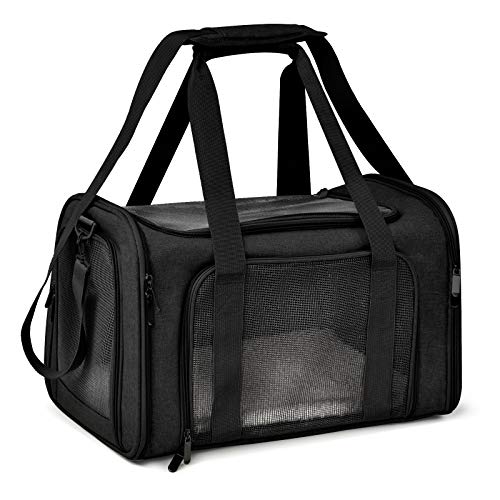
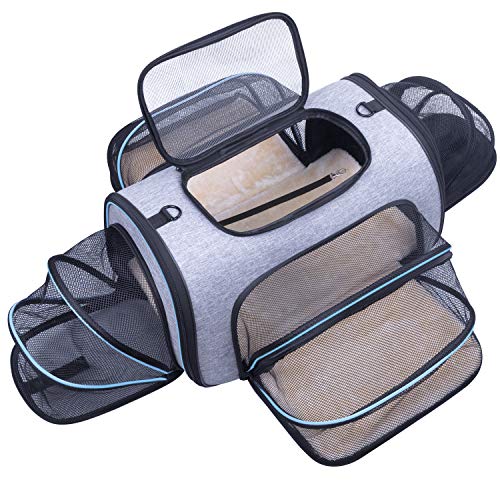
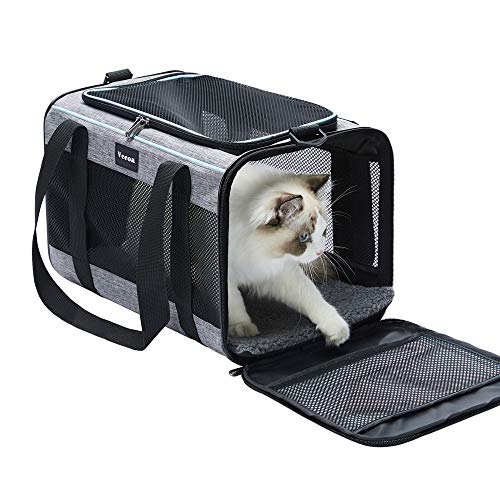
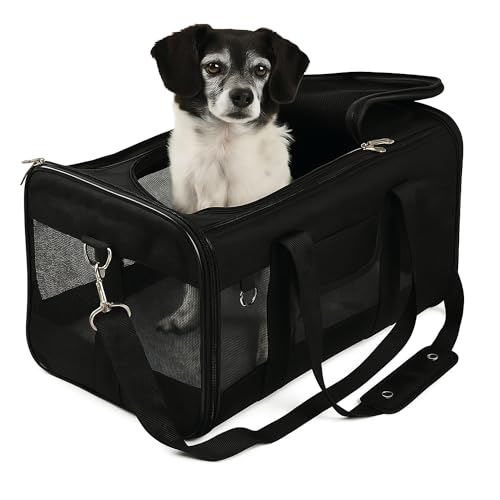
A few preparation steps make a noticeable difference for many dogs. Avoid a big meal right before travelling, a light snack a couple of hours beforehand is usually better than a full stomach. Keep the car cool and well-ventilated, since a stuffy cabin can make nausea worse, and try to have your dog face forward rather than sideways, which can help with the visual and inertial mismatch that triggers sickness. Securing your dog in a stable position, whether that's a harness or a crate that doesn't slide, also reduces the physical swaying that contributes to nausea.
Building tolerance with short trips
For dogs whose car sickness seems tied to poor associations or lack of exposure, gradually building up trip length can help. Start with the car parked and stationary, giving treats and calm praise just for sitting inside. Progress to short trips around the block, ideally ending somewhere pleasant like a park rather than only the vet, so your dog doesn't only associate the car with unpleasant outcomes. Slowly increasing trip duration over several weeks, rather than jumping straight to a long road trip, gives their system time to adjust.
When medication or vet advice is worth considering
If your dog is vomiting on most trips despite preparation, or car sickness is stopping you travelling with them at all, it's worth talking to your vet rather than just managing around it. Vets can assess whether it's true motion sickness, anxiety, or another underlying issue, and may recommend anti-nausea medication for travel days or refer you to more structured desensitisation training. Don't start any over-the-counter or human medication without veterinary guidance, since dosing and safety differ significantly between humans and dogs.
On the day of a long trip
For the trip itself, plan regular stops every couple of hours so your dog can have water, stretch their legs, and toilet, since a full bladder can add to general discomfort. Keep a towel and some cleaning supplies on hand in case of an accident, and avoid making a big fuss if it happens, a calm, matter-of-fact response helps your dog stay relaxed rather than associating car trips with your own stress.