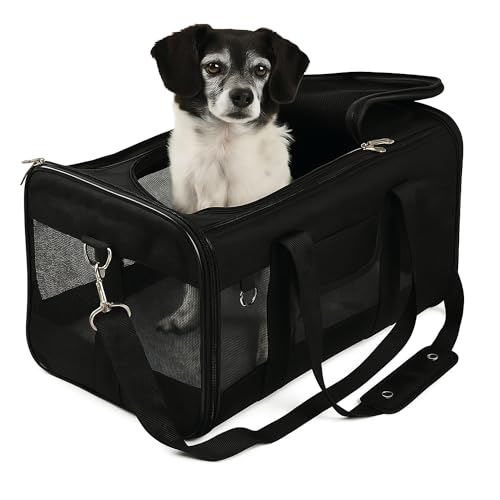
Car Safety Harnesses & Crates for Dogs
Comprehensive technical analysis of material density, anatomical weight distribution, Indentation Load Deflection (ILD) thresholds, and veterinary standards for car safety harnesses & crates.


Recommended Products
See the full ranking →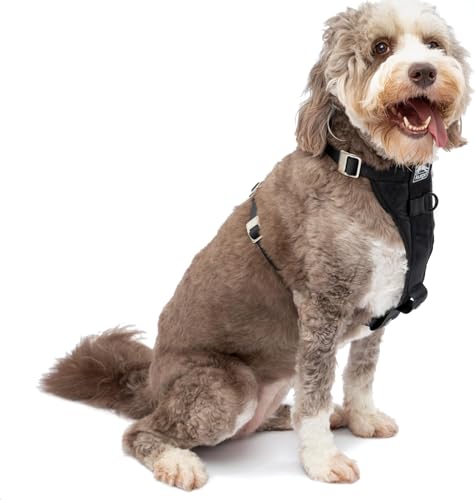


Dog Car Safety, Harnesses, Crates and Seat Restraints That Actually Work
An unrestrained dog is one of the most overlooked hazards on the road. In a 30 mph collision, a 50 lb dog turns into roughly a 1,500 lb projectile. That force can injure the dog fatally, injure the people it strikes, and even prevent first responders from reaching an injured driver because a frightened dog is loose in the wreck. Restraint is not about tidiness. It is about keeping everyone in the car alive.
This guide is built from aggregated verified owner reviews and manufacturer specifications, not hands-on crash testing in our own lab. Where a product claims crash protection, we say exactly who tested it and how confident you should be. That distinction matters more here than in almost any other pet category, because the marketing word "safety" is used freely and the genuine engineering behind it is rare.
Never restrain a dog by its neck collar in a moving vehicle. A tether clipped to a flat collar concentrates the entire force of a stop or crash on the throat and cervical spine. Every restraint on this page must connect to a body harness that spreads load across the chest and shoulders. If you take one thing from this guide, take that.
There is a real, measurable gap between a harness that has been crash-tested and one that simply has the word safety on the label. The organisation to know is the Center for Pet Safety (CPS), an independent US non-profit that crash-tests pet restraints to a defined protocol and publishes which products pass. Independent CPS certification is the gold standard. A handful of harnesses and carriers carry it; the vast majority of products sold as dog seatbelts do not.
Below CPS certification sits manufacturer crash testing, where a brand tests its own product to a stated load standard. That is meaningfully better than nothing, but it is a claim from the company selling the product. The Kurgo Tru-Fit in this roundup sits in that tier: Kurgo states it was crash-tested to child-safety-seat load standards, which is why we named it Best Crash-Tested here, while being clear that it is manufacturer-tested rather than independently certified.
Beneath that sits the largest group by far: tethers, bungee leads, headrest loops and seat covers that provide restraint and distraction control but have never been crash-tested at all. They are useful and worth owning. They are not crash protection, and no honest reviewer should imply they are.
Full car harnesses are the only wearable products that aim to protect the dog in a collision. The good ones use a wide, padded chest plate and metal hardware to spread crash forces, and they connect to the vehicle by a short tether to the seatbelt buckle or a LATCH anchor. This is the category to prioritise if collision protection is your goal.
Seatbelt tethers and bungee leads clip a body harness to the seatbelt system. Their real job is stopping the dog roaming the cabin, climbing into the footwell, or distracting the driver. A bungee section softens the jolt of hard braking and is kinder day to day, but the same stretch means more forward travel in a serious impact. Think of tethers as distraction control and comfort, not crash defence.
Headrest loops are the budget version of a tether, wrapping the headrest posts instead of buckling into the seatbelt. They are only as strong as the headrest they hold, so they suit gentle daily containment rather than protection.
Seat covers and hammocks protect your upholstery and stop a dog sliding into the footwell. A hammock that blocks the gap behind the front seats does add a small physical barrier, but on its own it lets the dog become a projectile in a crash. Use a cover together with a tether or crate, never instead of one.
Crates deserve a mention even though this roundup focuses on harnesses and restraints. A strong, properly anchored crate is one of the safest options for many dogs, and CPS has certified specific crates. A flimsy wire crate that is not tied down, however, can do more harm than good. If you go the crate route, secure it to the vehicle and choose a sturdy, appropriately sized model.
Even the best crash-tested harness fails if it is loose. You should be able to slip two fingers flat under any strap, no more. A harness that can be pulled over the head, or that has slack across the chest, allows the dog to slip out or lets forces spike during a stop. Measure your dog's girth behind the front legs, follow the maker's size chart rather than guessing by weight alone, and re-check the fit every few weeks as coats grow and dogs gain or lose condition.
Dogs should ride in the back seat. A dog in the front seat is at risk from a deploying airbag, which inflates with enough force to injure or kill an animal at close range, exactly as it can a small child. The back seat, restrained by a crash-tested harness and tether or secured in an anchored crate, is the safest place for a dog to travel. Keep heads inside the car too; an out-window head is exposed to debris, other vehicles and ejection.
The honest answer is that no single product on this page does everything. A sound setup layers them: a well-fitted harness on the dog, a crash-tested harness if collision protection is your priority, a tether or bungee lead to the seatbelt or LATCH point, and a waterproof cover or hammock to protect the seat and stop footwell slips. Match the pieces to your dog's size and temperament, get the fit right, keep the dog in the back seat, and you have done more for road safety than the vast majority of dog owners ever do.
Go Deeper
Detailed companion guides for car safety harnesses & crates.
How to Safely Secure Your Dog in the Car, Harness, Crate, Carrier, or Barrier
A practical comparison of the four ways to restrain a dog in a vehicle, seatbelt harness, crate, carrier, and barrier, plus where to place each one, the…
Crash-Test Certification Explained, What Dog Car Safety Claims Really Mean
"Crash-tested" and "safety-rated" appear on almost every dog harness and crate, but the terms cover very different levels of scrutiny. Here's the difference…