


Spotting the signs of travel anxiety early
Dog travel anxiety can show up well before you even leave the house, pacing near the carrier or car, excessive panting, trembling, tucked tail, or trying to hide. Some dogs only become anxious once inside the vehicle or carrier, showing whining, drooling, or attempts to escape. Recognising these signs early lets you adjust your approach rather than pushing through a trip that's clearly distressing, which can make future travel harder rather than easier.
Desensitising your dog to the carrier or car in advance
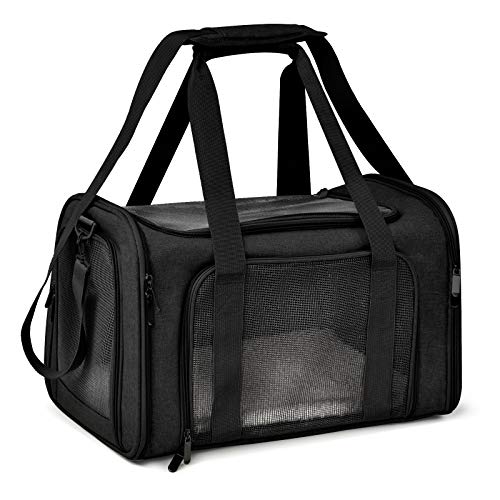
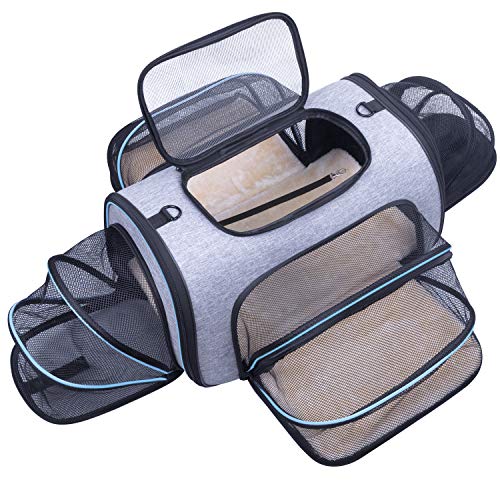
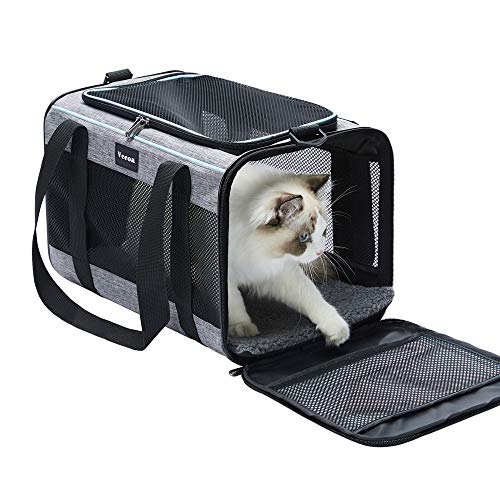
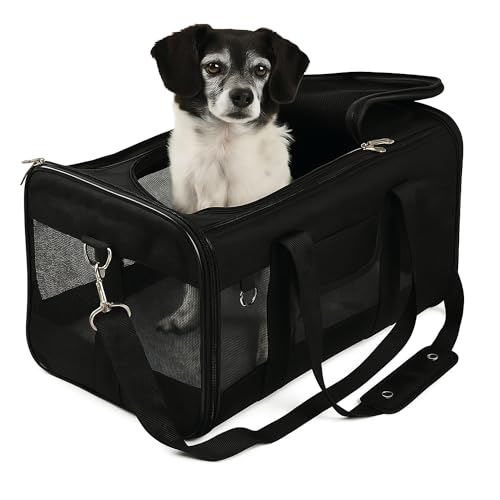
The most effective long-term fix for travel anxiety is gradual, low-pressure exposure well before the actual trip. Leave the carrier open in a familiar room with treats or a favourite blanket inside so your dog can explore it on their own terms. For car anxiety, start with your dog simply sitting in a parked, stationary car, then progress to the engine running, then short drives, building duration slowly over days or weeks. Rushing this process, especially right before a big trip, tends to reinforce the anxiety rather than resolve it.
Calming aids and comfort items that can help
Familiar scents and objects go a long way for an anxious dog. A blanket or item of clothing that smells like home, a favourite toy, or a worn t-shirt with your scent on it inside the carrier can be genuinely reassuring. Some owners also find calming aids such as pheromone sprays or anxiety wraps useful, though effectiveness varies by dog. Keep a consistent routine around travel, the same carrier, the same pre-trip walk, the same calm tone of voice, so the experience feels predictable rather than novel and unsettling.
What to avoid doing
Avoid reassuring an anxious dog with over-the-top comforting or baby talk right as they're showing distress, since this can inadvertently reward and reinforce the anxious behaviour. Equally, avoid scolding or rushing a nervous dog into a carrier or car, which adds stress on top of what they're already feeling. Try to project calm energy yourself, since dogs are highly attuned to their owner's stress levels, and a tense, rushed departure often transfers directly to the dog.
When to get professional support
If travel anxiety is severe, your dog won't enter the carrier at all, shows signs of panic like heavy panting and drooling, or has ever tried to escape a moving vehicle, it's worth involving your vet or a qualified dog behaviourist rather than managing it alone. They can rule out pain or health issues contributing to the anxiety, suggest a structured desensitisation plan, and discuss whether short-term anti-anxiety support is appropriate for an upcoming trip. This is especially worth doing well ahead of any major travel date, since building genuine comfort takes time.