


What a dog hiking backpack is actually for
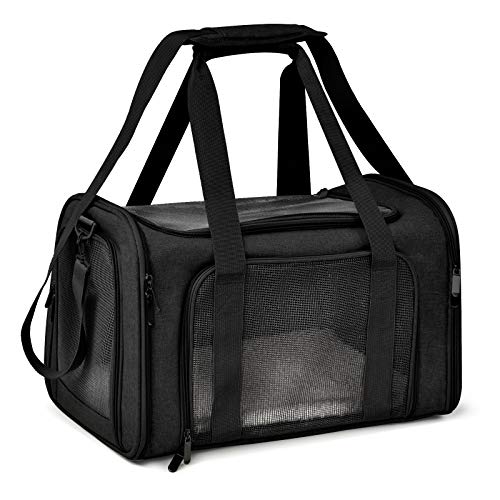
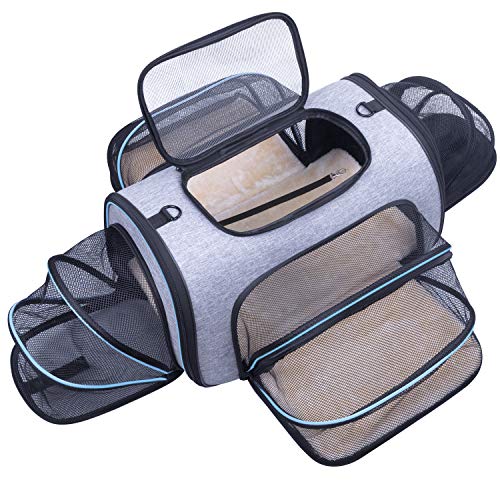
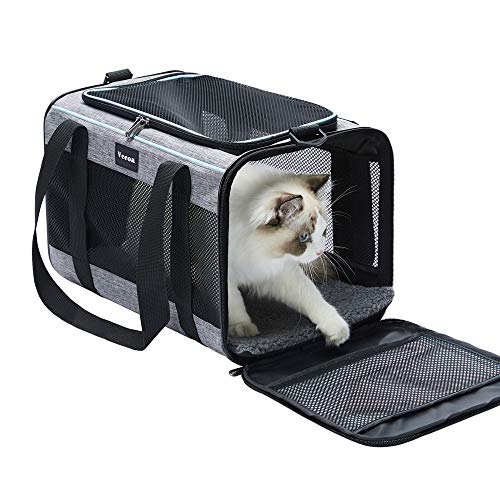
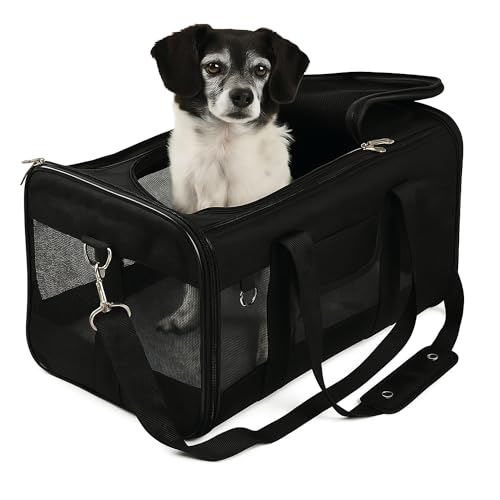
A dog hiking backpack is a front- or chest-carried pack that lets you carry a small dog on the trail, distinct from a dog's own backpack where they carry their own gear. These carrier-style packs are most useful for small breeds, puppies too young for long distances, senior dogs who tire quickly, or dogs recovering from injury who still benefit from time outdoors. Fit, ventilation, and weight distribution matter more here than in a standard walking pack, since your dog will be inside it for extended periods.
Fit and support features to prioritise
Look for a hiking backpack with padded, adjustable shoulder and waist straps that distribute your dog's weight across your hips rather than pulling on your shoulders alone, especially important on longer hikes. The compartment itself should have a supportive base so your dog isn't hanging or unevenly balanced, along with secure zippers and a safety tether inside that clips to a harness in case a zip fails. Mesh panelling for airflow is essential, since your dog will be moving less than on a normal walk and can overheat faster in an enclosed pack.
Weight limits and your dog's comfort
Every carrier pack has a maximum weight rating, and exceeding it strains both the pack's structure and your own back over a long hike. Beyond the manufacturer's limit, consider your dog's actual comfort, even within the rated weight, a dog that's anxious or unable to settle in the enclosed space may find a hiking backpack more stressful than helpful. Trial the pack at home and on short walks before committing to a full hike, so you can gauge how your dog responds to the confined, moving space.
Backpack vs stroller for the trail
A hiking backpack suits uneven terrain where a stroller's wheels can't go, and it keeps your hands free for poles or scrambling. A stroller, by contrast, is a better fit for flatter trails, paths, or longer outings where your dog needs more room to shift position, particularly for larger dogs or those with joint issues where a snug carrier isn't comfortable. Which one suits your situation depends largely on the terrain you hike and your dog's size and mobility needs.
Building up to longer hikes
If your dog isn't used to being carried, introduce the backpack gradually at home and on short walks before a full hike, letting them get comfortable with the movement, the enclosed feeling, and being lifted in and out. On the trail itself, take regular breaks to let your dog out to stretch, toilet, and drink water, rather than leaving them in the pack for the entire hike. If your dog shows ongoing signs of stress or discomfort in the pack, it's worth checking with your vet whether a hiking backpack is the right fit for their temperament and physical condition.