


Why an airline approved dog carrier isn't a single fixed standard
There's no single universal certification that makes a dog carrier "airline-approved." Instead, each airline publishes its own carrier policy covering maximum dimensions, materials, and ventilation. A carrier labelled "airline-approved" by a manufacturer typically means it fits within the size range accepted by many major carriers, not that it has passed an official aviation safety test. Because policies differ, a carrier that's accepted on one airline may be rejected at check-in on another. The only reliable way to know if your carrier will work for a specific flight is to check that airline's published pet travel policy and, ideally, contact them directly before you book.
Core features that matter for in-cabin travel
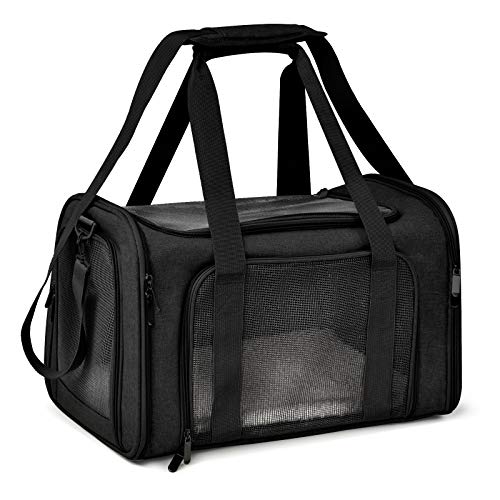
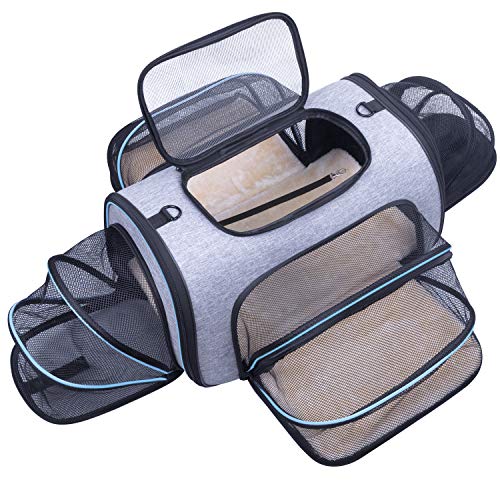
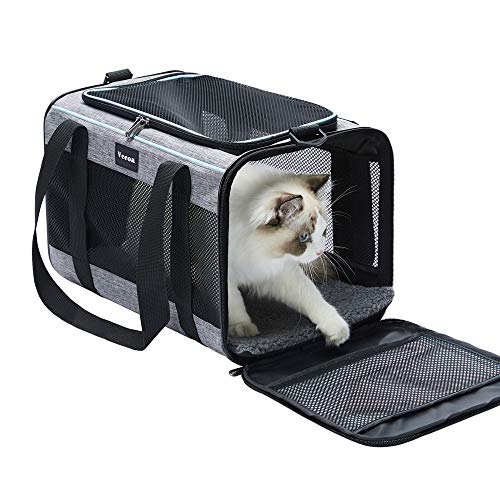
Regardless of airline, a handful of features consistently show up as requirements. The carrier should be collapsible or structured enough to slide flat under the seat in front of you, with sturdy zippers and no gaps a nervous dog could push through. Ventilation is critical, look for mesh panels on multiple sides so air circulates and your dog can see out, which can reduce anxiety. A waterproof or wipeable base liner is also worth prioritising, since accidents happen during long trips through security and boarding. Weight matters too: combined dog-and-carrier weight is often factored into whether the carrier is accepted as cabin luggage.
Soft-sided vs hard-sided for flying
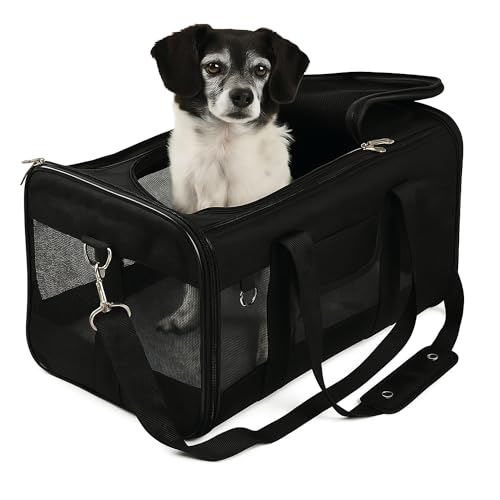
Most in-cabin airline travel calls for a soft-sided carrier because it can flex and compress slightly to fit under different seat configurations, whereas rigid hard-sided crates are usually reserved for checked or cargo travel on larger dogs. Soft-sided carriers are also generally lighter, which helps if you're carrying your dog through a busy terminal. If your dog is on the larger end of what's allowed in-cabin, a semi-rigid carrier with a flexible base can offer a middle ground, structure for stability with enough give to squeeze under tight seating.
Practical steps before you fly
Before travel day, measure the exact under-seat dimensions for your specific airline and aircraft type, since these can differ between planes in the same fleet. Weigh your dog together with the carrier and any padding to check you're within any stated limits. It also helps to book pet travel as early as possible, since most airlines cap the number of pets allowed in the cabin per flight. Finally, do a practice run: have your dog spend time in the carrier at home and take a short outing so the space feels familiar rather than stressful on the actual travel day.
Confirm directly with your airline
Because in-cabin pet policies change and vary so much between carriers, the single most useful step is a direct call or email to the airline's customer service before you purchase a carrier or book a ticket. Ask specifically about maximum external dimensions, weight limits including the dog, ventilation requirements, and any documentation needed at check-in. Airline websites are the best starting point, but policies are sometimes stricter or more flexible than what's published, so getting written confirmation for your particular flight avoids a stressful surprise at the gate.