Temperature Control & Travel Hydration for Dogs
Comprehensive technical analysis of material density, anatomical weight distribution, Indentation Load Deflection (ILD) thresholds, and veterinary standards for temperature control & travel hydration.

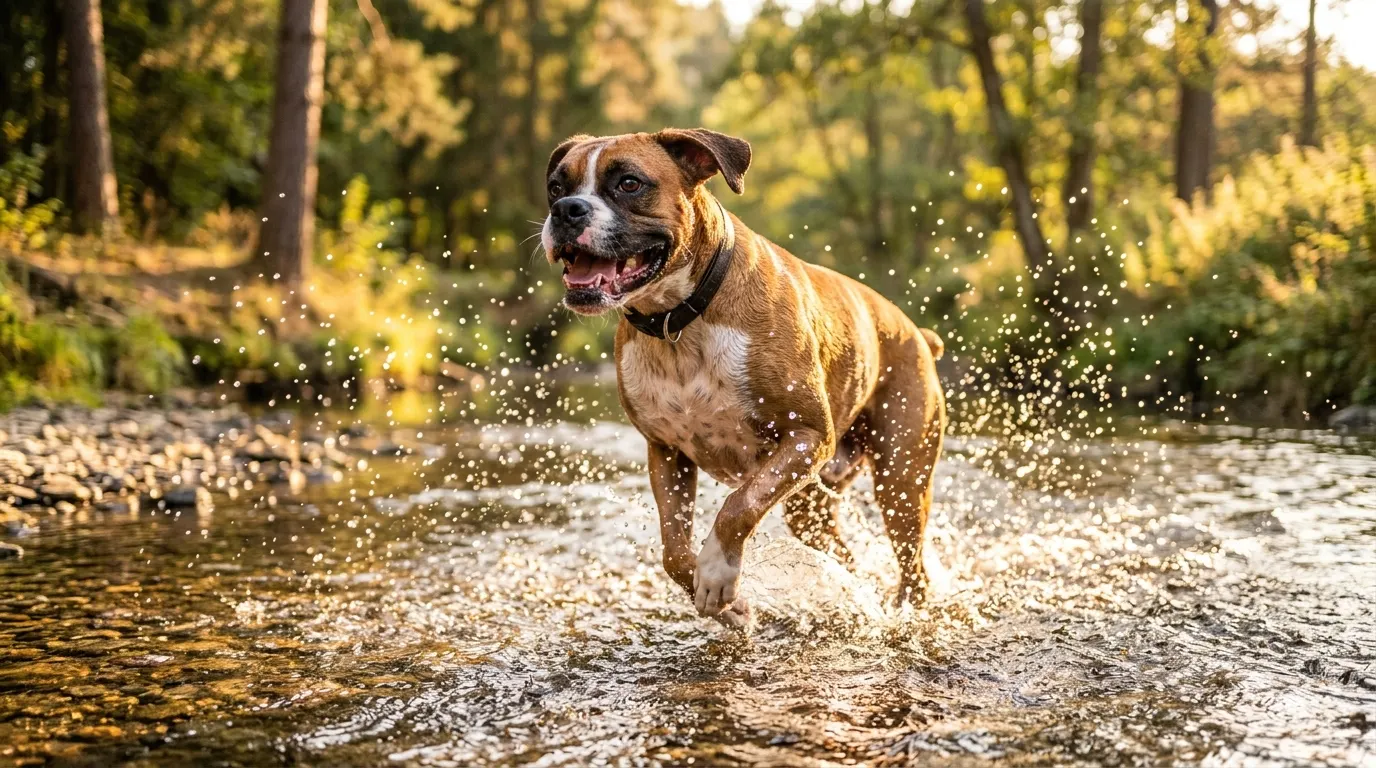
Dogs cool themselves mostly by panting, not sweating, and that system is far less efficient than the human one, especially in a moving car, a warm carrier, or direct sun with no airflow. A car cabin can climb to dangerous temperatures within minutes even with windows cracked, and a stationary car is never a safe place to leave a dog, even "just for a minute." Brachycephalic (flat-faced) breeds, seniors, overweight dogs, and dogs with thick double coats are all at higher risk of overheating on the move than a fit, short-coated adult dog.
The core rule for any trip: shade, airflow, and water are not extras, they're the baseline, and heat stress can develop faster than owners expect once a dog is already warm from walking or excitement before the journey even starts.
- Airflow beats insulation. A dog crammed into a stuffy carrier or a car boot with no ventilation heats up faster than one with a breeze moving over them, even at the same ambient temperature.
- Cooling mats and vests work by evaporation or gel-conduction, not magic, they lower a dog's immediate surface temperature but don't replace shade, water, and rest breaks. Treat them as one layer of a cooling strategy, not the whole plan.
- Reflective or light-coloured gear helps in direct sun by reducing how much heat a dog's coat and carrier absorb, but it won't help in a closed, unventilated space.
- Never rely on a parked car, even with windows down, even "for a minute," even in what feels like mild weather. Temperatures inside a car climb far faster than most people expect, and this is one of the most common preventable causes of heat injury in dogs.
- Plan travel for cooler parts of the day, early morning or evening, when the trip length or the weather make heat a realistic concern.
- Test surfaces before your dog walks on them. Pavement, sand, and car park asphalt can be hot enough to burn paw pads well before the air itself feels dangerously hot; the back-of-hand test (hold your hand on the surface for five seconds) is a quick gut check.
- Fans and portable airflow devices help most in a stationary carrier or crate, less so in an already-ventilated moving car with air conditioning running. Match the tool to the actual setup you're travelling in rather than buying every cooling product available.
- Coat length and colour both play a role. Dark, thick coats absorb more heat in direct sun than light, short ones, which is worth factoring into how long you let a dog sit in sun versus shade during rest stops.
Temperature control isn't only about heat. Cold travel, early starts, mountain trips, exposed carriers on a bike or in a car boot, needs its own consideration, particularly for small, short-coated, senior, or very young dogs who lose body heat faster than a large, well-coated adult.
- Layer rather than over-insulate. A dog that's too warm in a moving car will pant and become uncomfortable just as a dog that's too cold will shiver, check in periodically rather than assuming a coat solves the problem for the whole trip.
- Damp fur loses heat fast, so a wet dog after a walk in cold weather needs drying and a warm layer sooner than a dry one does.
- Watch extremities. Ears, paws, and tails on thin-coated or hairless breeds are more exposed to cold than the body core.
Good dog travel hydration habits are simple but easy to forget once you're focused on the drive or the trail itself.
- Offer water before your dog seems thirsty, not after. Panting increases fluid loss, and by the time a dog is clearly seeking water they may already be behind on hydration, particularly in warm weather or during exertion.
- Portable bowls and travel bottles only help if they're actually used. Build water breaks into the trip itself, every hour or so on a drive, more often on an active hike, rather than assuming a dog will signal when they need it.
- A dog carrying their own water in a hiking pack still needs offered breaks. Carrying capacity isn't the same as access; you still need to stop and pour it out for them.
- Watch water intake in reverse too. A dog drinking excessively after exertion, or refusing water altogether while showing other signs of heat stress, both warrant attention rather than being brushed off as normal trip behaviour.
- Ice or very cold water isn't necessary and can cause stomach upset in some dogs after heavy exertion. Cool, fresh water is the safer default.
Excessive panting that doesn't settle with rest and shade, drooling, bright red or pale gums, wobbliness, vomiting, collapse, or a dog that seems unusually disoriented are all signs that go beyond normal travel discomfort. These can indicate heat stress, and heat stress in dogs can escalate quickly, it is a genuine emergency, not something to monitor overnight. If you see any of these signs on a trip, stop, cool the dog gradually (shade, airflow, water, not ice-cold immersion), and contact a vet immediately rather than waiting to see if it passes.
Every dog has their own baseline, so it helps to know what "normal" looks like for your dog specifically before you travel, how they usually pant after mild exertion, their usual gum colour, their typical energy level, so you can actually notice when something is off rather than second-guessing yourself mid-trip. This is especially useful on a first trip with a new dog, or the first outing of the warmer season, when you don't yet have a strong sense of how they cope with heat and exertion together.
Temperature control and hydration aren't separate concerns from the rest of a trip, they're the difference between a dog who enjoys travelling with you and one who dreads it, and getting the basics right protects against the more serious risks that come with heat and cold exposure on the road.
Go Deeper
Detailed companion guides for temperature control & travel hydration.
Keeping Your Dog Hydrated on the Road, Bottles, Bowls, and Water Needs While Traveling
How much water a traveling dog needs, the gear that makes drinking possible on the road, and the early signs of dehydration to watch for.
Heat and Cold in the Car, Why You Should Never Leave a Dog in a Parked Vehicle
Parked-car temperatures climb to dangerous levels in minutes. How to spot heatstroke and cold stress, and safer ways to travel in extreme temperatures.