



Grooming Tools by Coat Type, Slicker Brush, Undercoat Rake, and Metal Comb
Walk into a pet store and the wall of grooming tools can be overwhelming. The good news is that most dogs only need two or three well-chosen tools, matched to their specific coat type, rather than a full collection.
Short, Smooth Coats, Curry Brush and Grooming Mitt
Breeds like Beagles, Boxers, and Staffies have a single, close coat that sheds steadily but doesn't tangle. A rubber curry brush or grooming mitt is usually all you need, it lifts loose hair, feels like a massage to most dogs, and distributes skin oils well. A weekly session is typically enough.
Double Coat, De-Shedding Tool and Undercoat Rake
Huskies, German Shepherds, Golden Retrievers, and similar breeds need tools that reach both layers. A slicker brush handles the topcoat, but the real work during shedding season is done by an undercoat rake or de-shedding tool, which is designed to pull loose undercoat fur out without cutting the healthy topcoat. Skipping the rake and relying on a slicker alone tends to leave the dense undercoat packed against the skin.
Long, silky coats
Breeds like Yorkies, Shih Tzus, and Afghan Hounds need daily attention to prevent matting. A slicker brush works the surface, but a metal comb is the tool that actually tells you whether you've reached the skin, running it through after brushing reveals any hidden knots a slicker alone might glide over.
Curly Coat and Long Coat, Wide-Toothed Comb and Professional Clipping
Poodles, Bichons, and similar curly-coated breeds don't shed in the traditional sense, but their coat mats easily if not brushed through to the skin regularly. A slicker brush and a wide-toothed comb, used together, are the standard combination, and these breeds usually need professional clipping every 6-8 weeks regardless of home brushing.
Tools worth having regardless of coat type
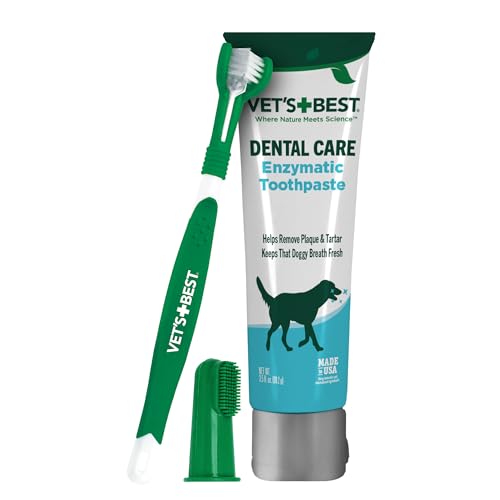
A pair of good nail clippers or a grinder, a dog-specific ear cleaner, and a dog toothbrush with dog-safe toothpaste round out a sensible basic kit, grooming is about more than just the coat.
A simple way to decide
If you're not sure what your dog's coat "type" technically is, watch what happens when you don't brush for a week. If loose fur builds up but nothing tangles, you're dealing with a shedding coat, prioritise an undercoat rake. If small knots start forming, you're dealing with a tangling coat, prioritise a slicker brush and comb, and increase frequency rather than switching tools entirely.
Looking after the tools themselves
Clean brushes and combs regularly by pulling out trapped hair and wiping down the pins or bristles, a clogged tool works far less effectively and can be uncomfortable for your dog to use. Cheap tools are usually fine to start with; it's worth spending more once you know exactly what your dog's coat needs long-term.