



Rule out a medical cause first
Before treating this as a bowl-sizing problem, a dog suddenly or consistently draining water far faster than before is a classic early sign of several medical conditions, including kidney issues, diabetes, and hormonal disorders, increased thirst is one of the more reliable early warning signs vets look for. If this is a new pattern rather than how the dog has always behaved, or it's paired with more frequent urination, weight changes, or lethargy, a vet visit should come before any equipment change.
When it really is just a capacity problem
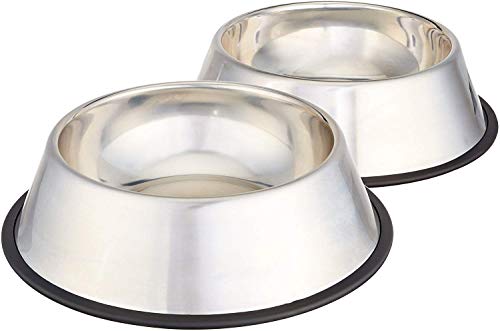
If a dog has always drunk a lot relative to bowl size, larger breeds, very active dogs, or dogs in hot climates genuinely need more water available at once, then a bowl that's simply too small for their normal intake is a reasonable, non-medical explanation. In that case, the fix is straightforward: a bigger bowl, or a large-capacity water dispenser, means fewer manual refills without changing anything about how the dog drinks.
Bigger bowl vs fountain, different problems, different fixes
A larger static bowl solves a volume problem: the dog drinks a normal amount, but that amount empties a small bowl quickly. Simply upsizing the bowl, or switching to a gravity-fed dispenser with a multi-litre reservoir, addresses this directly without adding moving parts. A fountain, on the other hand, is aimed at a different issue, encouraging a dog to drink more because moving, filtered water is more appealing than still water. If a dog already drinks plenty and the water is just disappearing fast because the container is small, a fountain doesn't add much over a straightforward capacity upsize; if the goal is getting a naturally low-drinking dog more interested in water, a fountain's appeal matters more than raw size.
Multi-dog households compound the problem
What looks like one dog draining a bowl unusually fast is sometimes actually two or more dogs sharing a single bowl sized for one. Separating water sources, or moving to a genuinely large shared dispenser, often resolves the "constantly empty" complaint without it being about any individual dog's thirst at all.
Environmental factors that increase water needs
Hot weather, increased exercise, a recent diet change (particularly a switch from wet to dry food, which removes a significant source of moisture the dog was previously getting through meals), and lactation in a nursing dog can all genuinely increase water intake without anything being medically wrong. These are worth ruling out mentally before assuming either a bowl problem or a health problem.
A sensible next step
If the increased thirst is new, sudden, or paired with other changes in behaviour or bathroom habits, see a vet first. If it's a longstanding pattern that simply outpaces bowl capacity, upsizing to a larger bowl or dispenser is the more direct fix, with a fountain reserved for dogs who need encouragement to drink rather than dogs who are already drinking plenty from too small a container.