



Why bowl material actually matters
It's tempting to treat a dog bowl as an interchangeable commodity, but material affects hygiene, durability, and even skin health around a dog's mouth. The three common options, stainless steel, ceramic, and plastic, each have real trade-offs rather than one clear winner for every household.
Stainless steel, the low-maintenance default
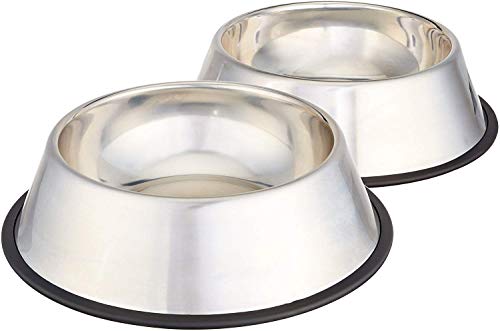
Stainless steel bowls are non-porous, which means bacteria and odours have nowhere to hide the way they can in scratched plastic. They're dishwasher-safe, don't chip like ceramic, and are light enough to be practical for travel. The main downsides are that they can be noisy on hard floors (a rubber-bottomed version solves this), can tip over more easily if a dog eats vigorously, and get uncomfortably cold or hot if left outdoors in extreme weather. For most households, stainless steel is the safest general-purpose choice.
Ceramic, heavy, attractive, but fragile
Ceramic bowls are non-porous when properly glazed, sit heavily enough that they rarely slide or tip, and come in styles that fit a kitchen's decor better than utilitarian steel. The trade-offs are real, though, ceramic chips and cracks with rough use, and a cracked glaze exposes porous material underneath that can harbour bacteria. Cheap or imported ceramic bowls have occasionally raised concerns about lead in glazes, so if ceramic is the preference, buying from a reputable pet-specific brand rather than a generic homeware piece is the safer route.
Plastic, convenient, but the material most linked to skin issues
Plastic bowls are the lightest and cheapest option, but they scratch easily with normal chewing and cleaning, and those micro-scratches become permanent homes for bacteria that washing alone doesn't fully remove. Plastic is also the material most commonly associated with dog chin acne (sometimes called plastic dish nasal dermatitis), discussed in more detail below. Some plastics can leach compounds over time as they degrade, which is another reason plastic bowls are generally the first thing recommended for replacement if a dog develops unexplained skin irritation around the muzzle.
Does plastic really cause chin acne?
There's a well-documented pattern where dogs, particularly short-coated breeds like Boxers, Bulldogs, and Dobermans, develop blackheads, pustules, or inflamed bumps on the chin and lower lip after prolonged contact with plastic bowls. The leading theory is that bacteria colonising the scratched plastic surface irritates hair follicles on contact, rather than an allergic reaction to the plastic itself. Switching to stainless steel or ceramic is the first and most common recommendation from vets when this pattern shows up, alongside daily cleaning. If chin bumps don't improve within a few weeks of switching bowls and improving hygiene, that's worth a proper vet visit rather than assuming it's bowl-related.
Making the call
For most owners, stainless steel is the practical, low-risk default. Ceramic suits households that want something heavier and more decorative and are willing to handle it carefully. Plastic is worth avoiding for any dog already prone to chin irritation, and is generally the weakest long-term choice on hygiene grounds even for dogs that have shown no issues so far.