Bowl Materials & Sanitation for Dogs
Comprehensive technical analysis of material density, anatomical weight distribution, Indentation Load Deflection (ILD) thresholds, and veterinary standards for bowl materials & sanitation.


Recommended Products
See the full ranking →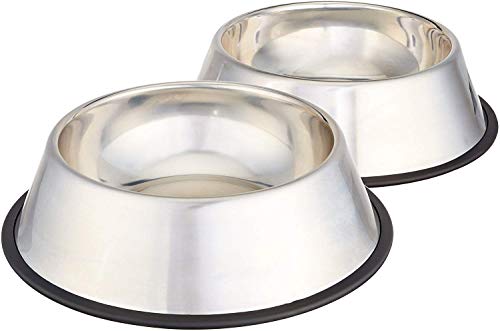
Most dog owners think about food first and the bowl second, if at all. But the bowl is the one piece of feeding equipment that touches every single meal and every drink of water, every day, for years. A bowl made from the wrong material or left unwashed for too long isn't a minor detail; it's a surface your dog's mouth contacts multiple times a day. Material and sanitation are the two things that actually matter here, and neither gets the attention it deserves.
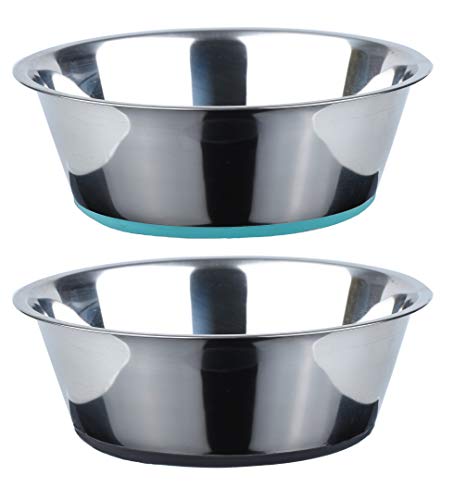
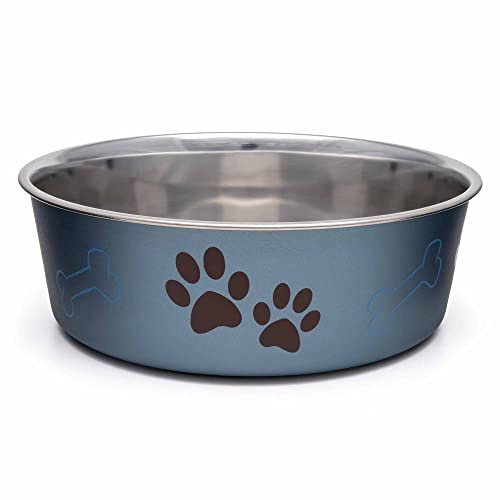
Stainless steel is the material we'd point most owners toward, and not because it's trendy. It's non-porous, which means bacteria, food residue, and odors can't work their way into the surface the way they can with plastic or an unglazed ceramic edge. It doesn't hold onto smells between washes, it survives the dishwasher without degrading, and it doesn't scratch the way plastic does, scratches matter because they create tiny grooves where bacteria can hide even after a wash. The one real weak point on most steel bowls isn't the steel itself, it's the rubber non-skid ring glued to the base. Those rings are the first thing to peel, curl, or come loose after months of dishwasher cycles, and a peeling ring is worth replacing the bowl over, since the adhesive underneath isn't something you want your dog eating around.
Ceramic bowls have a real advantage: weight. A heavy ceramic bowl won't slide across the floor or get flipped by an enthusiastic eater the way a light plastic or thin steel bowl can. But ceramic comes with a condition that's easy to overlook, the glaze. A ceramic bowl is only as food-safe as its glaze, and that glaze needs to be explicitly labeled lead-free and food-safe, not just assumed safe because it's a pet product. Chips are the other issue. Once a ceramic bowl chips, the exposed, unglazed material underneath is porous and can't be sanitized properly the way an intact glazed surface can, at that point, it needs to be retired, not kept in rotation because it still technically holds food. We didn't find a ceramic bowl in this specific research pool that met our bar for verified ratings and a genuinely food-safe glaze claim, which is itself useful information: it's a smaller, more inconsistent category than stainless steel, and it pays to check glaze certification directly on the product listing rather than assume it.
Plastic bowls are the cheapest option on the shelf, and that's really their only advantage. Plastic scratches easily, even from normal use with a spoon or a dog's own teeth and claws, and those scratches are exactly the kind of micro-grooves that trap bacteria and food residue in a way a wash cycle often can't fully reach. There's also a well-known, if not fully proven, connection between plastic bowls and what's commonly called "dog chin acne", the theory is that bacteria buildup in scratched plastic surfaces irritates the skin around a dog's muzzle and chin during eating and drinking. It hasn't been established as a hard causal link by controlled research, but enough vets and groomers report the acne clearing up after switching a dog off plastic bowls that it's a pattern worth taking seriously. Combined with the scratching and bacteria-retention issue, plastic is the material we'd recommend skipping for a primary daily-use bowl.
Even the best material doesn't solve the sanitation problem on its own. Dog bowls, food and water both, grow a biofilm, a thin, often invisible layer of bacteria and saliva residue, if they aren't washed regularly. Studies on pet bowl hygiene have repeatedly found bacterial counts on unwashed bowls comparable to or worse than a bathroom surface, which sounds dramatic but tracks with how often the average bowl actually gets washed: not daily, and sometimes not even weekly. The fix is unglamorous but simple, food bowls should be washed after every meal or at minimum once a day, and water bowls should be emptied, rinsed, and refilled daily even if they still look clean, because biofilm builds up well before the water looks visibly dirty. This is where material choice compounds: a stainless steel bowl that's actually washed daily will stay cleaner over its lifetime than a ceramic or ridged plastic bowl that's only rinsed occasionally, because the steel surface has nowhere for residue to hide between washes.
Elevated or raised feeders solve a specific set of problems rather than being a universal upgrade. For small dogs, senior dogs, or dogs with neck or joint discomfort, raising the bowl off the floor can genuinely ease strain during eating and drinking. Some elevated designs go further and add a catch basin under the bowls to contain spills and drips, which matters a lot for sloppy drinkers and is a meaningfully different feature from a stand that just raises the dish a few inches with no mess control at all. The caveat worth knowing: elevated feeding has been debated among veterinarians as a possible risk factor for bloat (gastric dilatation-volvulus) in large, deep-chested breeds specifically. The research on this isn't fully settled, but if you have a large, deep-chested dog, it's worth a quick conversation with your vet before switching to an elevated setup, rather than assuming height is automatically better.
Stainless steel is the best all-round material for daily use, non-porous, dishwasher-safe, and it doesn't hold onto odor or bacteria the way plastic and damaged ceramic can. Ceramic can work well if the glaze is verified food-safe and lead-free and the bowl is retired the moment it chips. Plastic is the one to actively avoid for a primary bowl. And no material replaces the basics: wash food bowls daily, refresh water bowls daily, and treat the bowl itself as part of your dog's health routine, not an afterthought.
Go Deeper
Detailed companion guides for bowl materials & sanitation.
Stainless Steel vs Ceramic vs Plastic Dog Bowls, Safety & Durability Compared
A material-by-material breakdown of stainless steel, ceramic, and plastic dog bowls covering bacteria retention, scratching, lead-glaze safety, the…
How to Clean & Sanitize Dog Bowls (and How Often You Actually Need To)
A practical guide to washing and sanitizing food and water bowls, covering daily biofilm buildup, dishwasher vs hand-washing, why water bowls need attention…