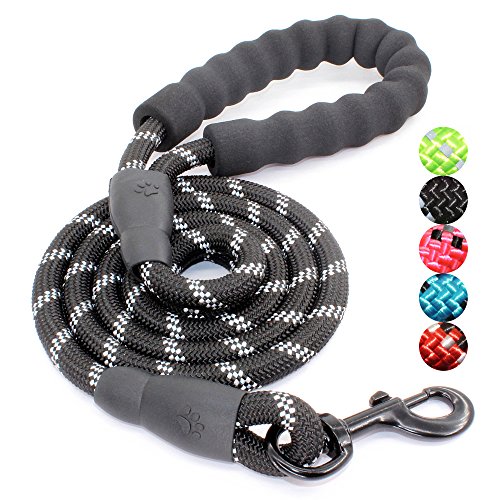



What a long-line is actually for
A long-line fills the gap between a standard leash and true off-leash freedom. It lets a dog move further away, sniff at their own pace, and make more of their own decisions about where to go, while you retain a physical connection you can use if they get too close to something they shouldn't. This makes it a genuinely useful tool for two very different goals: giving an under-exercised or anxious dog a mentally enriching "decompression" walk, and practising recall training in a setting with real distance and real distractions, which a 6-foot leash simply can't offer.
Choosing the right line and attachment point
Biothane long-lines are popular because they don't absorb mud and water the way cotton or nylon does, which keeps them from turning into a heavy, dirty rope by the end of a walk. Length is a personal choice depending on the space you have, 15 feet is manageable for most yards and smaller parks, while 30 feet needs a genuinely open oval or field to avoid constant tangling. Clip the long-line to a harness rather than a flat collar; if your dog hits the end of the line at a run, that sudden stop is far safer distributed across the chest and shoulders than concentrated on the neck.
Picking the right space
The single biggest mistake with long-lines is using them somewhere too busy. A 20-foot line dragging near a footpath, playground, or another dog owner is a tripping hazard for everyone involved and can wrap around ankles, poles, or other dogs in seconds. Save the long-line for wide open spaces, a large fenced oval, a quiet beach, or open bushland with good visibility, where you can see other people and dogs coming from a distance and gather the line in before it becomes a problem.
Handling the line safely
Never wrap a long-line around your hand or wrist, if your dog bolts unexpectedly, a line under tension can cause serious rope burn or even pull you off balance. Instead, gather slack loosely in your hand as your dog moves closer, and let it feed out through a loose fist as they move away, similar to how a sailor manages a rope. Lightweight gloves help if you're working with a strong dog or a line that tends to burn on a fast pay-out. Keep an eye on the end of the line at all times so you're never caught by surprise when it runs out.
Using it for recall practice
Long-line recall training works by calling your dog from a distance they can't yet be trusted at off-leash, rewarding heavily when they come, and using gentle tension only as a backup if they get distracted rather than as the main way you bring them in. Over time, as recall gets more reliable in low-distraction settings, you gradually add distance and distraction before ever considering off-leash freedom, and for many dogs and many environments, especially near roads or wildlife, the long-line stays the safer permanent choice rather than a stepping stone.