


Not really, they solve different problems
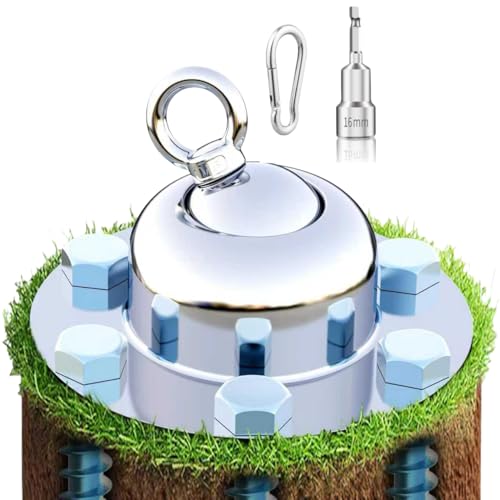
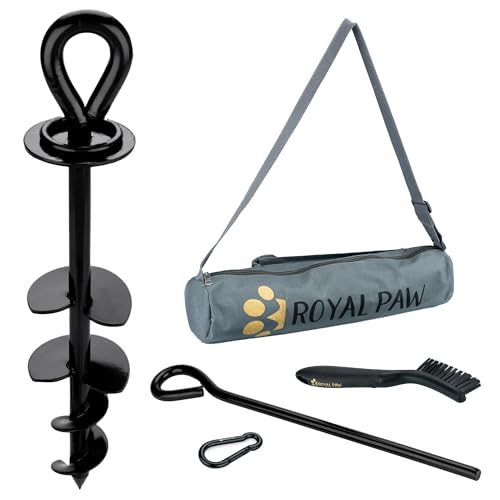
A tie-out and a fence solve the same basic need, letting a dog be outside without wandering off, but they're not equivalent, and a tie-out isn't a genuine substitute for either a fence or a portable exercise pen. A fence or playpen gives a dog a secure boundary they can move around freely within, with no line to tangle in and no risk of the anchor pulling loose. A tie-out restrains the dog directly to a point, which is a fundamentally different, and riskier, kind of containment.
Where a tie-out still has a place
That doesn't mean a tie-out is never useful. It can be a reasonable short-term option when you're travelling, staying somewhere without secure fencing, or need a quick supervised toilet break in an unfenced area. As a backyard's only containment method, day after day, it's a much weaker choice than fencing or a pen.
What a fence or playpen removes from the equation
A fenced yard or a properly set-up exercise pen removes the two biggest tie-out risks outright: there's no cable to wrap around a fixed point or the dog's own legs, and there's no anchor that can work loose and leave a dog dragging a line. A dog inside a secure boundary can also move away from something that startles them, rather than being stuck at the end of a line, which matters for both safety and the dog's stress levels.
Cost and effort are the real trade-off
The honest reason many owners default to a tie-out is that fencing a whole yard is expensive and a permanent exercise pen takes space and setup. A portable exercise pen is a middle option worth considering, it costs less than fencing, sets up and packs away easily, and still removes the tangling and anchor-failure risks of a tie-out. For a yard that will never be fully fenced, a pen is generally the safer long-term compromise over relying on a stake and cable.
Deciding what's right for your situation
If you can fence the yard, that's the strongest option for regular unsupervised, or lightly supervised, outdoor time. If fencing isn't realistic, a pen is the next-best containment method. Keep the tie-out for short, supervised, occasional use rather than treating it as your dog's main way of being outside.
Not everyone can fence a yard straight away, and that's a reasonable constraint rather than a failure. A practical middle path is to start with a portable exercise pen for daily outdoor time, use a tie-out only for the occasional session where the pen isn't practical, and treat full fencing as a longer-term goal if you own the property. This staged approach still cuts out most of the tangling and anchor-failure risk that comes with relying on a tie-out as the default.
Whatever you choose, the same underlying checks apply: is the boundary or anchor actually secure, is there shade and water available, and is someone genuinely supervising the dog rather than just able to hear them from inside. A fence with a gap a dog can squeeze through, or a pen that isn't pegged down, carries its own escape risk, containment method matters less than making sure whichever one you choose is set up properly and checked regularly.